
Most B2B products don't lose enterprise deals over missing features — they lose them over a permission model built for a ten-person team that never got revisited. This piece maps how "admin or member" quietly breaks at mid-market scale, what security reviews actually check, and a five-stage way to fix it before a stalled deal forces the question.

Your monitoring bill can grow faster than your traffic for reasons that never show up as usage: a single new metric label, a debug log level left on after an incident, a sampling rate nobody revisited. This piece breaks down the actual pricing mechanics behind Datadog, Grafana Cloud, New Relic, and Honeycomb, and lays out a lightweight review step that catches these decisions before the invoice does.
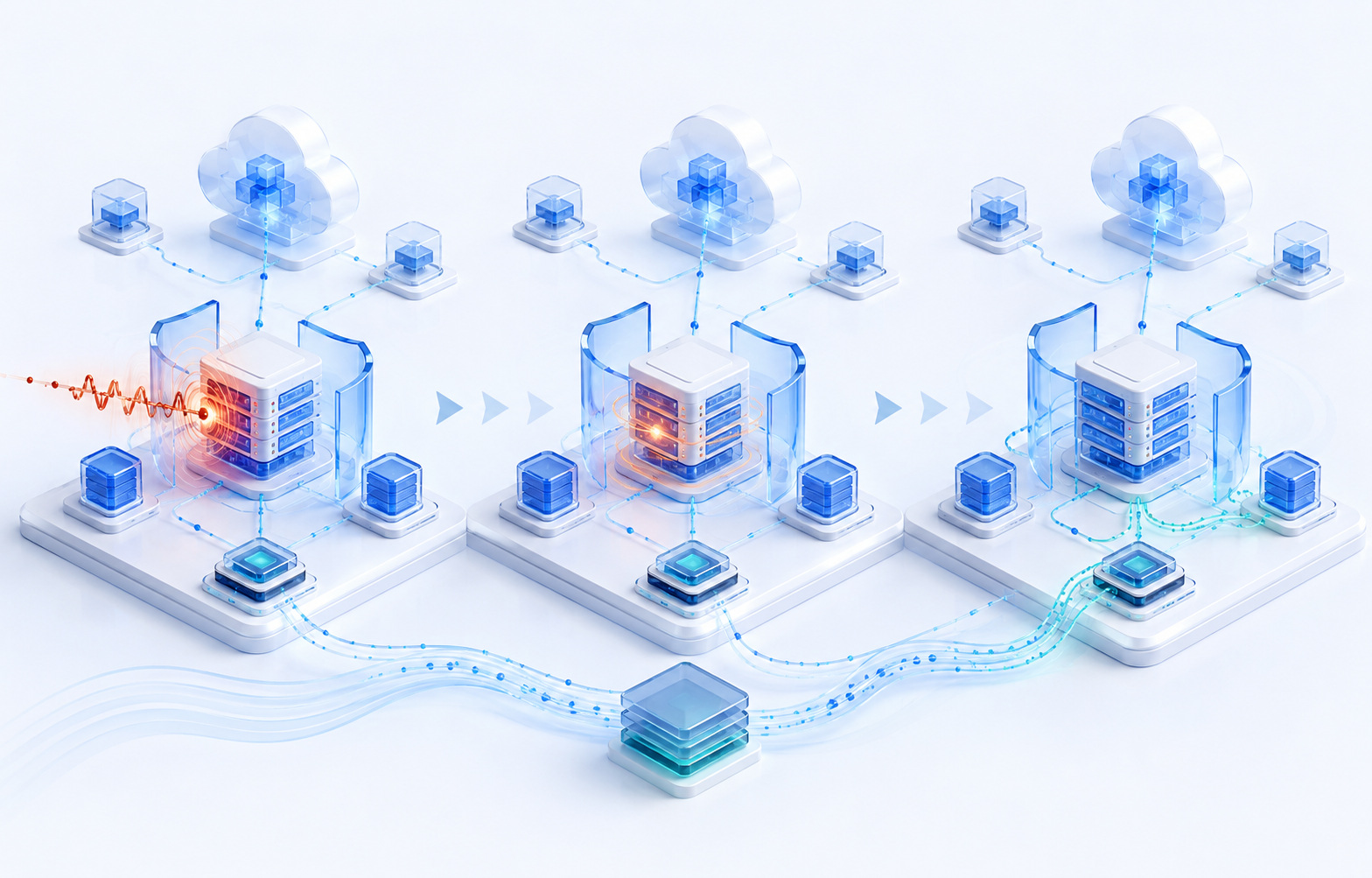
Most resilience mechanisms — fallback paths, retries, failover configs — are written once, reviewed once, and never watched actually working before production forces the question. This piece lays out a staged, architecture-specific way to test them deliberately: what to break first, what to leave alone until the organization is ready, who should approve it, and how the practice differs across a monolith, microservices, and serverless.

Three AI customization paths can produce identical demo output while carrying entirely different cost curves, staleness behavior, and vendor risk. This piece walks through a working framework — with a scoring instrument, real pricing math, and current vendor developments — for deciding which one actually survives your product's next eighteen months.
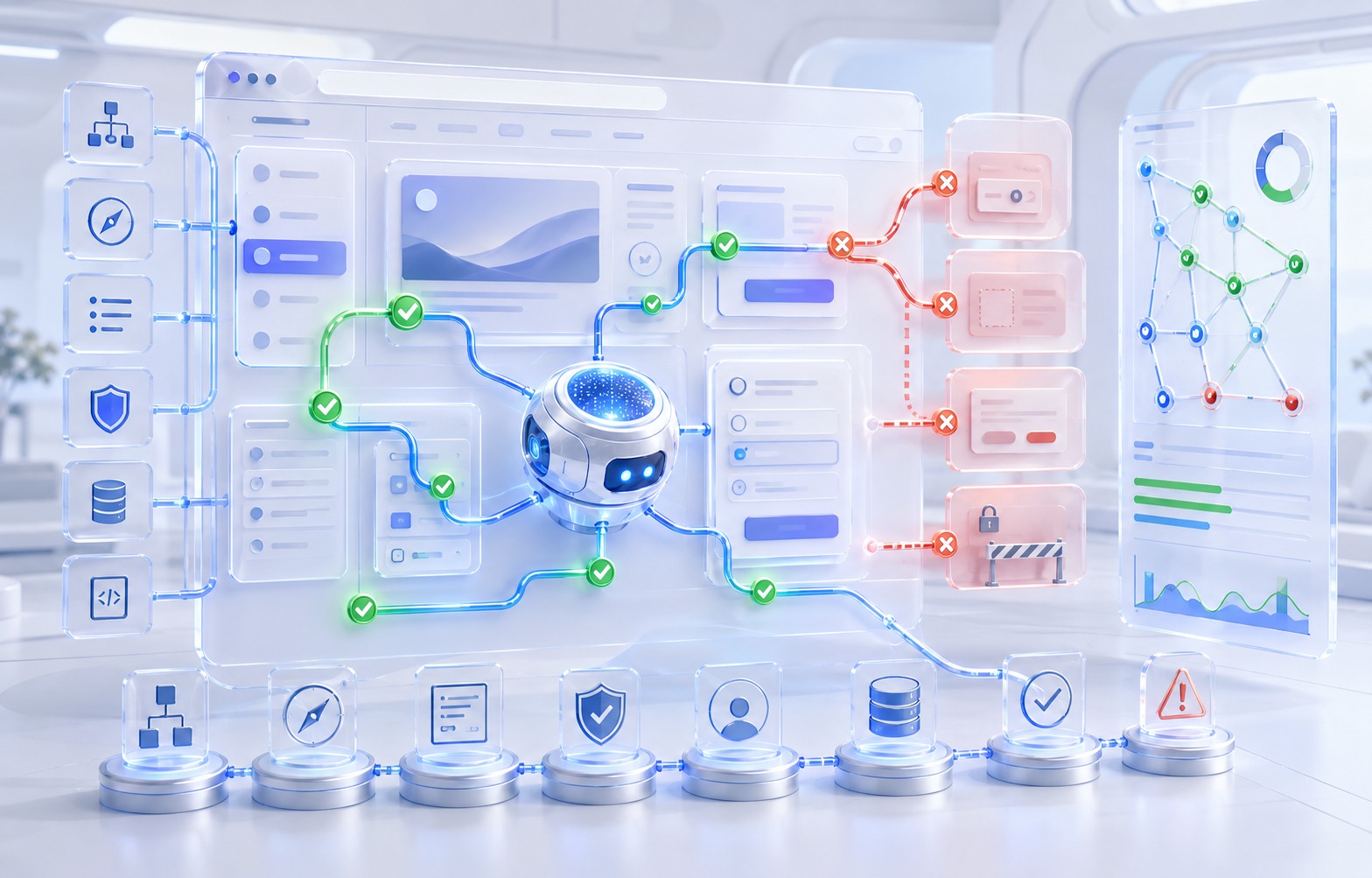
Checkout systems built for humans and bot filters built to catch scrapers now sit on either side of a traffic class neither was designed for: AI agents completing real tasks for real customers. This piece maps where that traffic quietly fails and offers a diagnostic framework for finding those failures before they cost conversions.

A quiet 2% gap between what your systems measured and what your invoices actually charged can mean six-figure revenue leakage or a public overcharge incident, and most companies won't know which until finance stumbles into it months later. This piece maps exactly where usage-based billing pipelines fail, with a concrete testing framework, a worked cost example, and two verified 2026 billing incidents most teams haven't connected to their own risk.

Most QA pipelines can prove your code works. Almost none can prove the open-source packages compiled into it are what they claim to be. This piece walks through the real incidents that exposed that gap, the open standards (SBOMs, SLSA, Sigstore) that close it, and a maturity model for turning provenance into a release gate rather than a one-time audit.

Your AI agent now calls dozens of MCP servers the way it once called REST APIs, but the interface contract is a paragraph of English a model interprets, not a schema a compiler enforces. Real disclosed vulnerabilities show what happens when nobody tests that gap. This piece maps the five failure modes and gives engineering leaders a concrete maturity model, risk matrix, and testing checklist to close it.
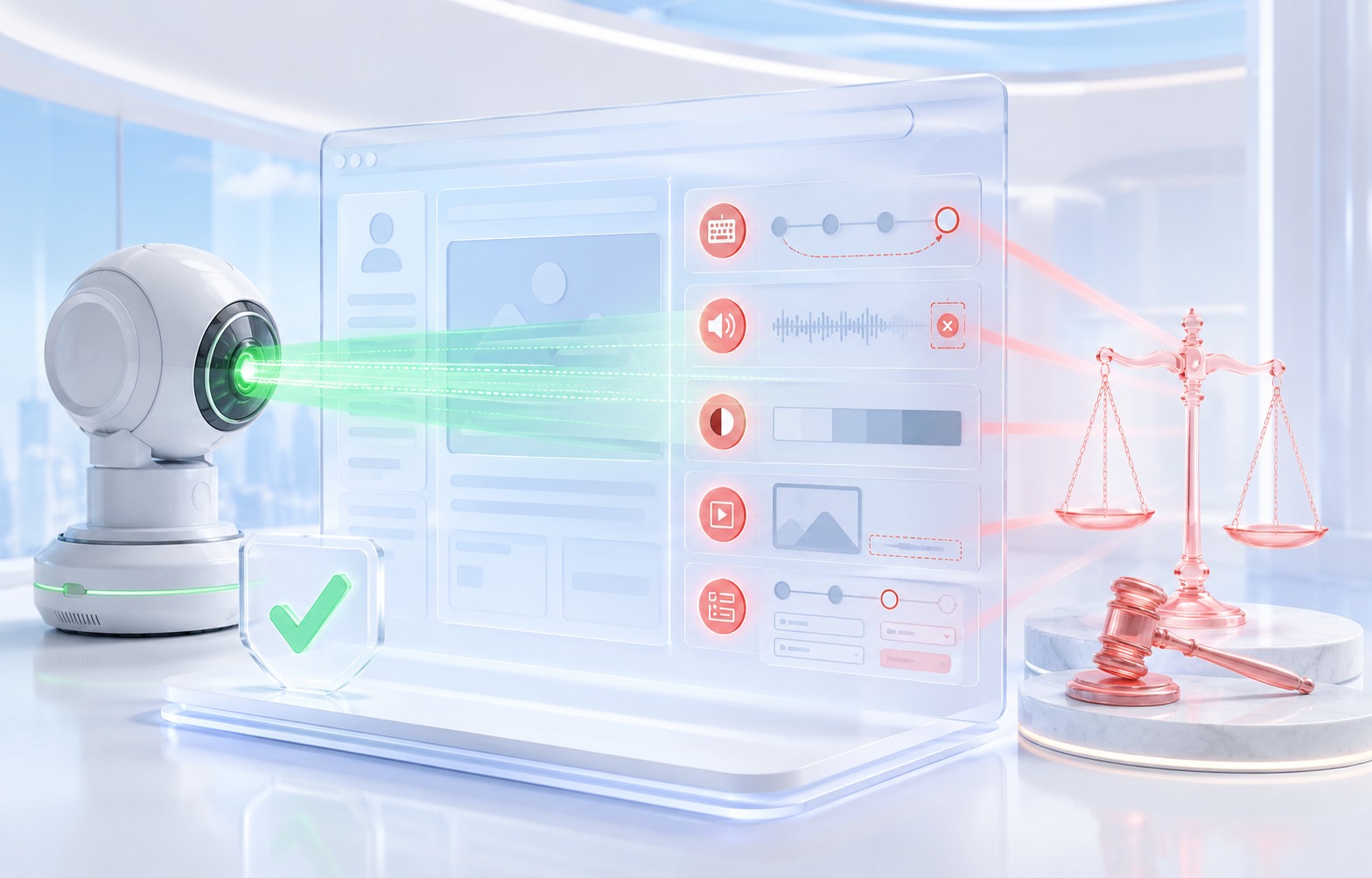
A clean automated scan and a legally defensible product are not the same thing. This piece maps exactly what accessibility scanners cannot detect, what US and EU enforcement now actually evaluate, and the layered testing and documentation practice that closes the gap between the two.

Sales picks the uptime number. Engineering finds out after the contract is signed. This article shows how to price an SLA against real incident data instead of a competitor's page, with a worked example of what a breach actually costs and how much headroom your promise needs.

A ticket that only describes the happy path isn't a QA problem waiting to happen, it's a decision nobody made yet. This piece separates real testing failures from requirements failures with a diagnostic framework, a testable-acceptance-criteria comparison, and a Definition of Ready checklist product and engineering teams can adopt directly.

A pipeline can finish successfully and still be wrong. This piece maps the silent failure modes behind bad metrics, billing errors, and corrupted ML features, then walks through contract testing, reconciliation checks, and a maturity model for treating data pipelines with the same rigor as production code.