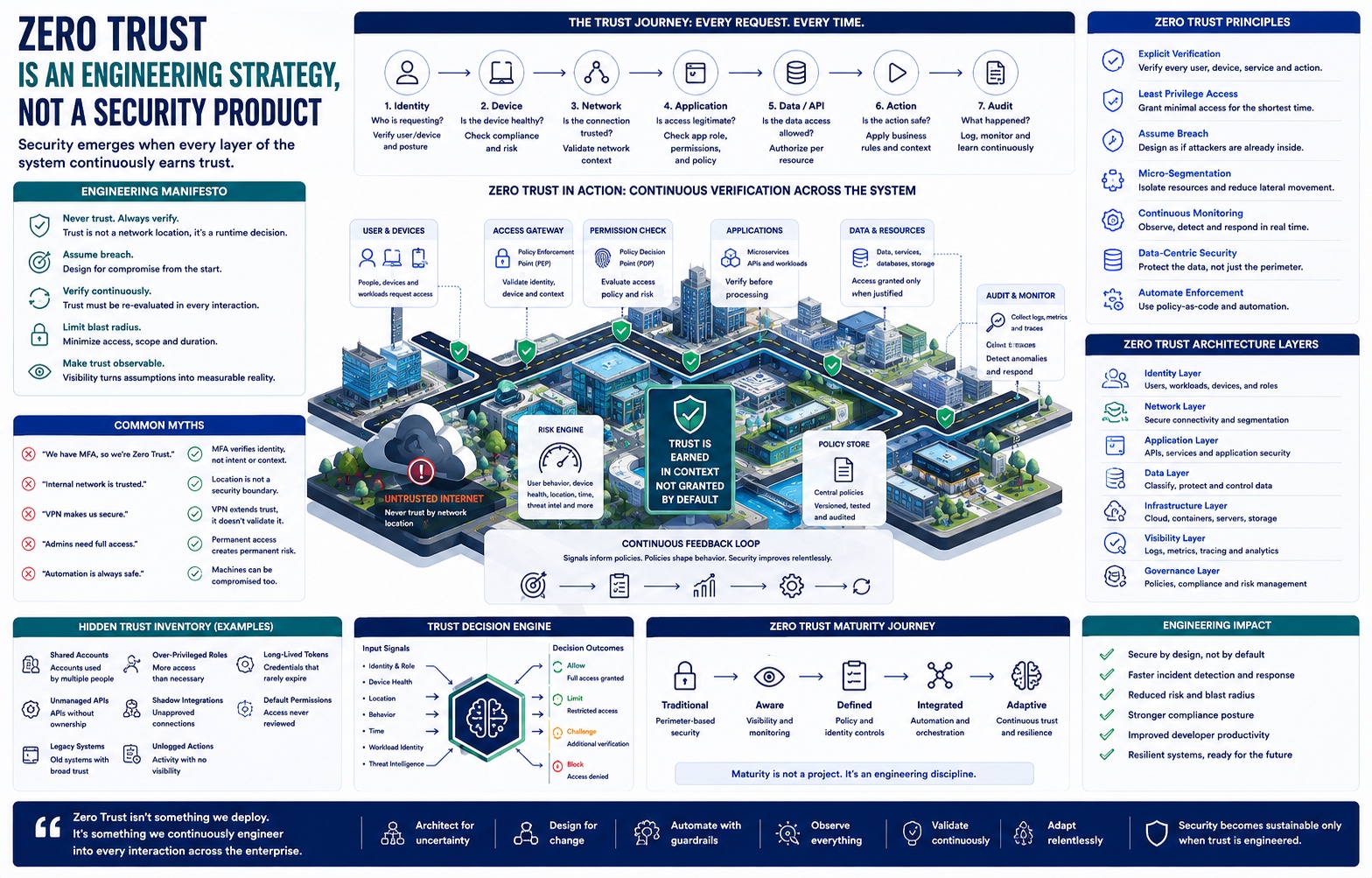
Most organizations associate Zero Trust with identity platforms, authentication, or network security. In reality, lasting security emerges from engineering systems that continuously validate trust across software, infrastructure, automation, APIs, workflows, and business processes. This guide explores how modern organizations can build security as an architectural capability rather than a collection of security tools.
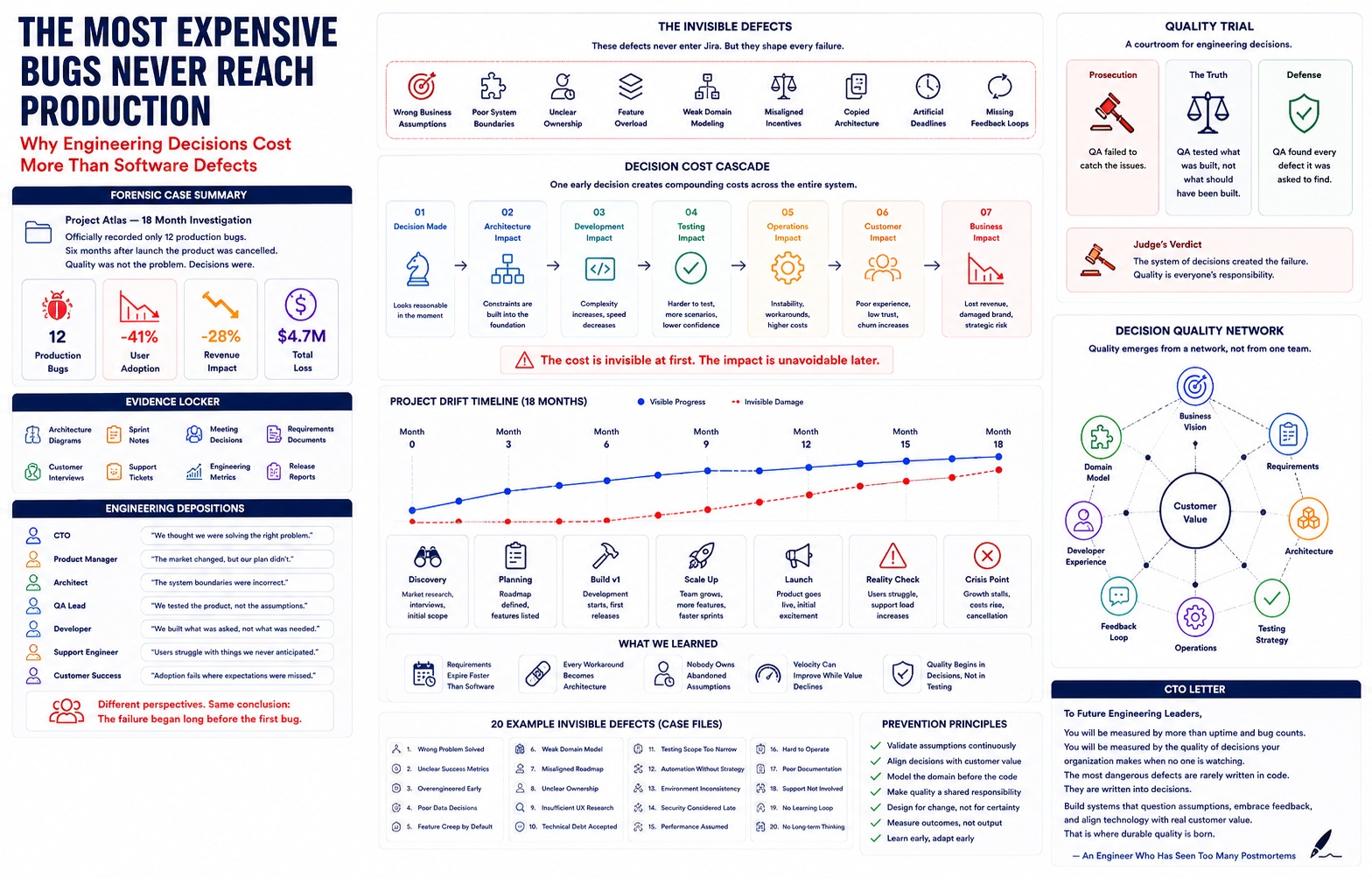
Most engineering teams measure quality by the number of bugs they fix, yet many costly failures originate long before development begins. This engineering investigation explores how architecture, product strategy, requirements, ownership, and business decisions silently shape software quality—and why preventing invisible defects is more valuable than fixing visible ones.
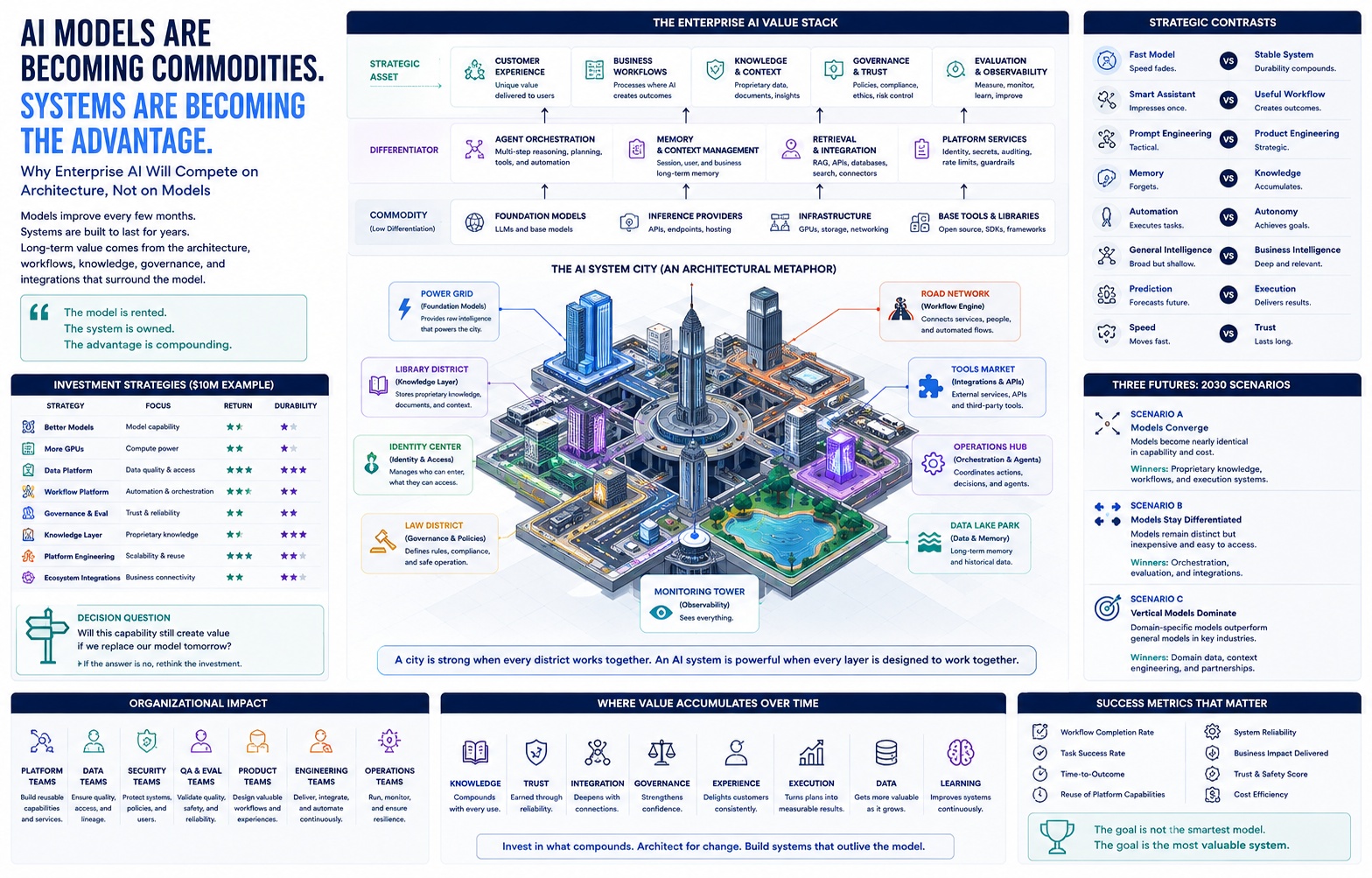
The conversation around enterprise AI often focuses on choosing the best model, but lasting competitive advantage is rarely created by the model alone. This strategy paper explores why architecture, workflows, knowledge, governance, integrations, and operational design are becoming the true differentiators as AI models evolve into interchangeable infrastructure.
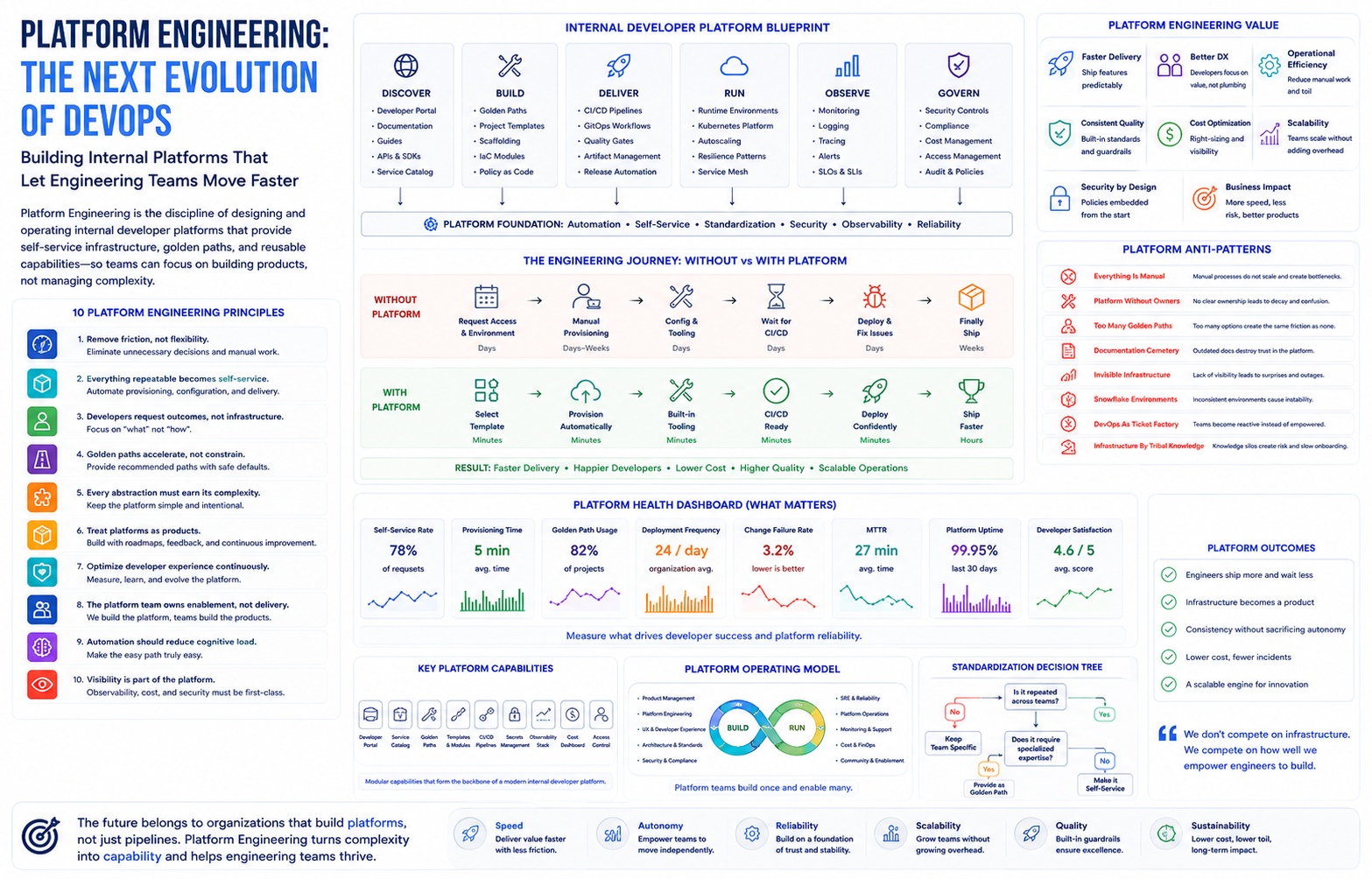
As engineering organizations grow, infrastructure often becomes more complex while developer productivity declines. This article explores how Platform Engineering, Internal Developer Platforms, and self-service workflows help teams reduce operational friction, standardize delivery, and create an engineering environment that scales with the business instead of slowing it down.
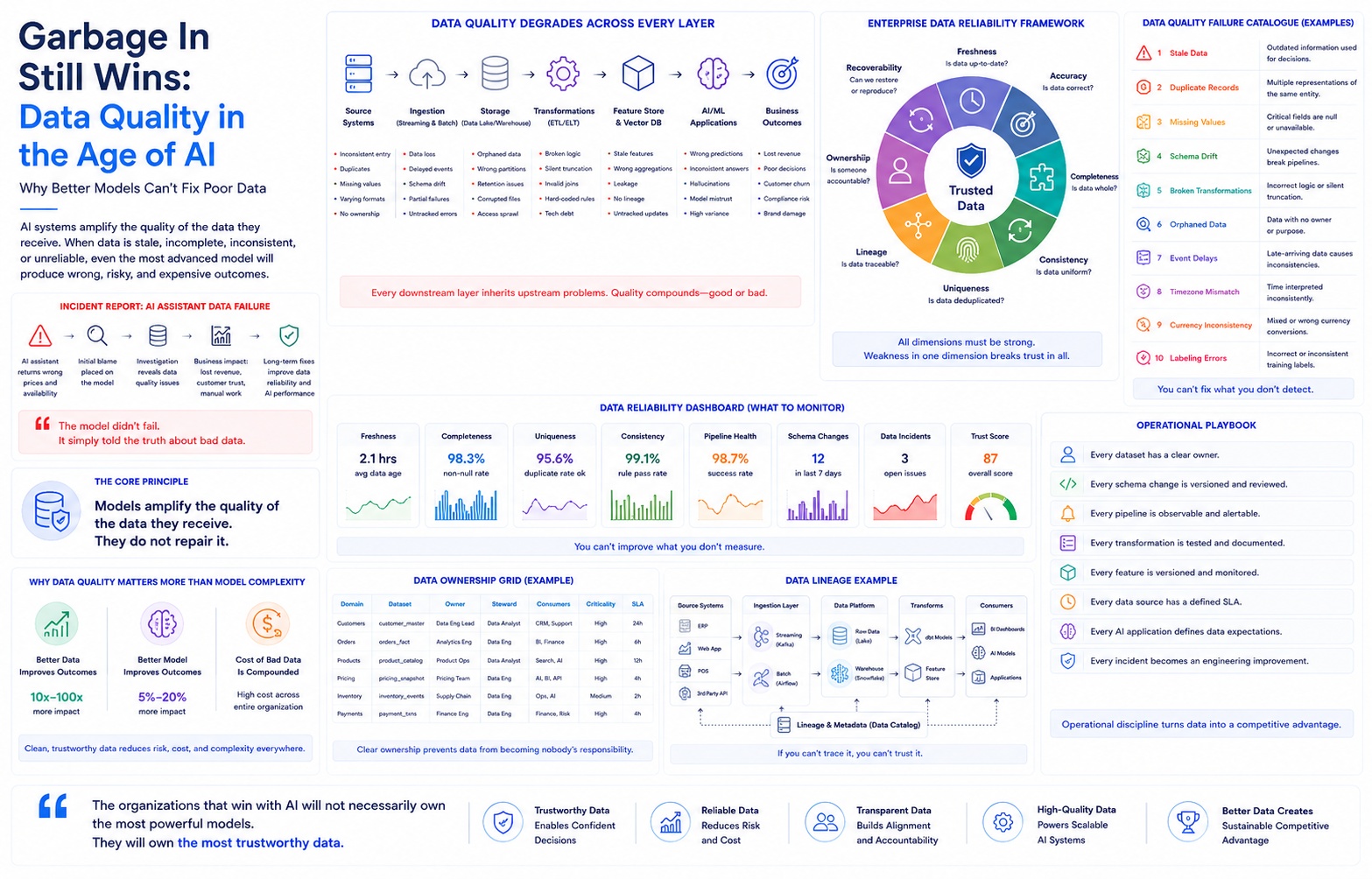
AI models continue to improve at an extraordinary pace, yet many enterprise projects still struggle to deliver reliable outcomes. This engineering investigation explores why data freshness, ownership, observability, lineage, and governance often have a greater impact on AI performance than choosing the latest model—and how organizations can build data platforms that deserve the trust placed in them.
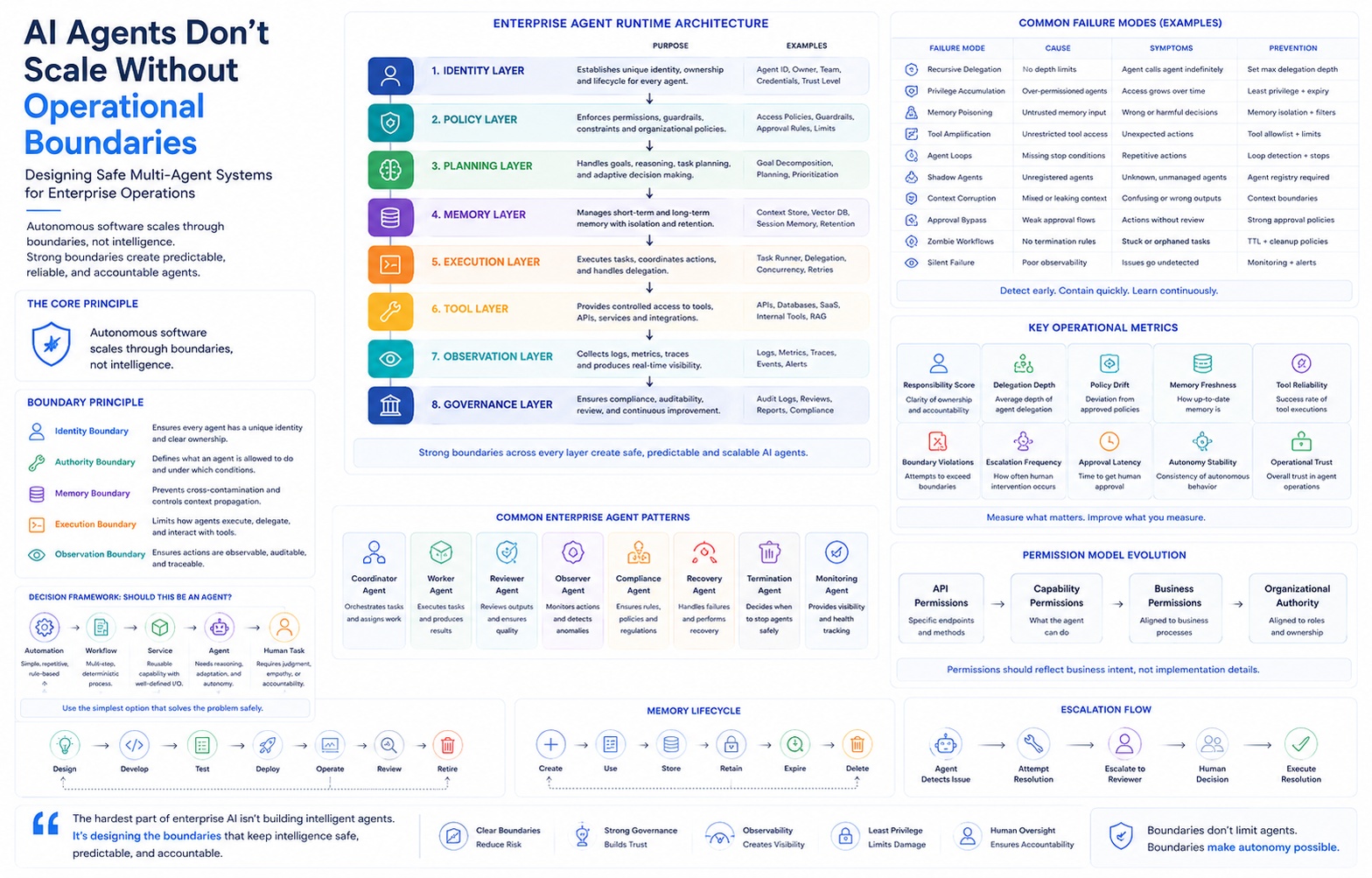
Enterprise AI rarely fails because models become less intelligent—it fails because autonomous agents outgrow the operational boundaries designed to control them. This engineering playbook explores how identity, permissions, memory, delegation, governance, and observability shape reliable multi-agent systems that remain predictable as they scale.
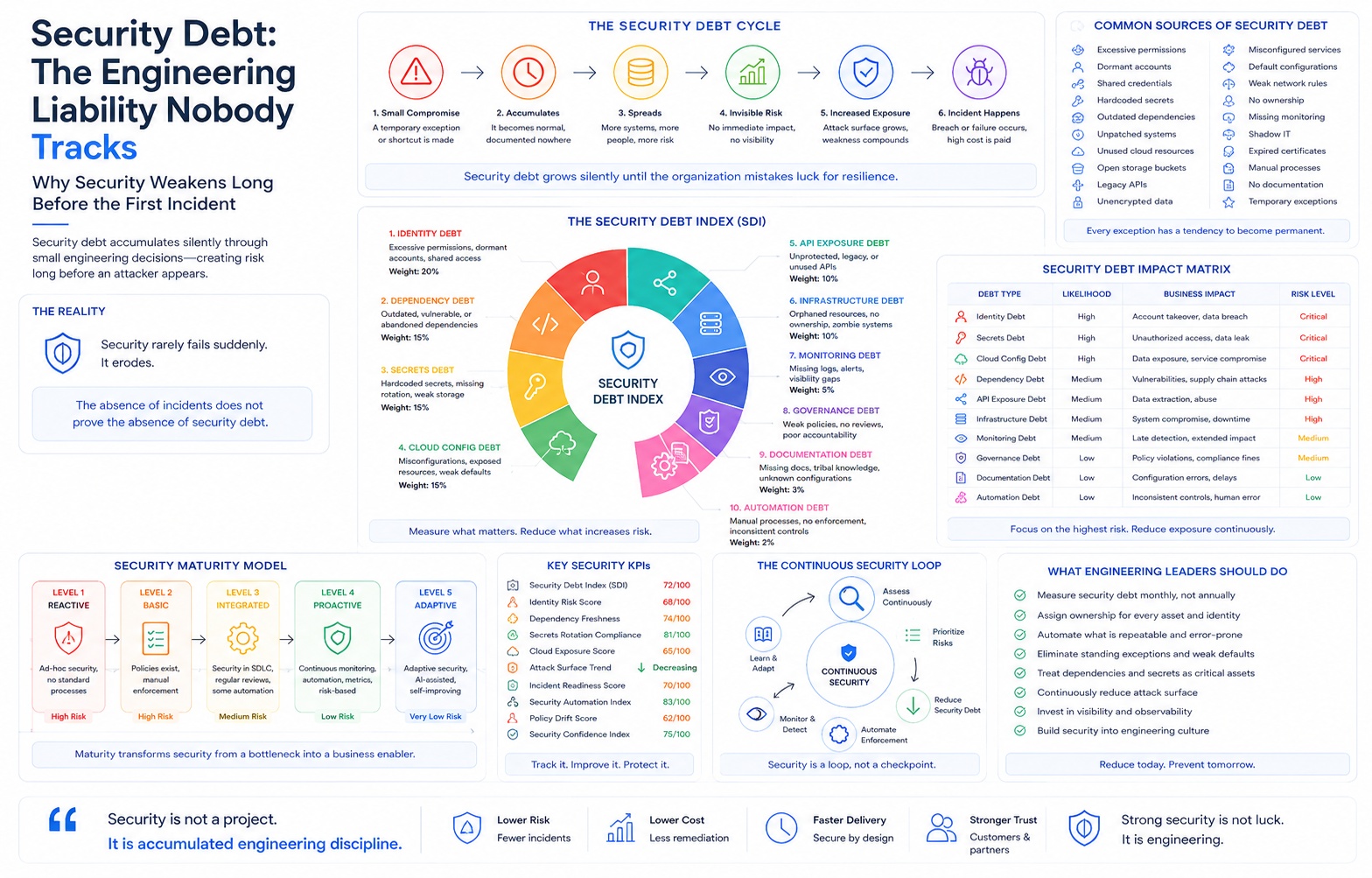
Most organizations monitor vulnerabilities, incidents, and compliance—but very few measure the gradual accumulation of Security Debt. This article introduces the Security Debt Index, explaining how identity, dependencies, cloud configurations, APIs, secrets, and infrastructure silently increase risk long before a breach occurs.
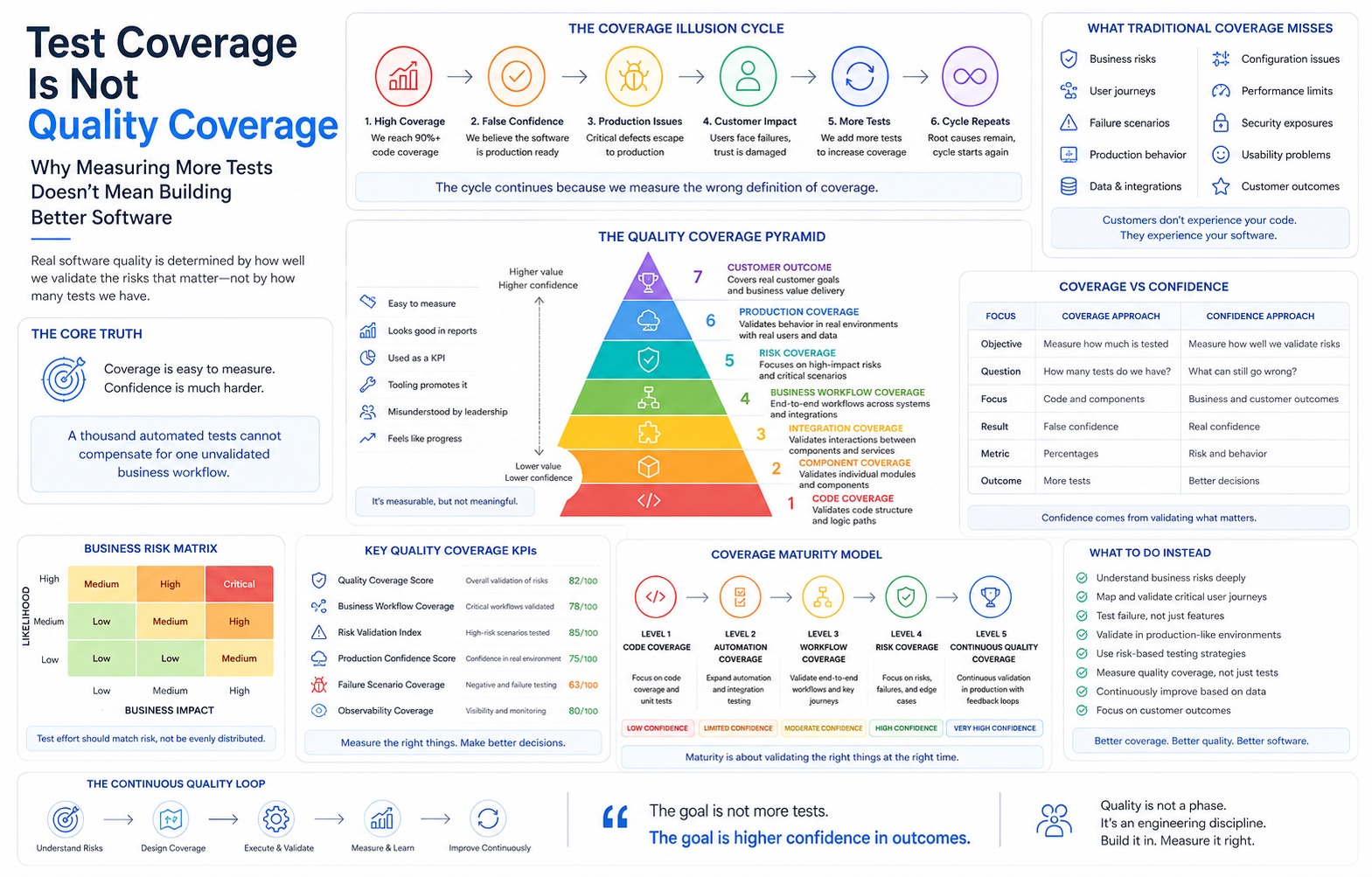
High code coverage and thousands of automated tests often create a false sense of confidence. This article introduces the concept of Quality Coverage, explaining why engineering teams should prioritize business risk, customer journeys, production validation, and system behavior over traditional testing metrics.
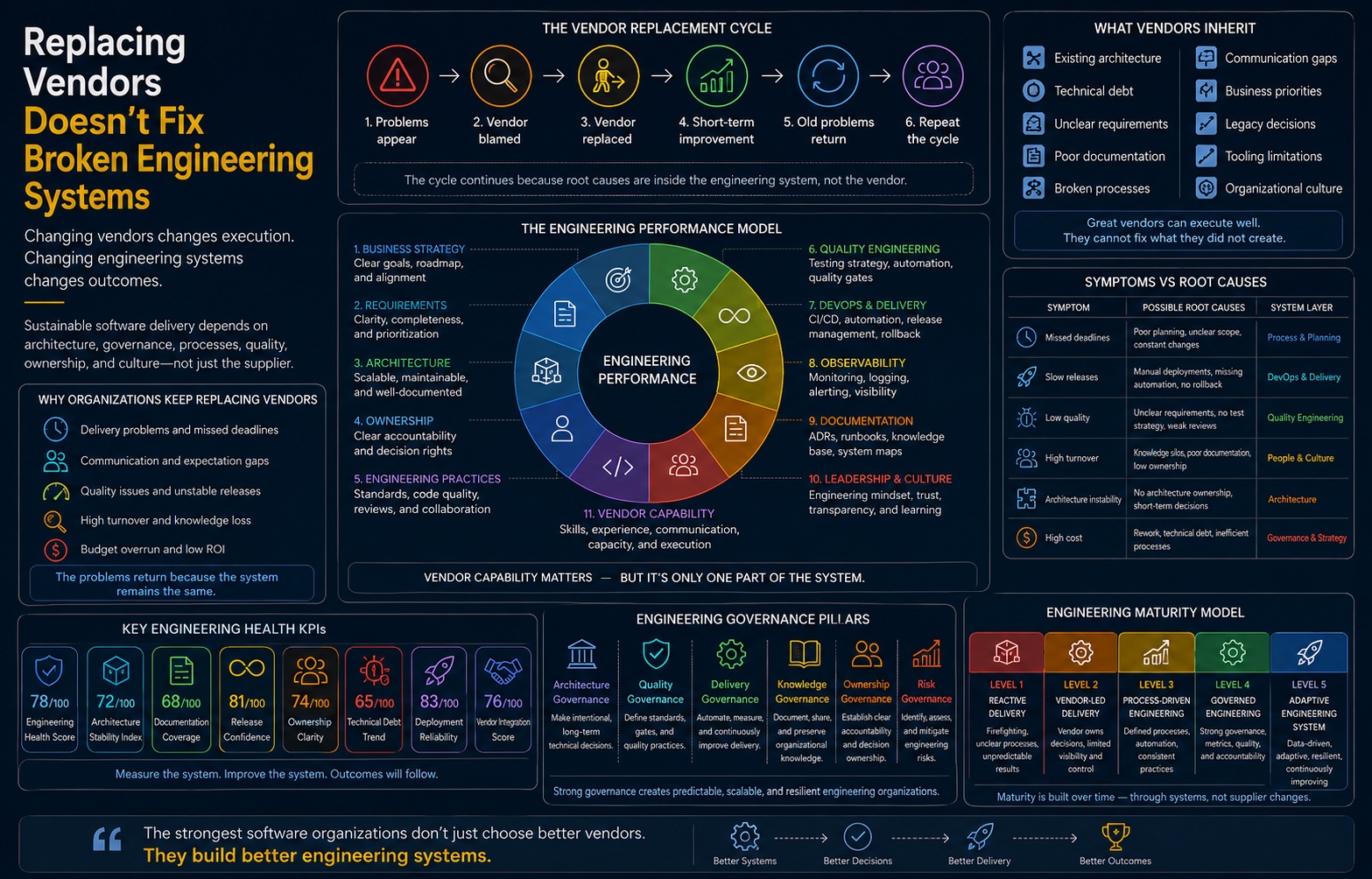
Replacing an engineering vendor can improve delivery, communication, or technical expertise—but it rarely fixes architecture, governance, documentation, or engineering processes. This article explores why sustainable software delivery depends on building resilient engineering systems rather than relying solely on supplier changes.
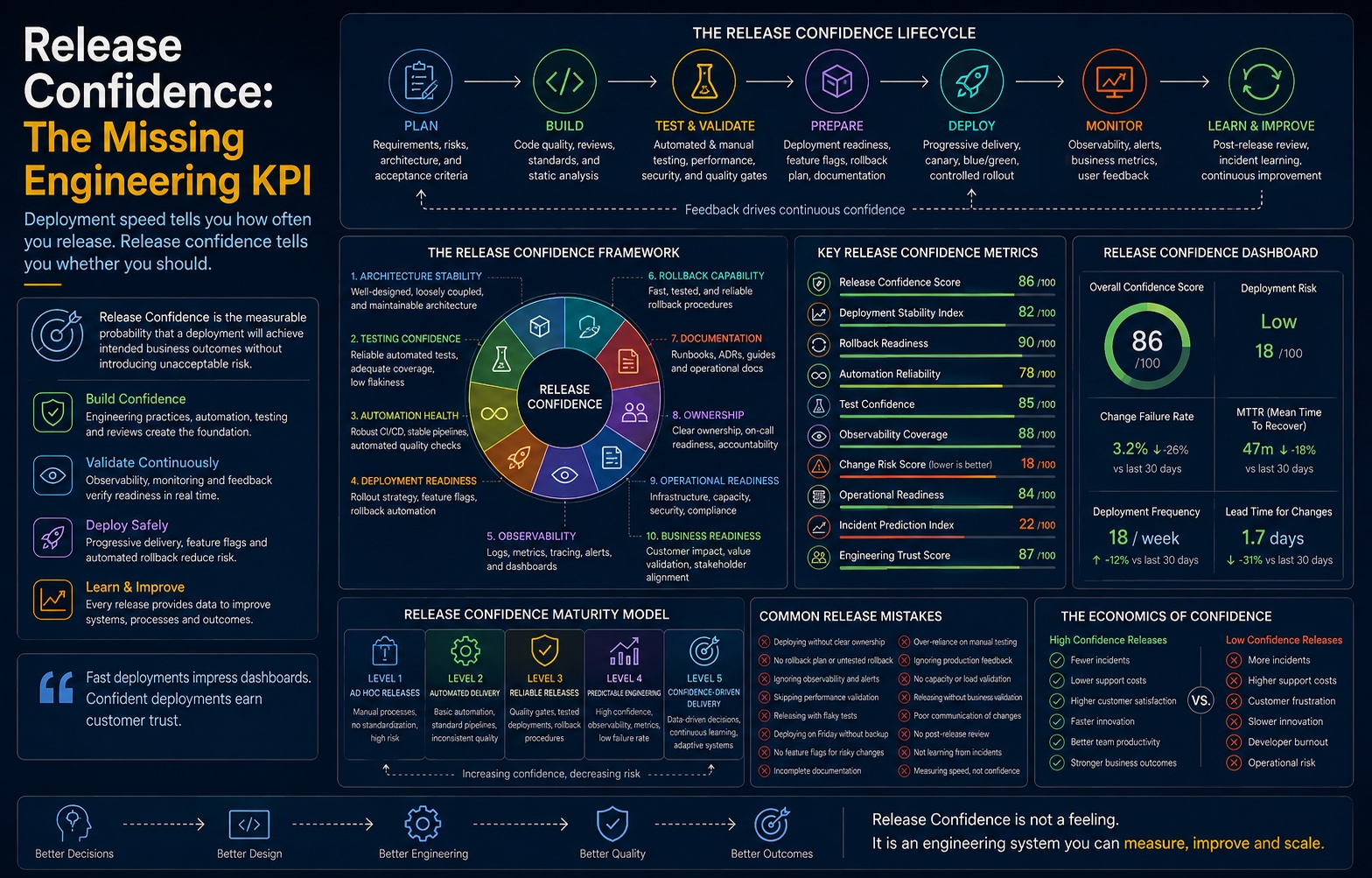
Modern engineering teams deploy faster than ever, yet many still struggle with failed releases, emergency rollbacks, and unpredictable production behavior. This article introduces Release Confidence as a missing engineering KPI and explores how architecture, testing, automation, observability, and operational readiness combine to make software releases truly reliable.
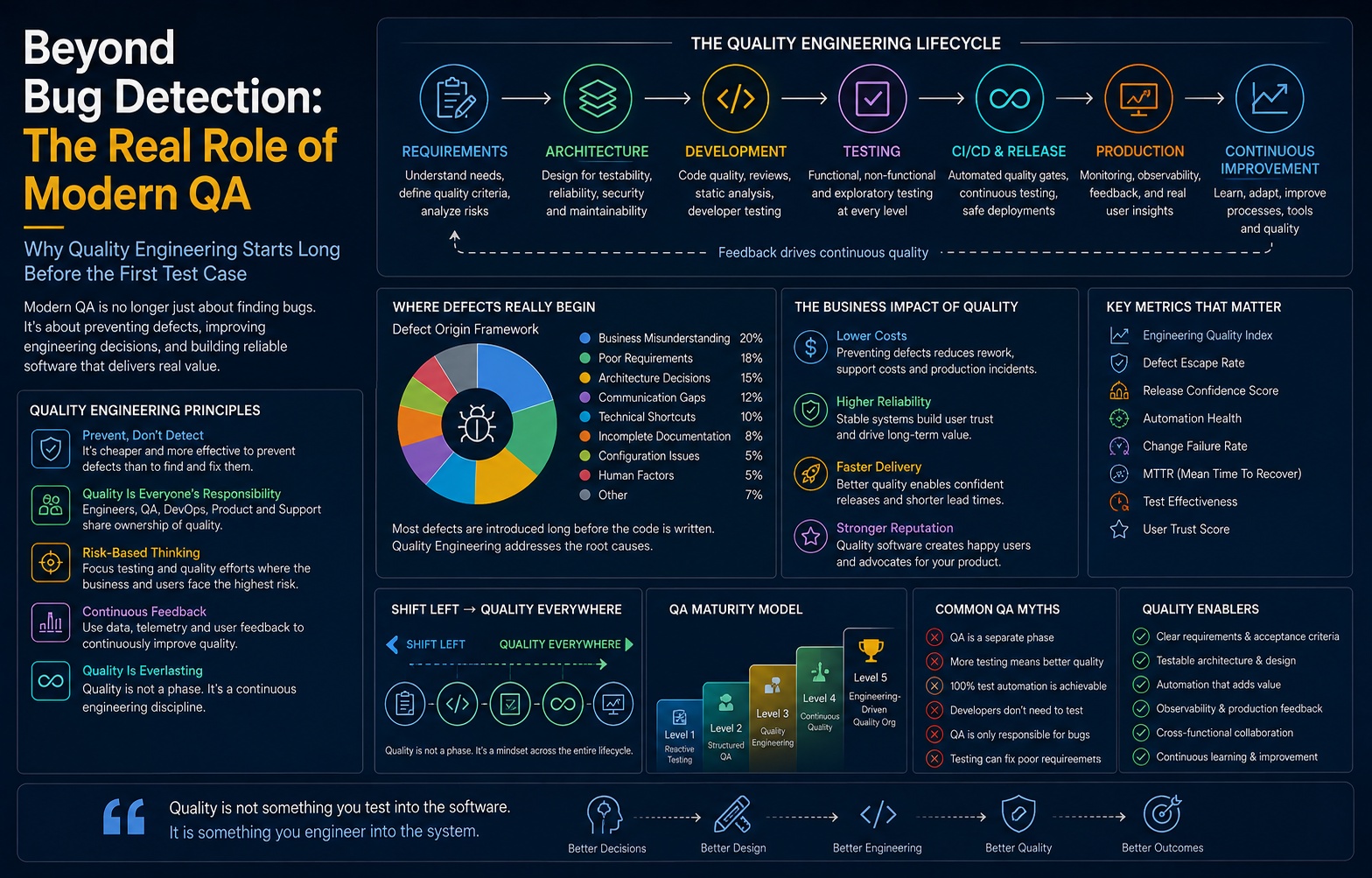
Quality isn't created during testing—it is built into every engineering decision. This guide explores how modern Quality Engineering extends beyond bug detection to influence requirements, architecture, development, deployment, AI systems, and continuous improvement across the entire software lifecycle.
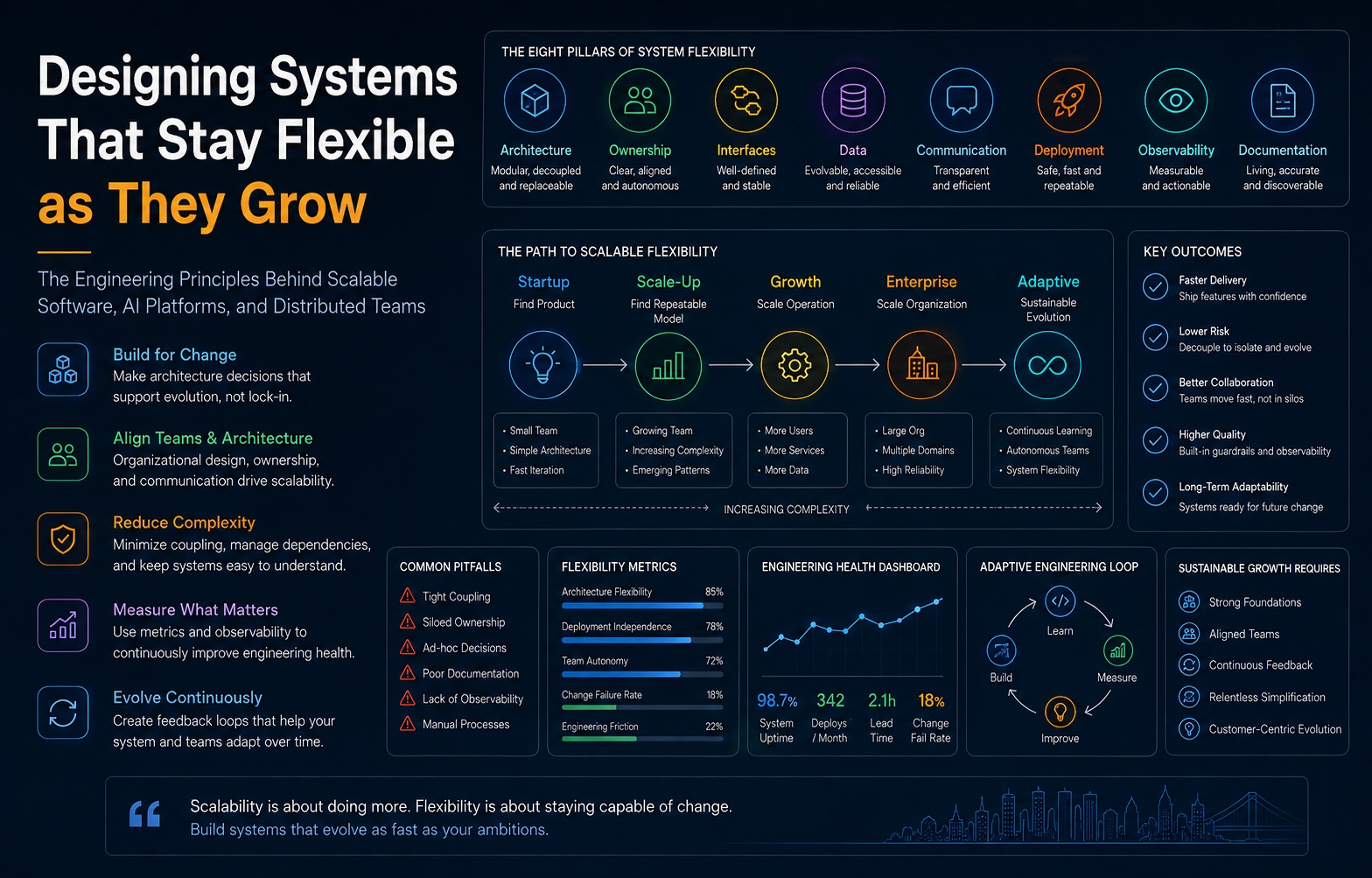
Scaling software isn't just about handling more users—it's about preserving flexibility as systems, teams, and products evolve. This guide explores the engineering principles behind adaptable architectures, resilient platforms, and scalable organizations, helping CTOs and engineering leaders build systems that continue to deliver value long after launch.