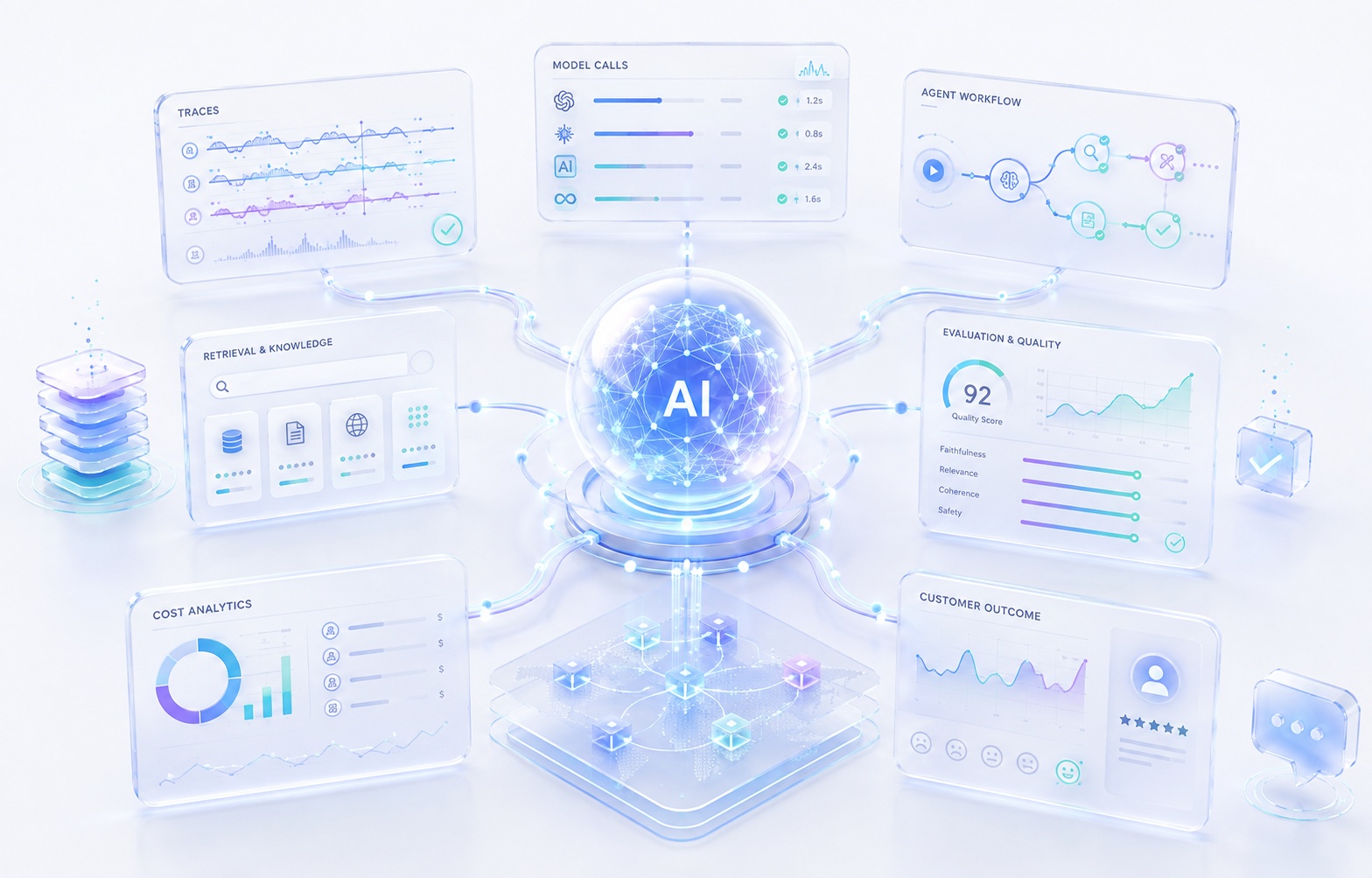
Uptime, latency, and error rates can tell you whether an AI application is running. They cannot always tell you whether it is making good decisions.
Modern AI systems add model calls, retrieval, routing, tool use, agents, dynamic context, and variable inference costs to the production stack. A workflow can return successfully while becoming less accurate, more expensive, or less useful to customers.
This article examines the rise of AI observability — how traces, evaluations, behavioral signals, cost data, and customer outcomes are changing what engineering teams need to see before they can call an AI product healthy.
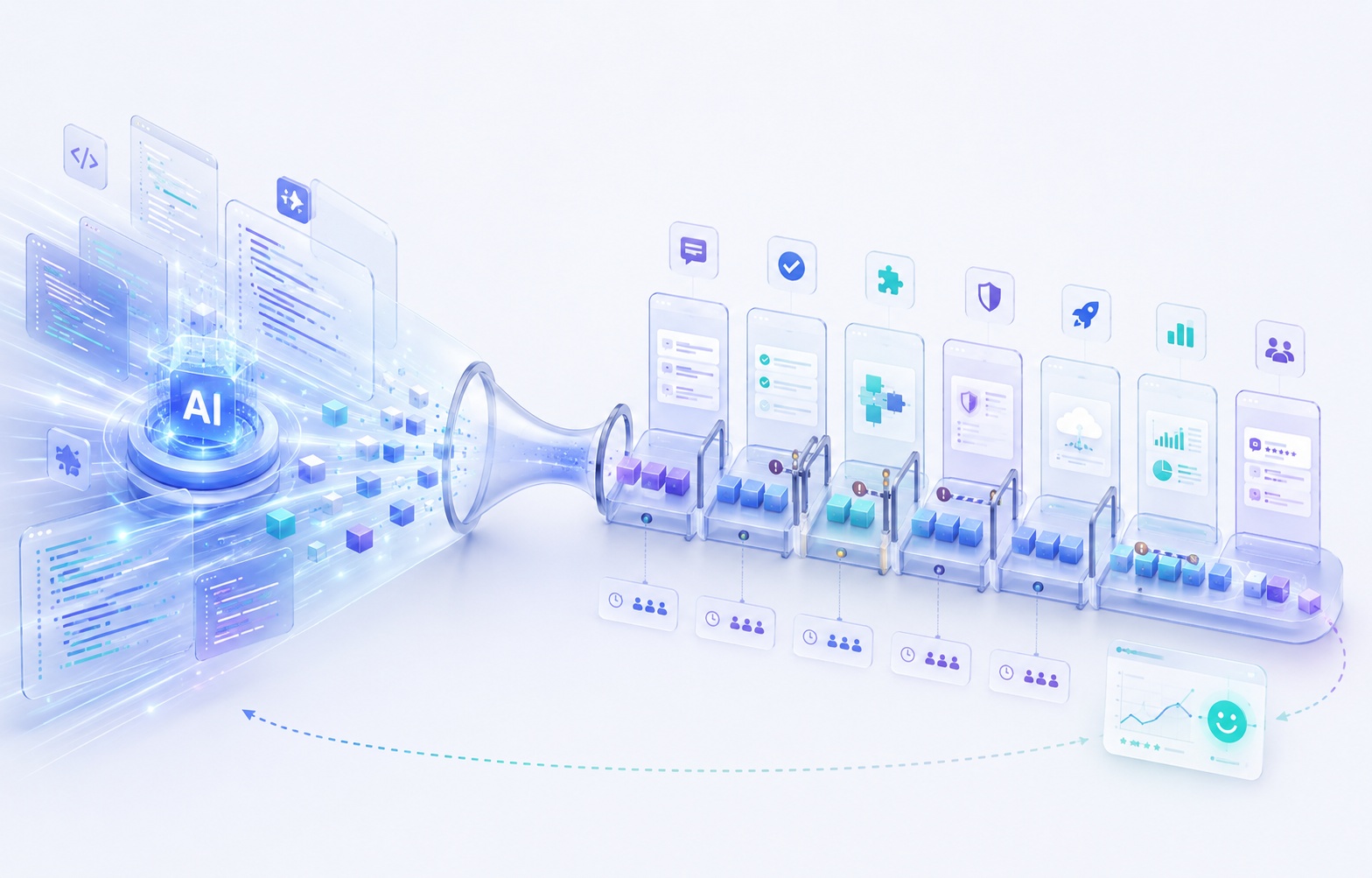
AI can help developers implement software dramatically faster, but coding is only one stage of delivery.
A feature still has to survive requirements, review, integration, testing, security, deployment, production, and ultimately customer judgment. When implementation accelerates faster than the rest of the organization, the bottleneck does not disappear — it moves.
This article examines the emerging AI productivity paradox: why local coding gains can create new queues elsewhere, why verification and decision capacity are becoming more important, and what engineering leaders must redesign if they want AI speed to become actual product speed.
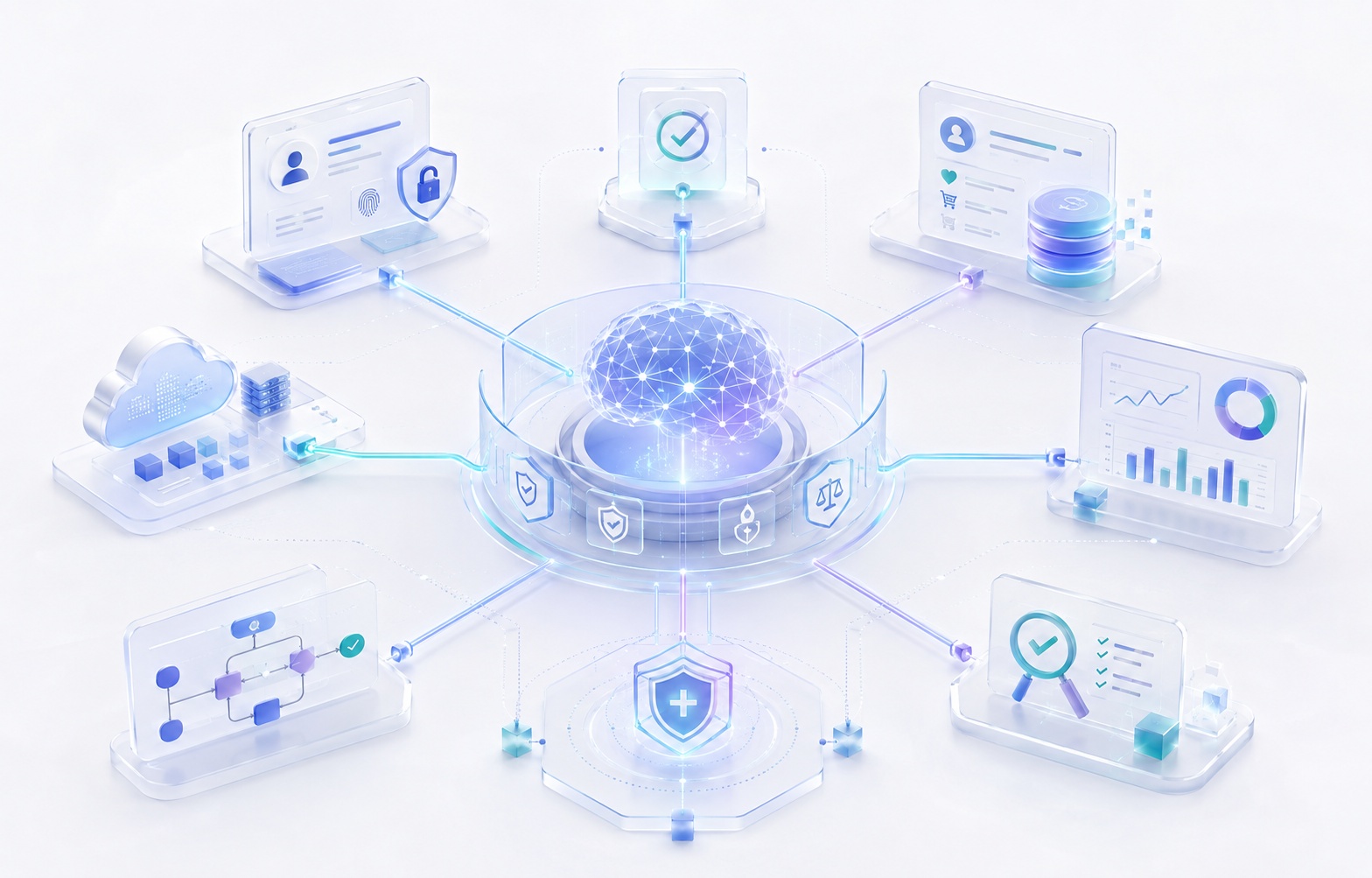
The biggest change in enterprise AI may not be better answers. It may be the moment software receives permission to act.
An AI agent can increasingly move beyond recommendations and interact directly with customer accounts, business systems, infrastructure, payments, communications, and internal workflows. That makes model accuracy only one part of the risk.
The deeper question is how organizations govern machine authority: what an agent may do, when it should stop, what requires human approval, how quickly one mistake can spread, and who ultimately owns the outcome.
This article explores why permissions, verification, identity, observability, and accountability may become the real infrastructure behind autonomous enterprise AI.
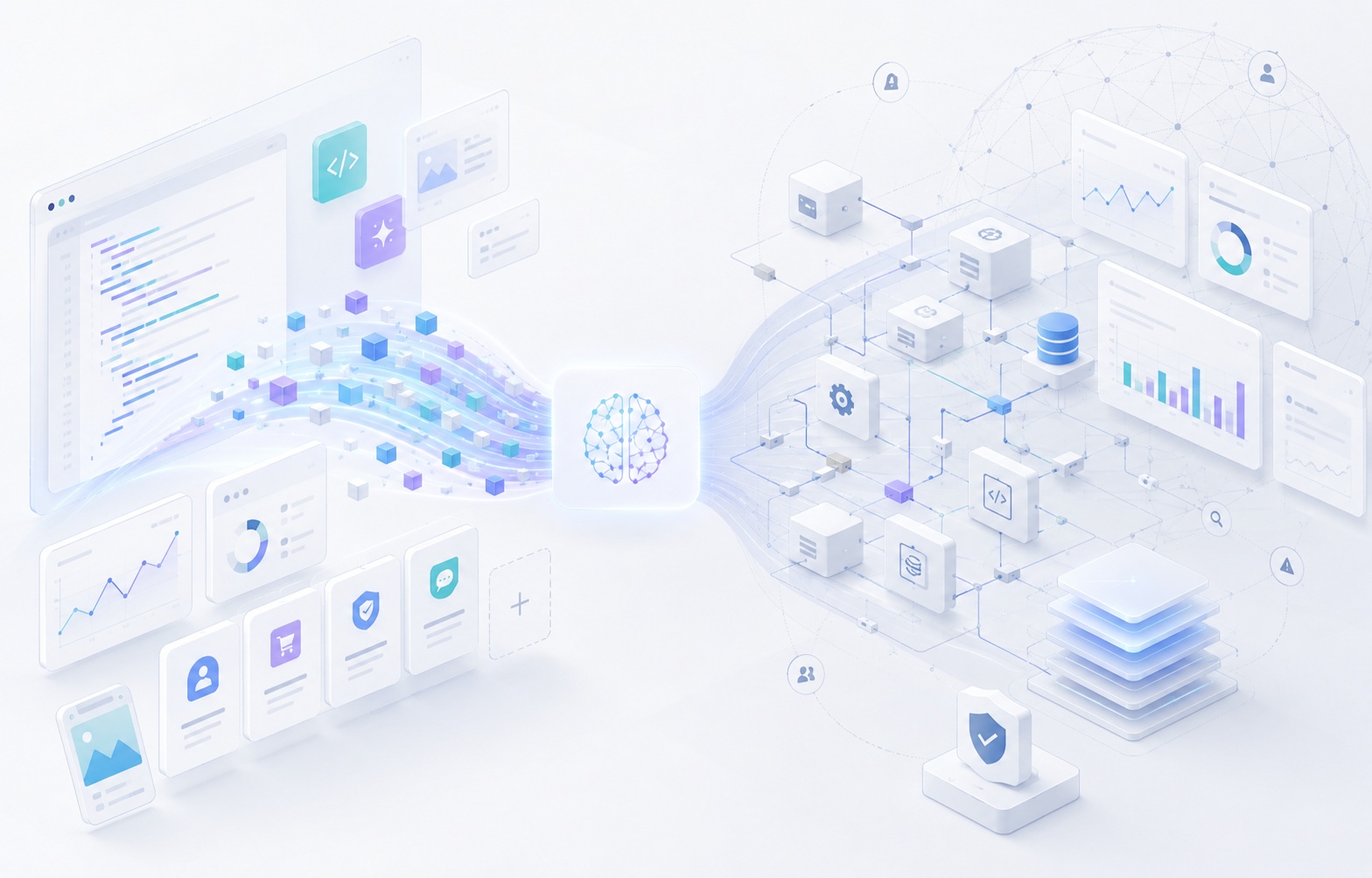
AI is rapidly reducing the cost of producing software, but that does not mean software businesses are becoming cheaper to run. When teams can generate features, integrations, internal tools, and workflows faster than ever, the real bottleneck moves elsewhere.
This article explores the emerging economics of AI-assisted development: why abundant code can create more complexity, why verification and maintenance become more valuable, and why the strongest engineering organizations may eventually distinguish themselves not by how much they can build, but by how carefully they decide what deserves to exist.
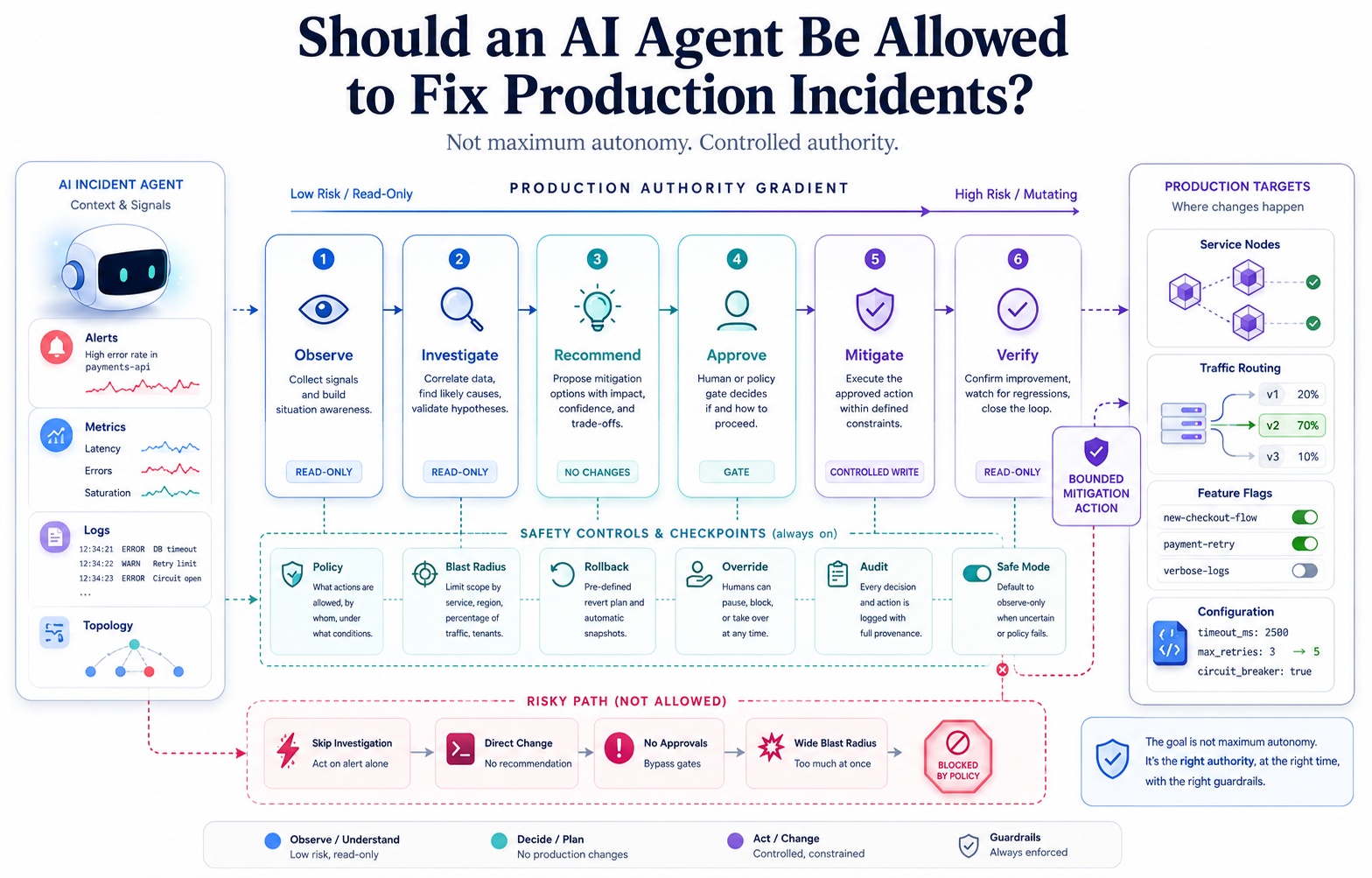
An AI agent can correlate telemetry, identify likely causes, and recommend a mitigation faster than an operator can inspect every system manually. Giving that same agent permission to change production is a different engineering decision.
This article examines where production authority should stop — from read-only investigation and approved actions to bounded autonomous mitigation — and how blast radius, reversibility, rollback, permissions, verification, human override, and emergency controls determine whether autonomous incident response is safe enough to use.
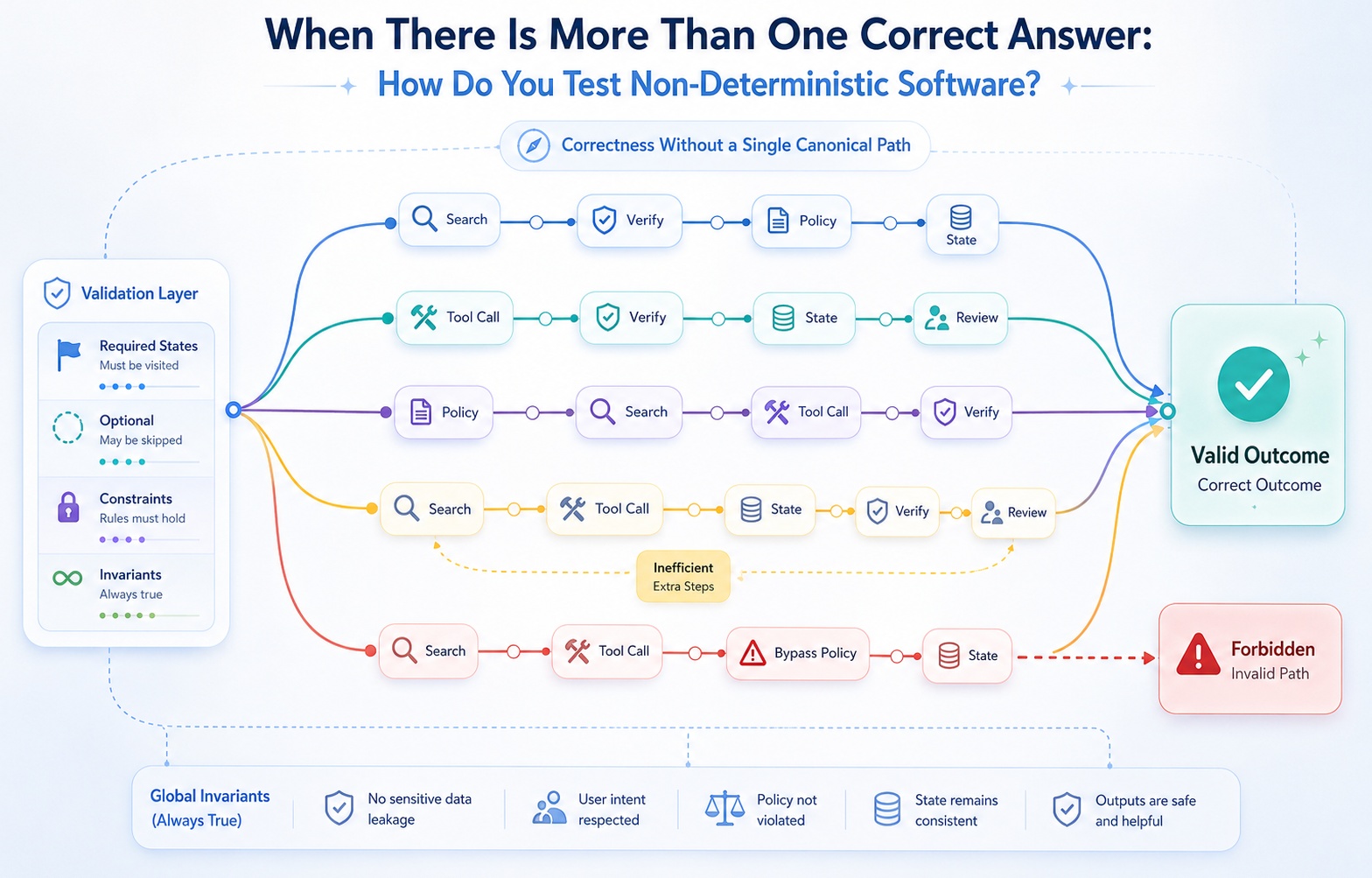
Traditional tests work well when one input has one expected result. AI agents complicate that assumption: several different tool sequences, intermediate states, and responses may all be valid.
This article examines how to test software without forcing every successful execution through the same path — using invariants, essential states, behavioral graphs, semantic evaluation, repeated runs, business outcomes, and explicit boundaries for acceptable variation.
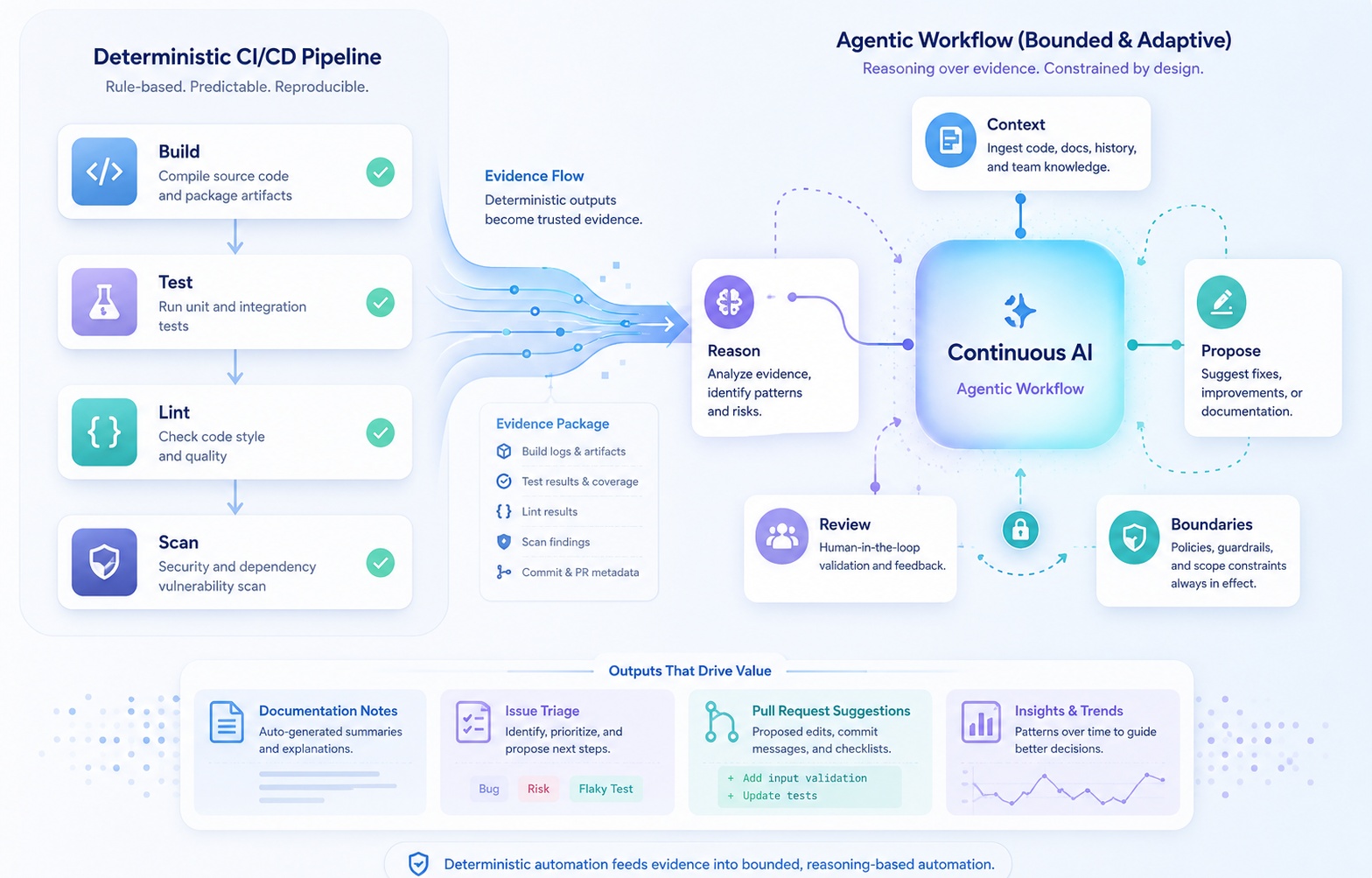
CI/CD was built around explicit instructions: run this build, execute these tests, apply this rule, fail when a known condition is violated.
Agentic workflows introduce a different contract. Instead of defining every step, engineering teams can define an objective, provide context and tools, set boundaries, and let an AI agent determine part of the path.
This article examines where that model actually belongs in software delivery, what should remain deterministic, how agentic workflows should be tested and constrained, and what happens when reasoning itself becomes part of the automation layer.
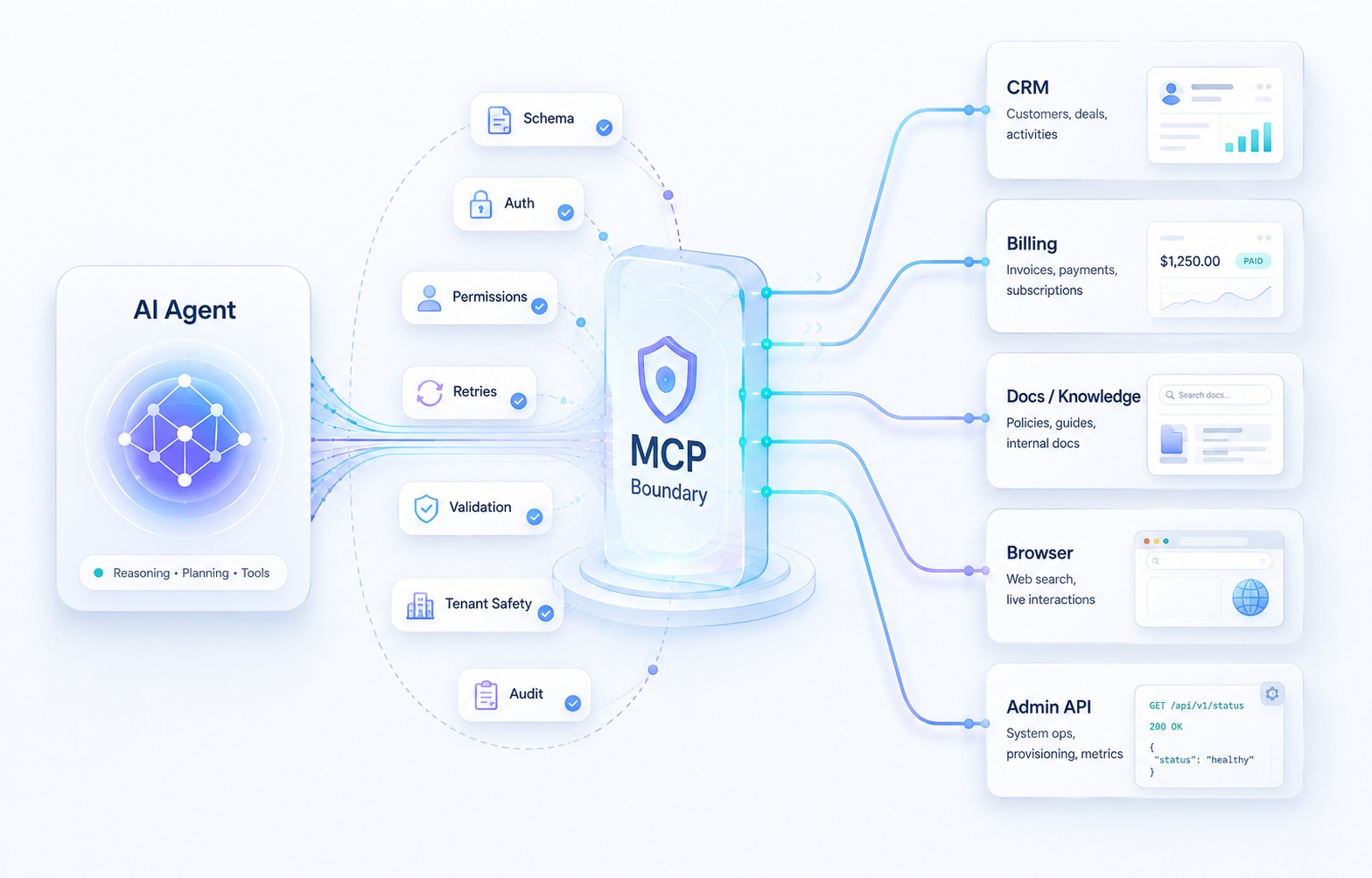
Connecting an AI agent to an MCP server can take minutes. Proving that the integration is safe to trust in production is a different problem.
What happens when a tool disappears, its schema changes, authorization is narrower than the agent expects, a write succeeds but the response never arrives, or the model chooses the right API with the wrong customer ID?
This article examines MCP as an executable production contract — covering tool discovery, schemas, permissions, retries, idempotency, browser automation, cross-tenant isolation, compatibility, failure injection, and the difference between a successful tool call and a correct business outcome.
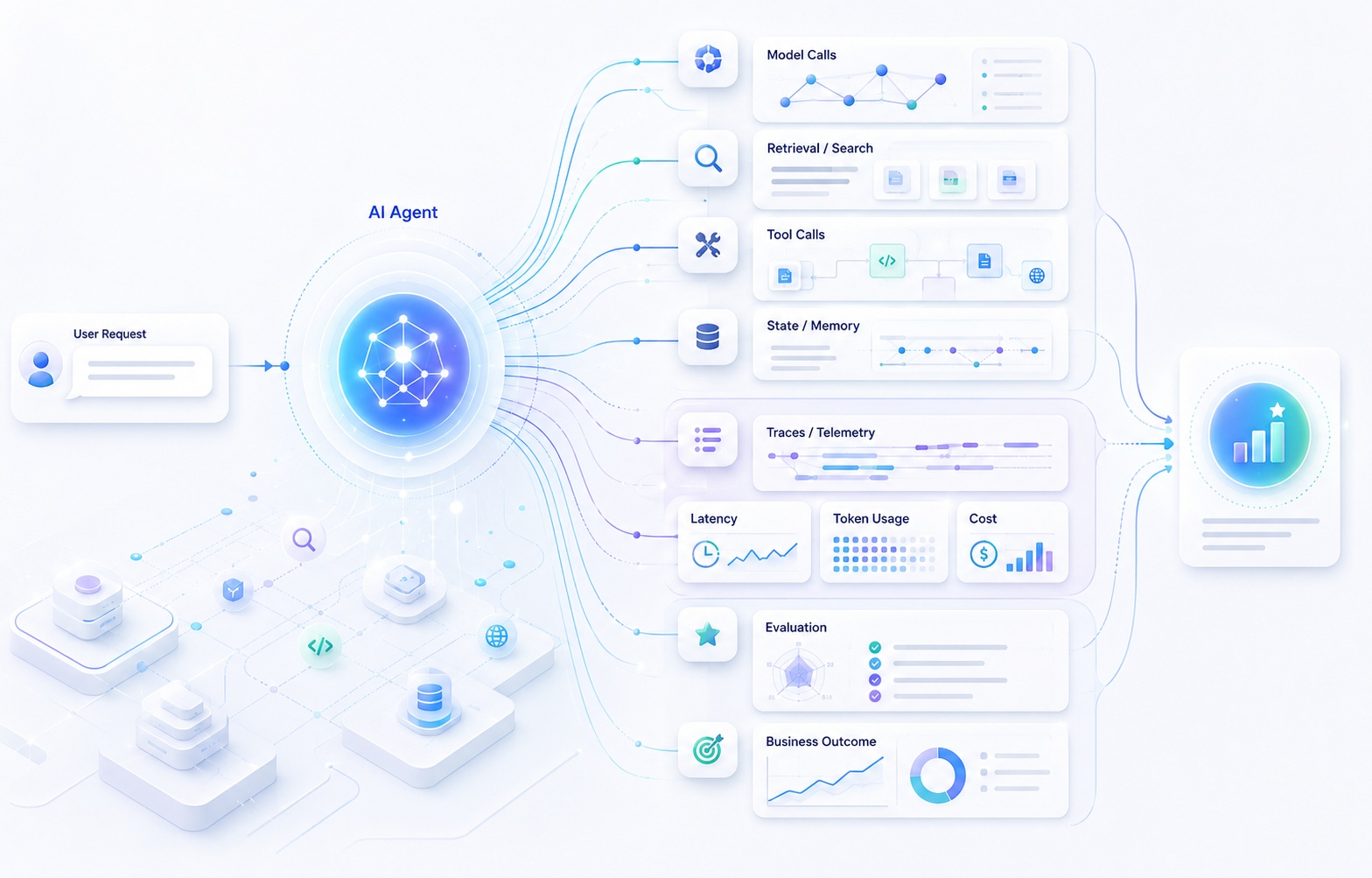
An AI agent can return the right answer while taking the wrong path to get there. A healthy endpoint cannot tell you which context the agent used, why it selected a tool, whether it retried an action, how much the execution cost, or whether the requested business outcome actually happened.
This article goes inside a production AI-agent trace to examine what teams need to observe beyond traditional logs: model calls, retrieval, tool execution, state, latency, token consumption, behavioral drift, evaluation, and business outcomes — and how production traces can become the starting point for better testing rather than the end of an incident investigation.
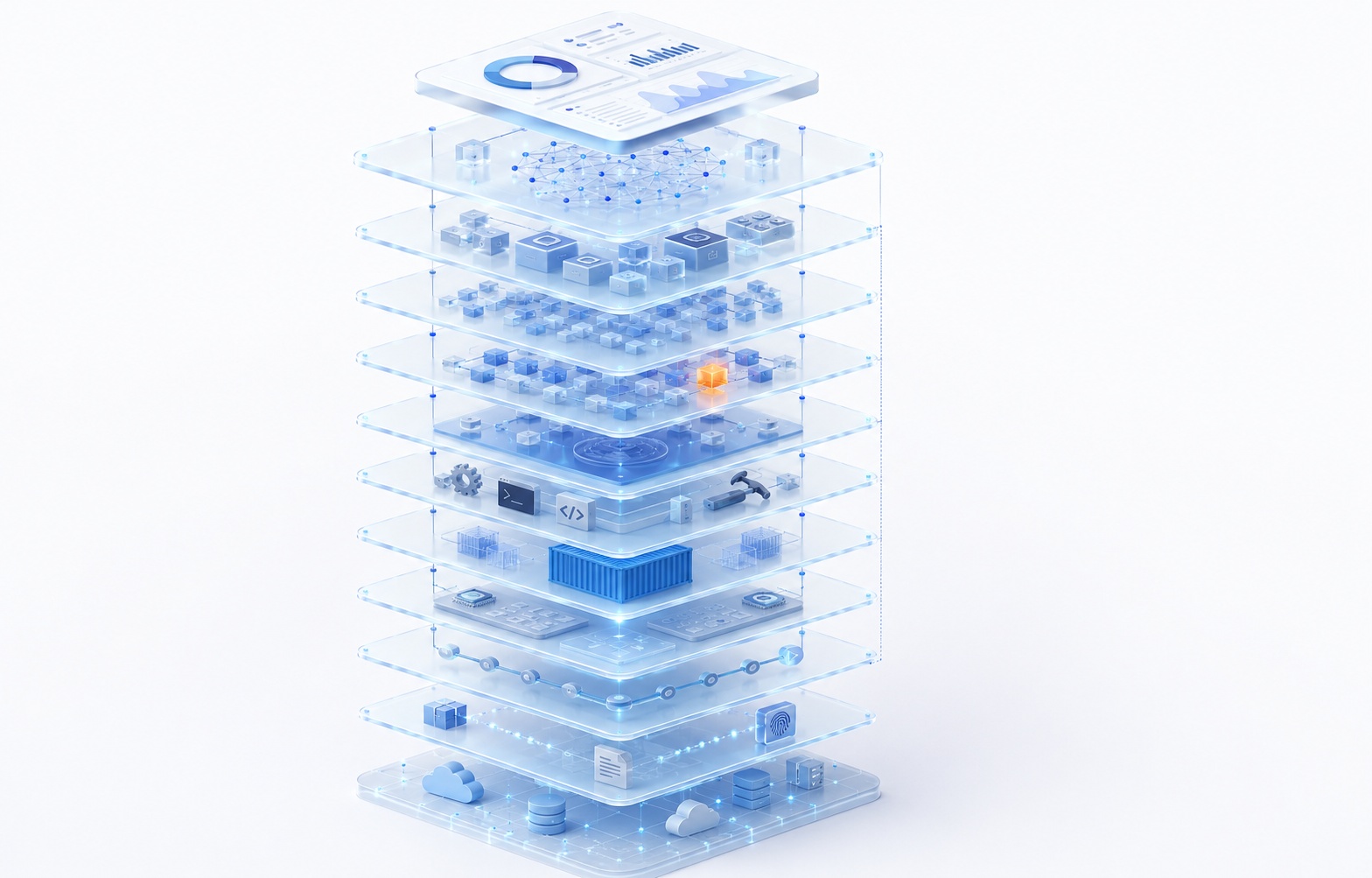
Remove the frameworks, packages, runtimes, container images, cloud services, CI tools, SDKs, and open-source components your team did not create. How much of the product is left? Modern software gains enormous leverage from dependencies — but every dependency also introduces a trust relationship. This article breaks down the software supply chain layer by layer and explores how teams can understand, verify, and govern what actually reaches production.
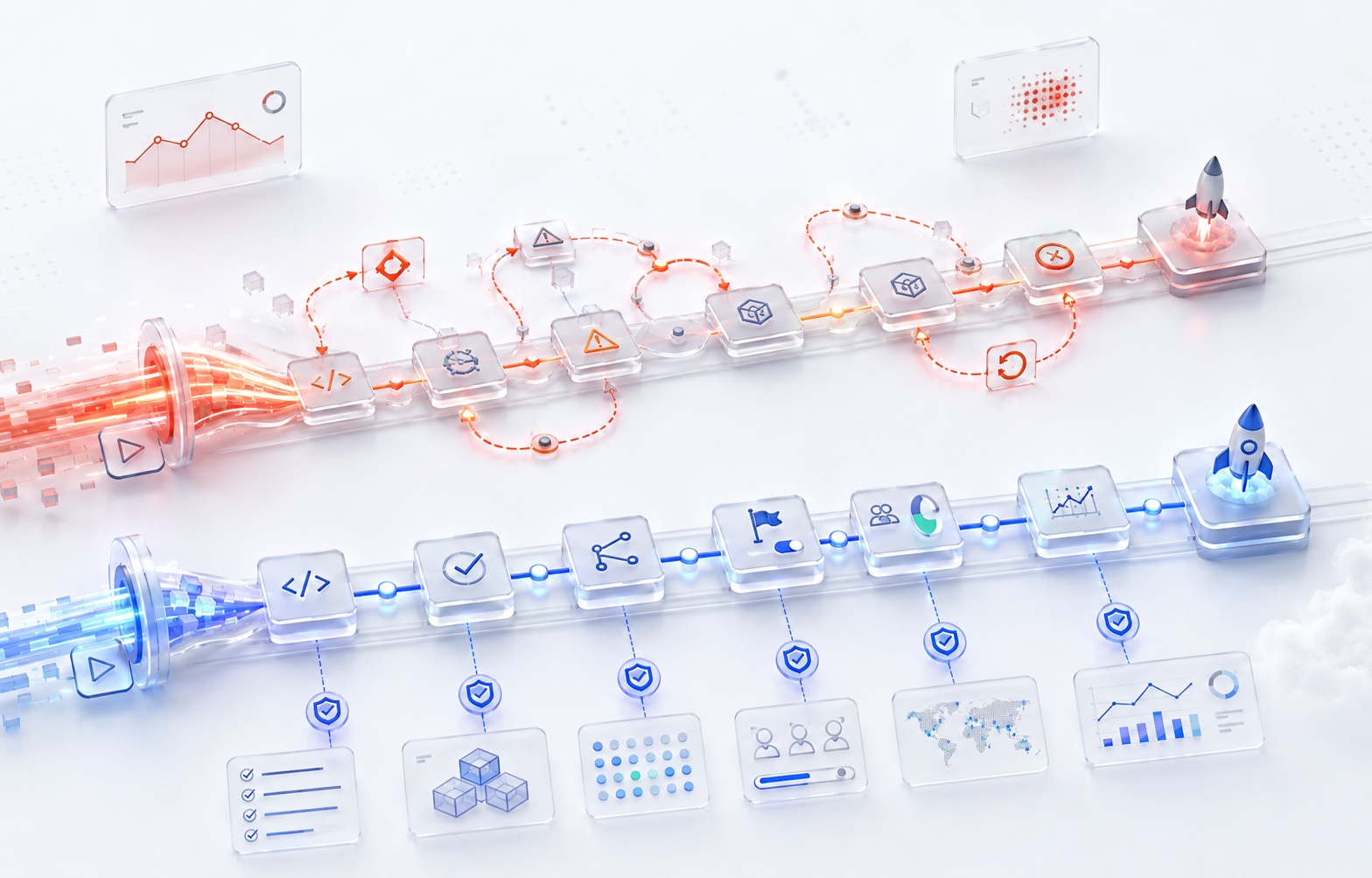
Shipping more often can make a startup faster — or trap the team in hotfixes, regressions, and constant recovery work. The difference is not simply release frequency. It is how quickly a team can verify a change, control its exposure, observe real production behavior, and recover when something goes wrong. This article explores how founders can find a release cadence that increases product velocity without sacrificing stability.
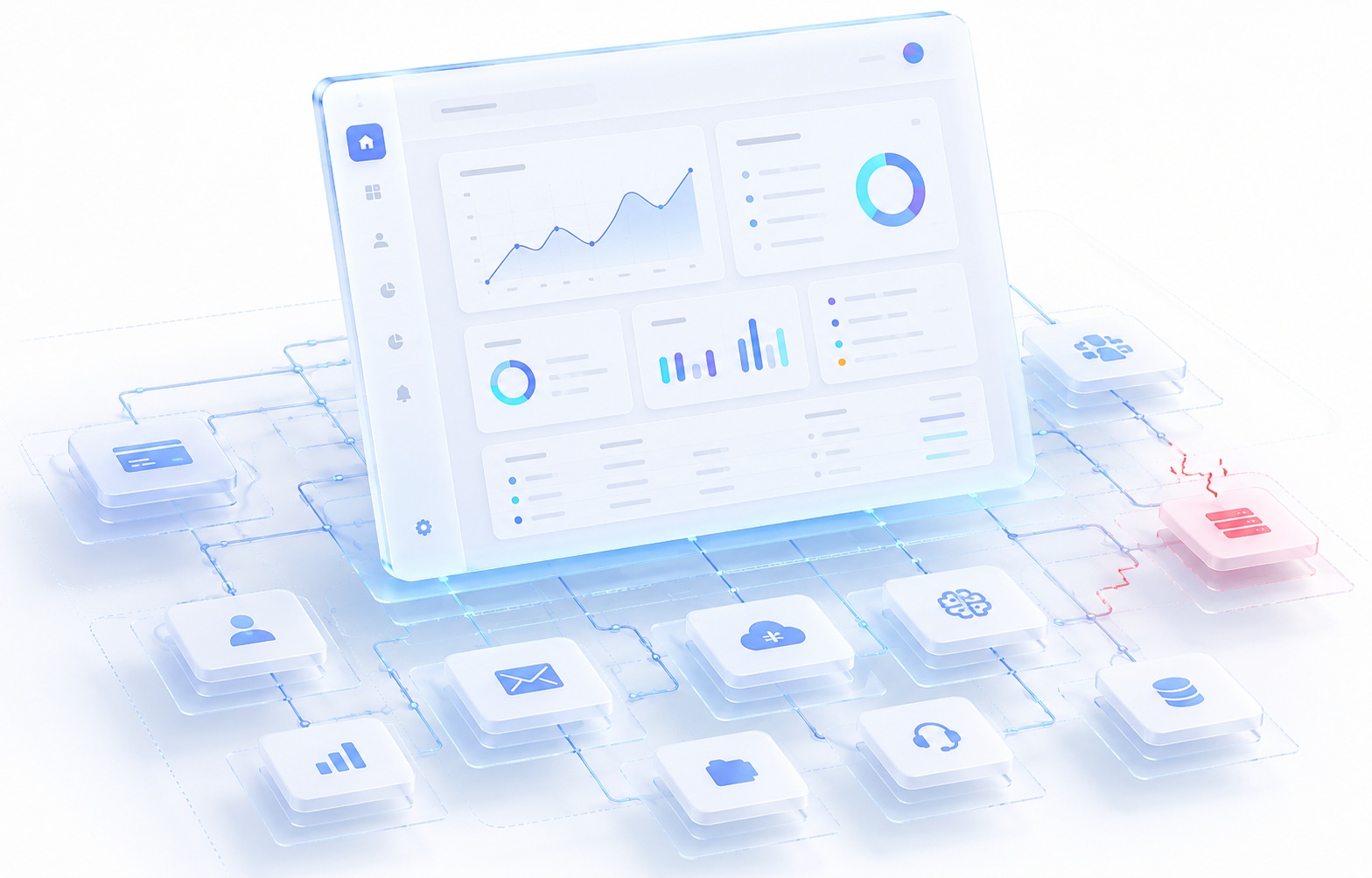
Your customer sees one product. Behind it may be payments, identity, email, cloud services, analytics, AI, CRM, storage, and dozens of API calls you do not control. This article explores what happens when those dependencies slow down, fail, change, or disappear — and how SaaS teams can build resilience without trying to build everything themselves.