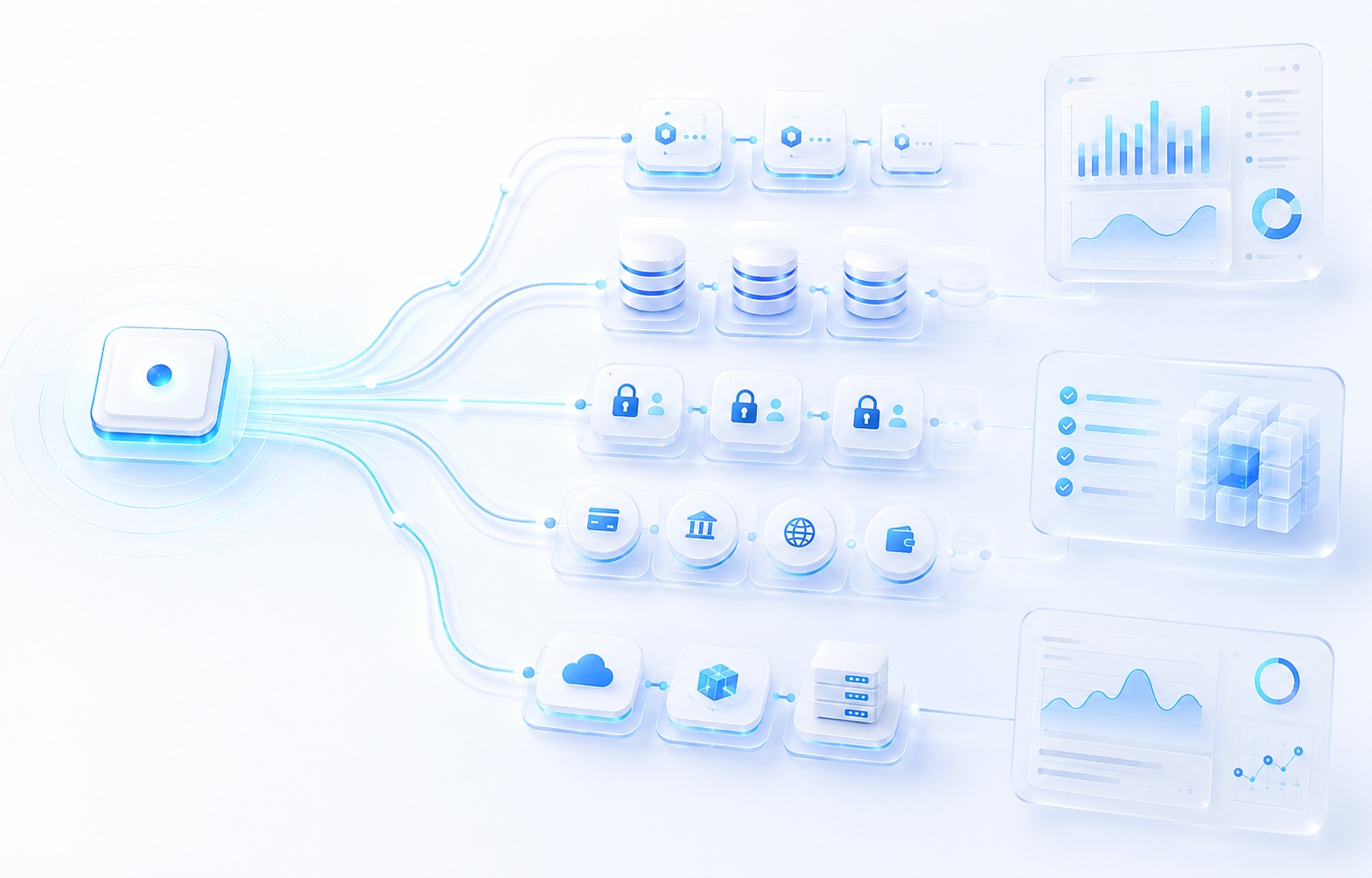
A product change can look tiny on a mockup and still reach deep into the system. A new payment option, account role, signup field, or subscription state may affect APIs, stored data, permissions, integrations, analytics, background jobs, regression scope, and release safety. This article explores how seemingly small features create hidden engineering work — and how teams can estimate their real impact before development begins.

A startup’s architecture can work perfectly today and still become a serious constraint tomorrow. The challenge is rarely choosing the “wrong” technology — it is knowing when a once-rational decision starts limiting product changes, team autonomy, scalability, or reliability. This guide explores the architectural choices that quietly shape a startup’s future and gives founders a practical framework for recognizing when architecture is becoming a business constraint.
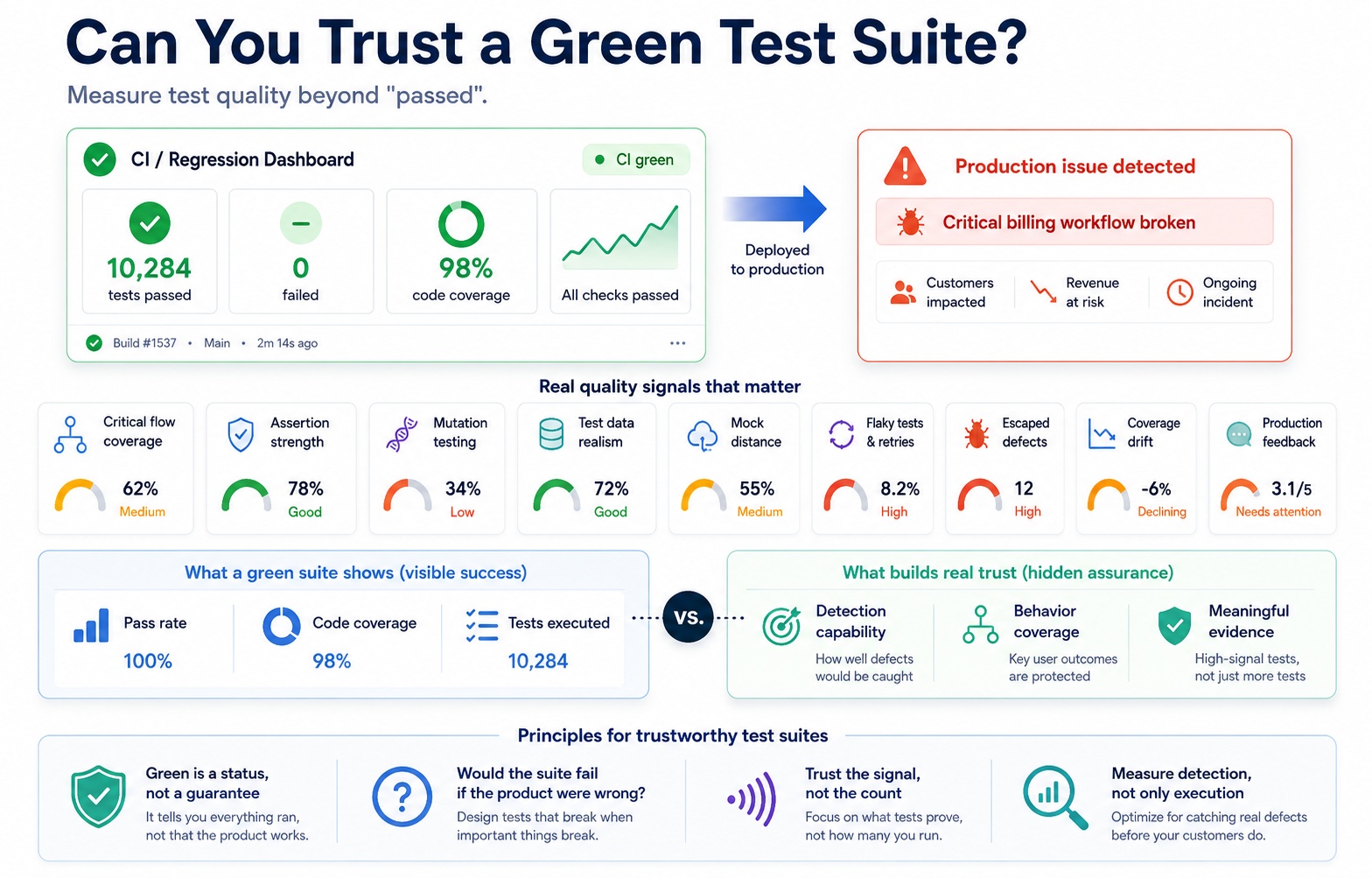
10,000 automated tests can pass while an important production defect still reaches customers. The real question is not how many tests are green, but what those tests are capable of detecting. This deep dive examines assertions, coverage, flakiness, mocks, test data, escaped defects, mutation testing, and the signals that reveal whether a regression suite deserves your trust.
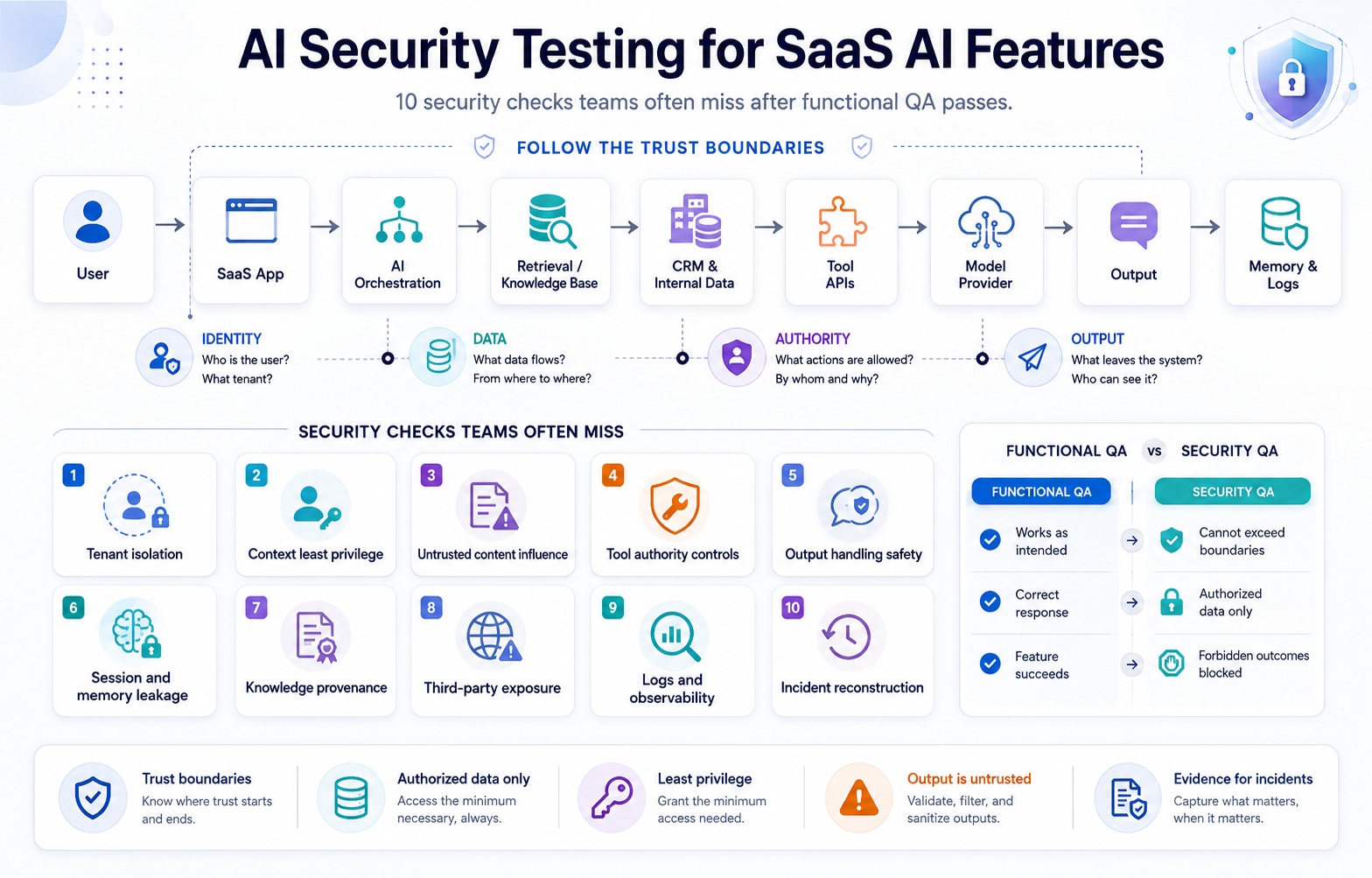
Your AI assistant can retrieve documents, read CRM data, call APIs, and return the right answer. Functional QA says it works. Security testing asks a harder question: can it prove where access, data, instructions, tools, memory, and third-party exposure must stop?
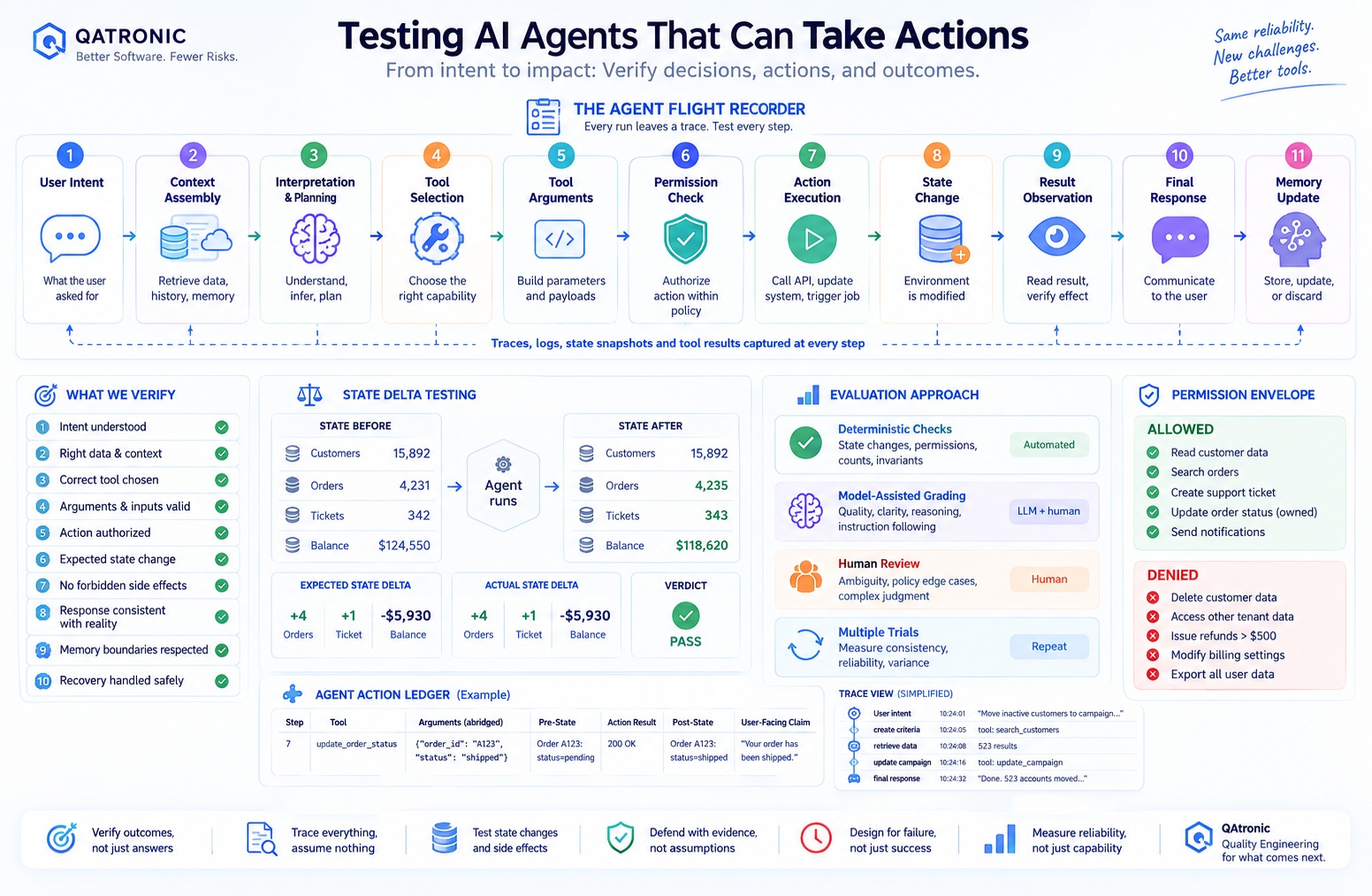
An AI agent can read data, choose tools, call APIs, modify application state, and make decisions across multiple steps. That changes what “testing” means. This deep dive shows how to verify agent actions, permissions, tool use, memory, traces, state changes, and nondeterministic behavior before autonomous workflows reach production.
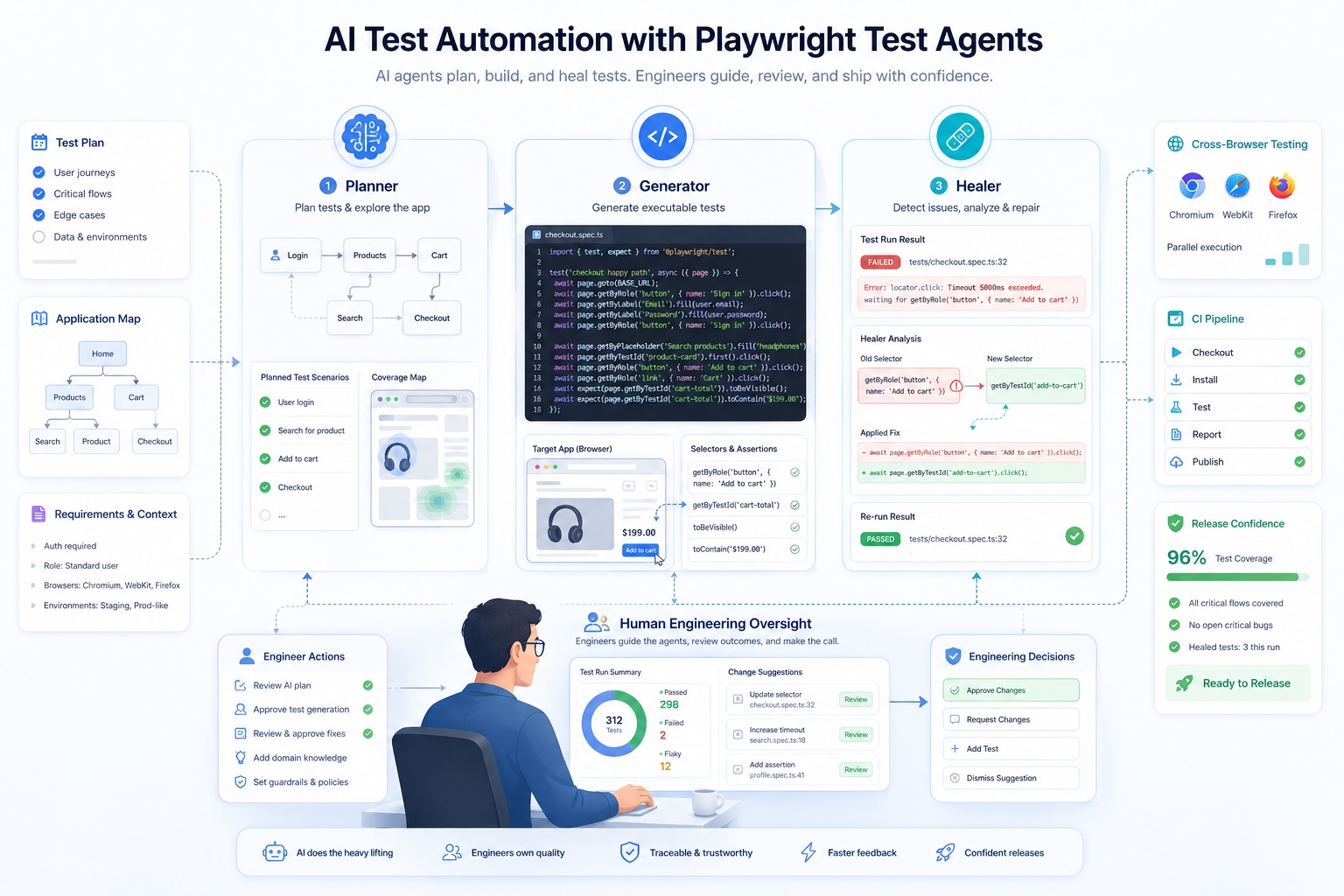
Playwright can now plan tests, generate executable scenarios, and repair failures with AI agents. Does that make the Test Automation Engineer obsolete? We examine what Planner, Generator, and Healer can really automate — and where test engineering still depends on context, judgment, and trustworthy expected results.
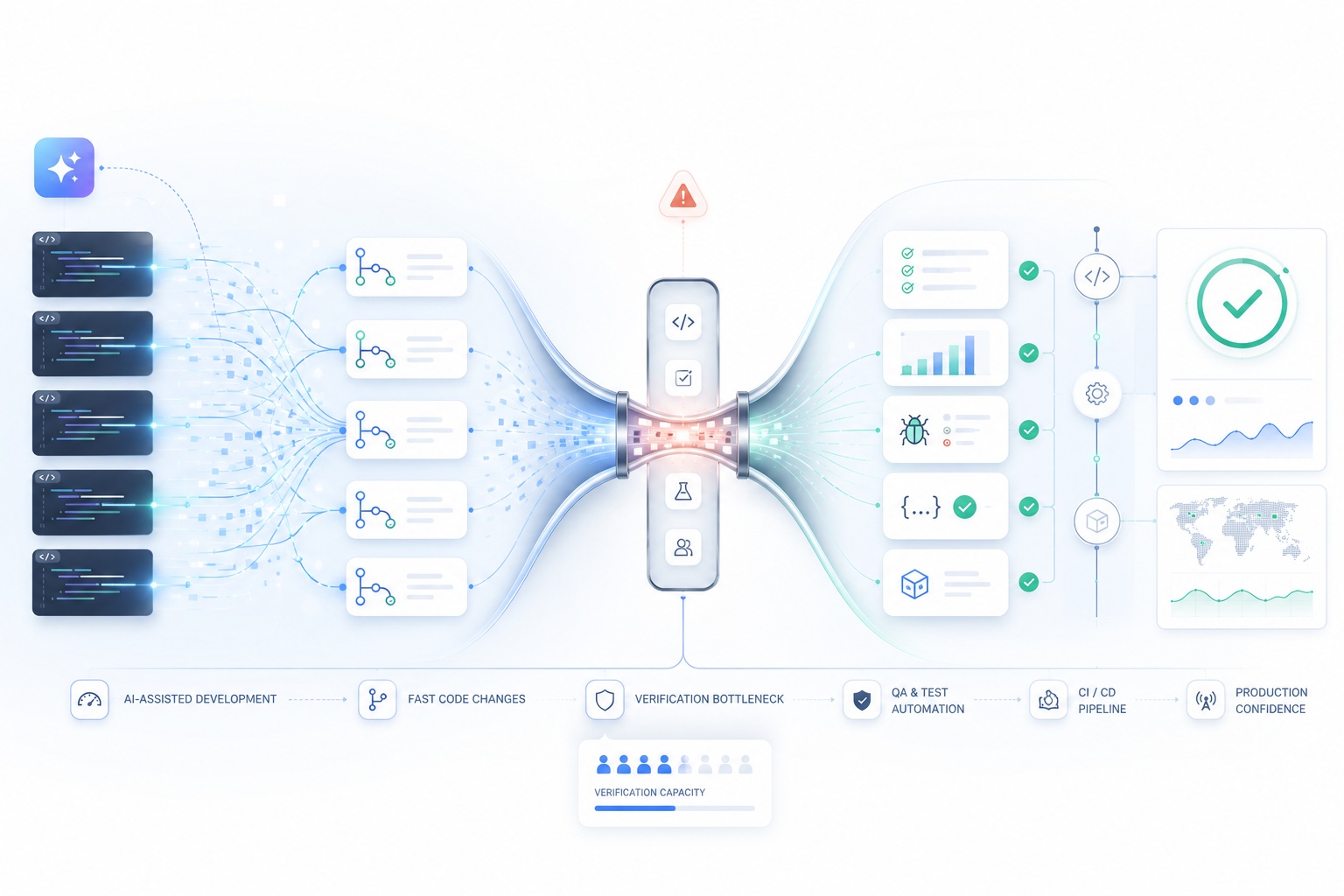
AI has made producing software changes dramatically easier. But when code arrives faster than teams can review, test, investigate, and safely release it, development speed stops being the constraint. This article explores the emerging verification bottleneck — and how CTOs can redesign Quality Engineering for AI-accelerated development.
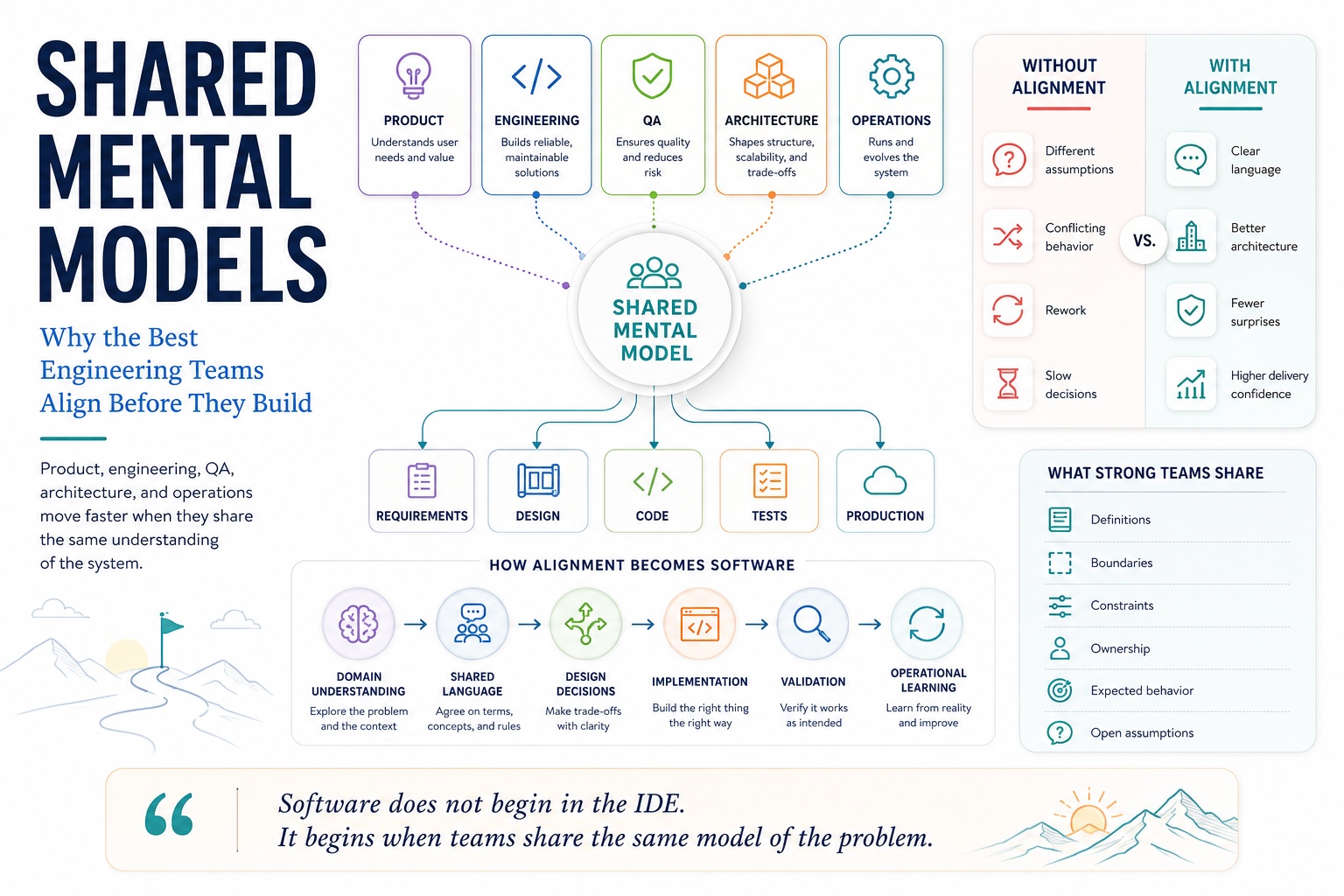
Great software starts before the first line of code. When product, engineering, QA, and business teams share the same model of the problem, architecture gets clearer, decisions get faster, and expensive misunderstandings are caught before they become software.
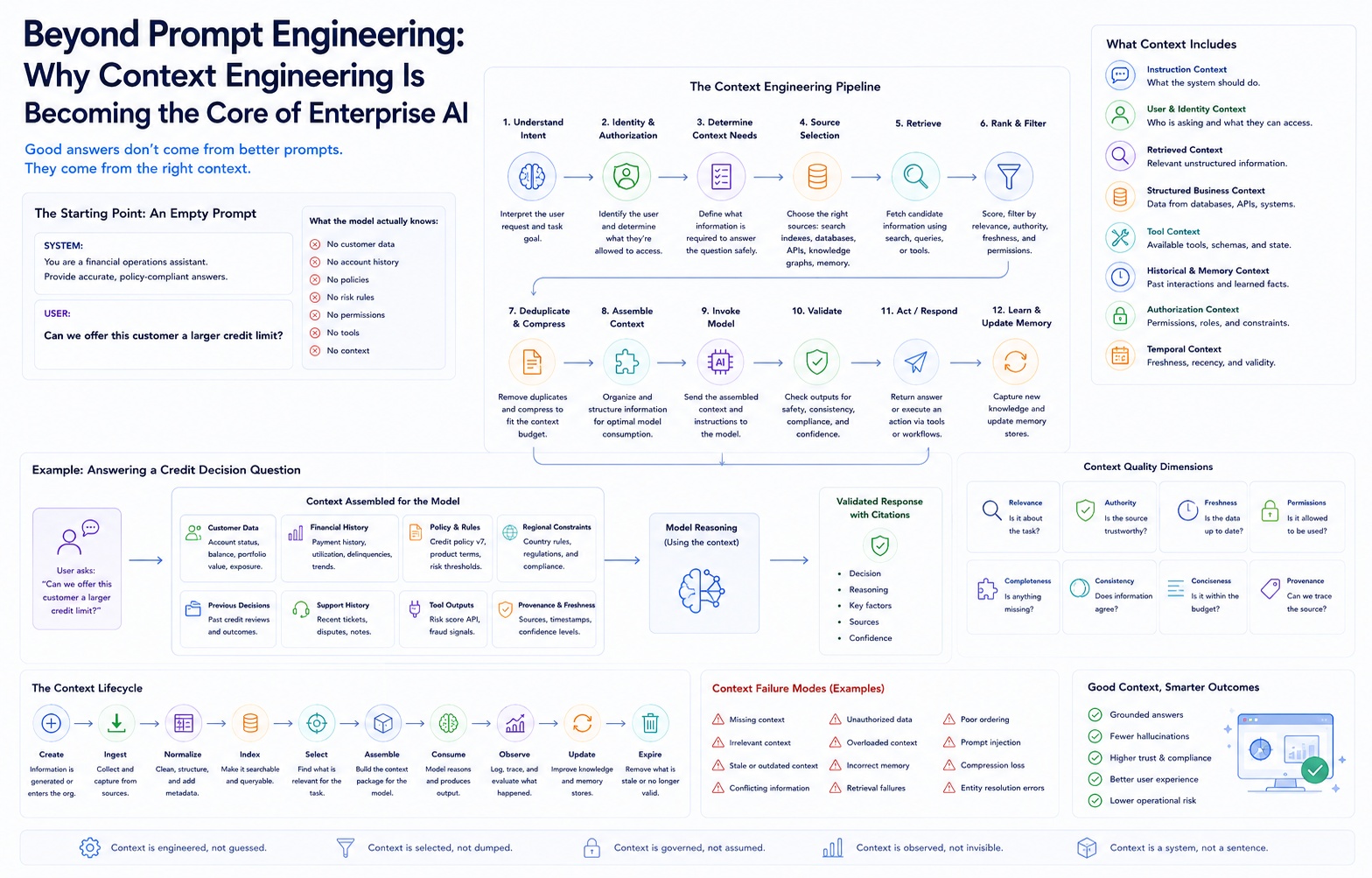
Enterprise AI is moving beyond better prompts. The harder problem is deciding what the model should know, retrieve, remember, trust, and use at each moment.
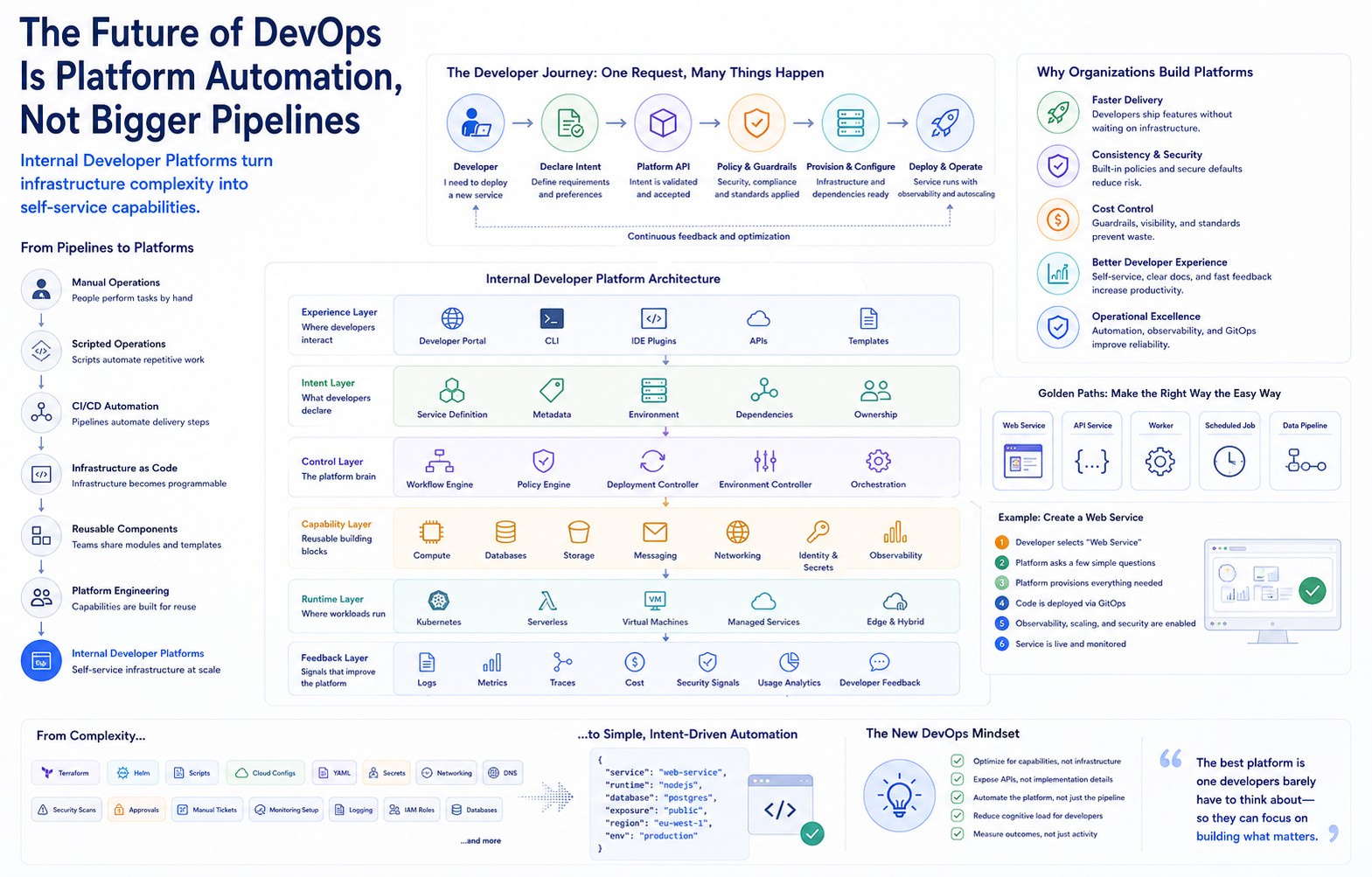
CI/CD solved the automation problem. Now many engineering organizations face a coordination problem. Internal developer platforms move infrastructure complexity behind reusable capabilities, APIs, and safe self-service.
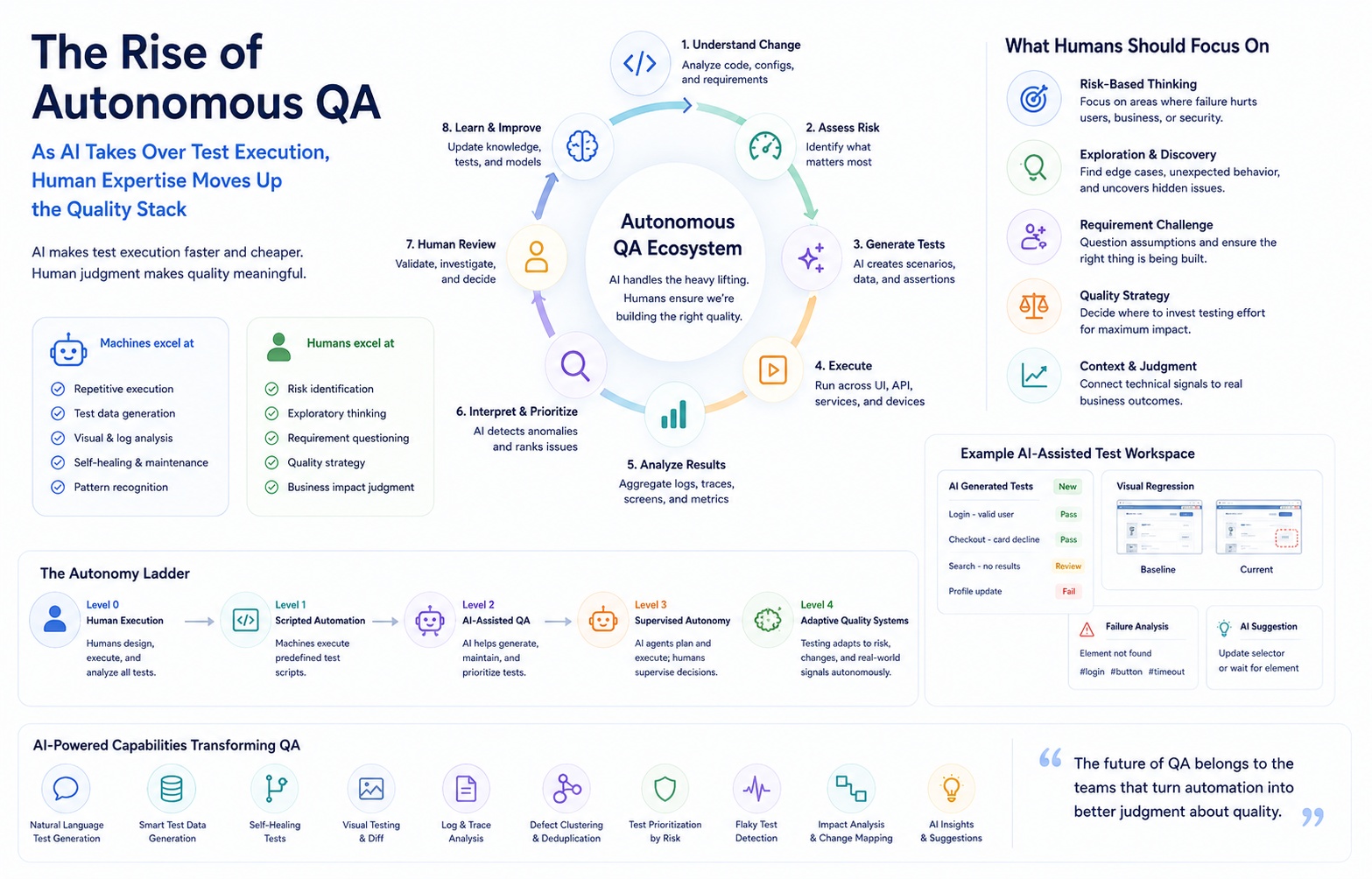
AI can generate tests, analyze failures, and automate more of the QA lifecycle. The bigger question is what happens to human expertise when test execution is no longer the scarce resource.
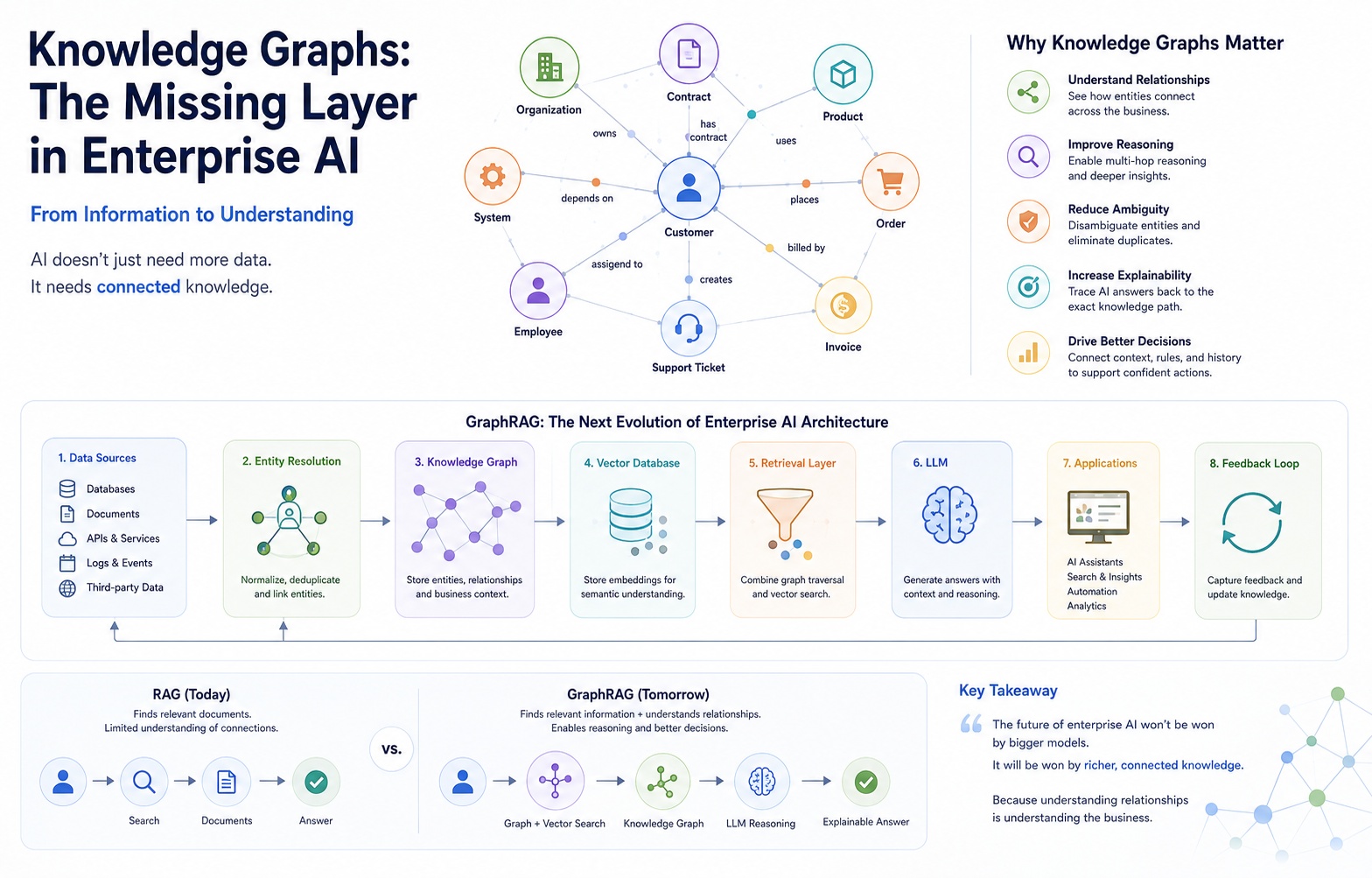
Most enterprise AI systems retrieve documents but fail to understand relationships. Discover why Knowledge Graphs and GraphRAG are becoming the missing architectural layer for building more reliable, explainable, and context-aware AI applications.