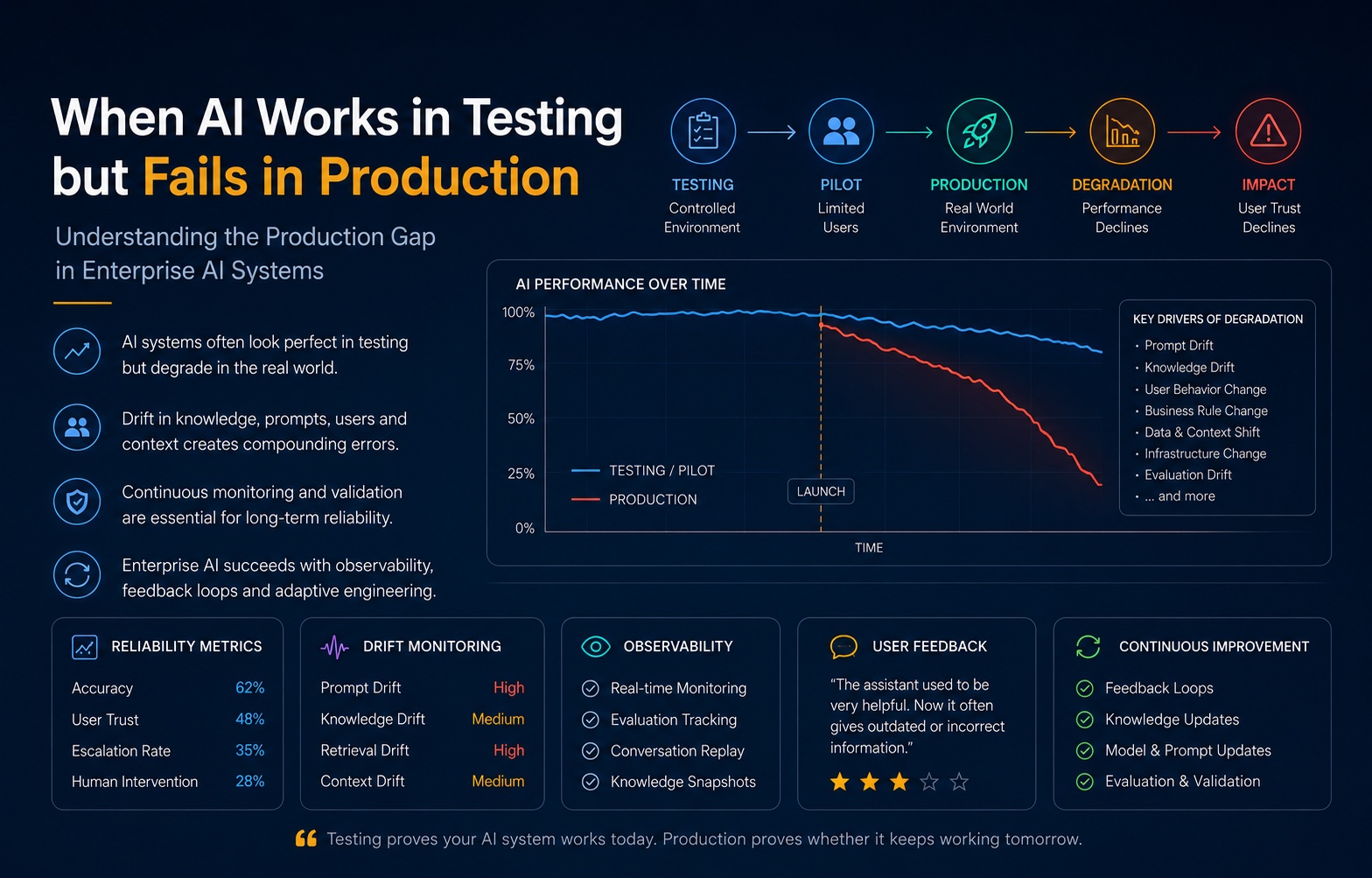
Testing proves an AI system works under controlled conditions. Production is where real users, changing data, evolving business rules, and unpredictable workflows expose entirely different challenges. This article explores the Production Gap and presents practical frameworks for building AI systems that remain reliable long after deployment.
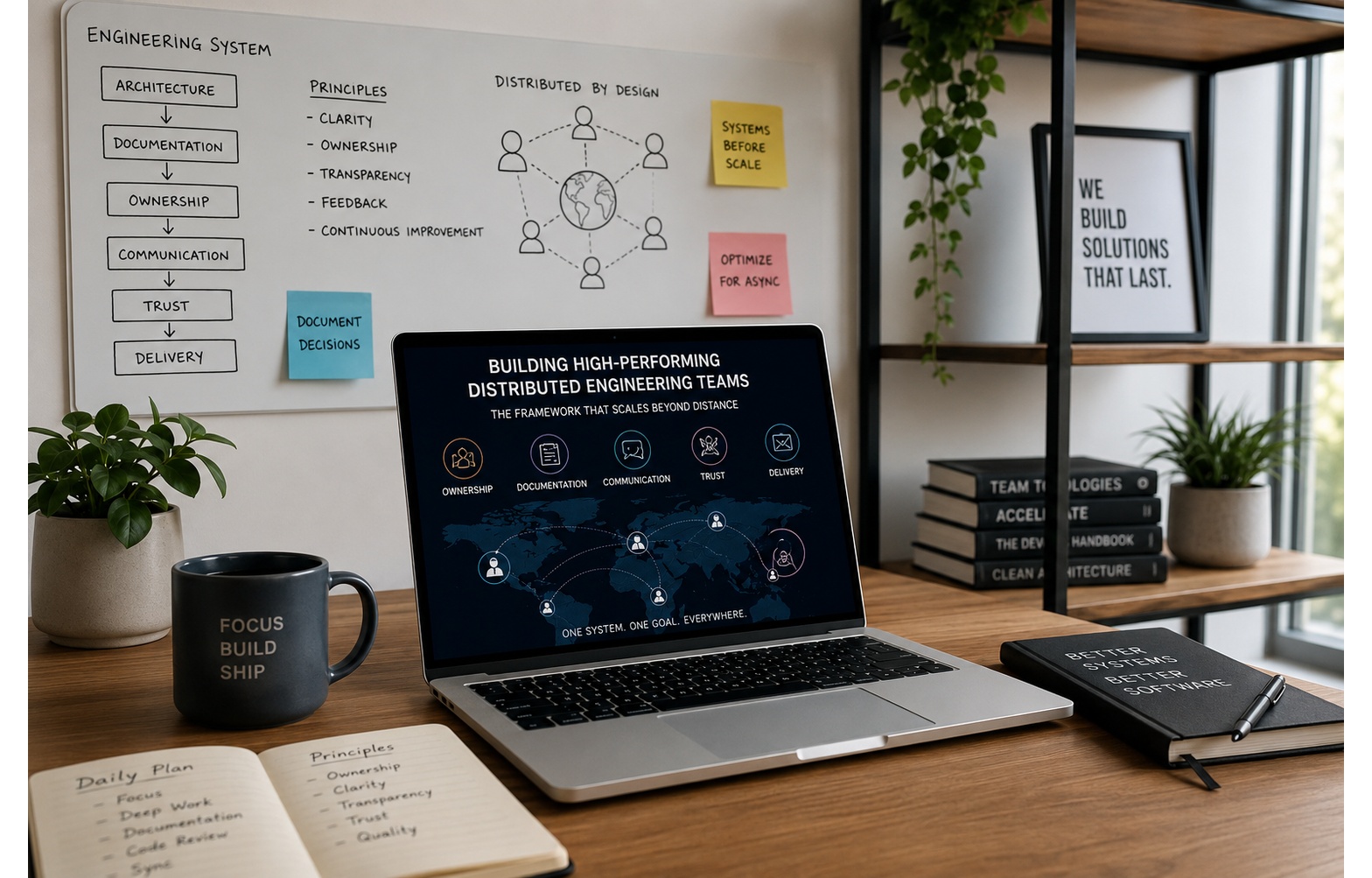
Building distributed engineering teams is no longer about managing remote developers or coordinating across time zones. It's about designing engineering organizations that scale through clear ownership, strong documentation, efficient communication, and well-defined decision-making systems.
This article explores why the highest-performing distributed teams behave like a single engineering organization rather than a collection of separate locations. It introduces practical frameworks, maturity models, and engineering metrics that help software companies improve delivery speed, reduce organizational friction, and build high-performing teams at scale.
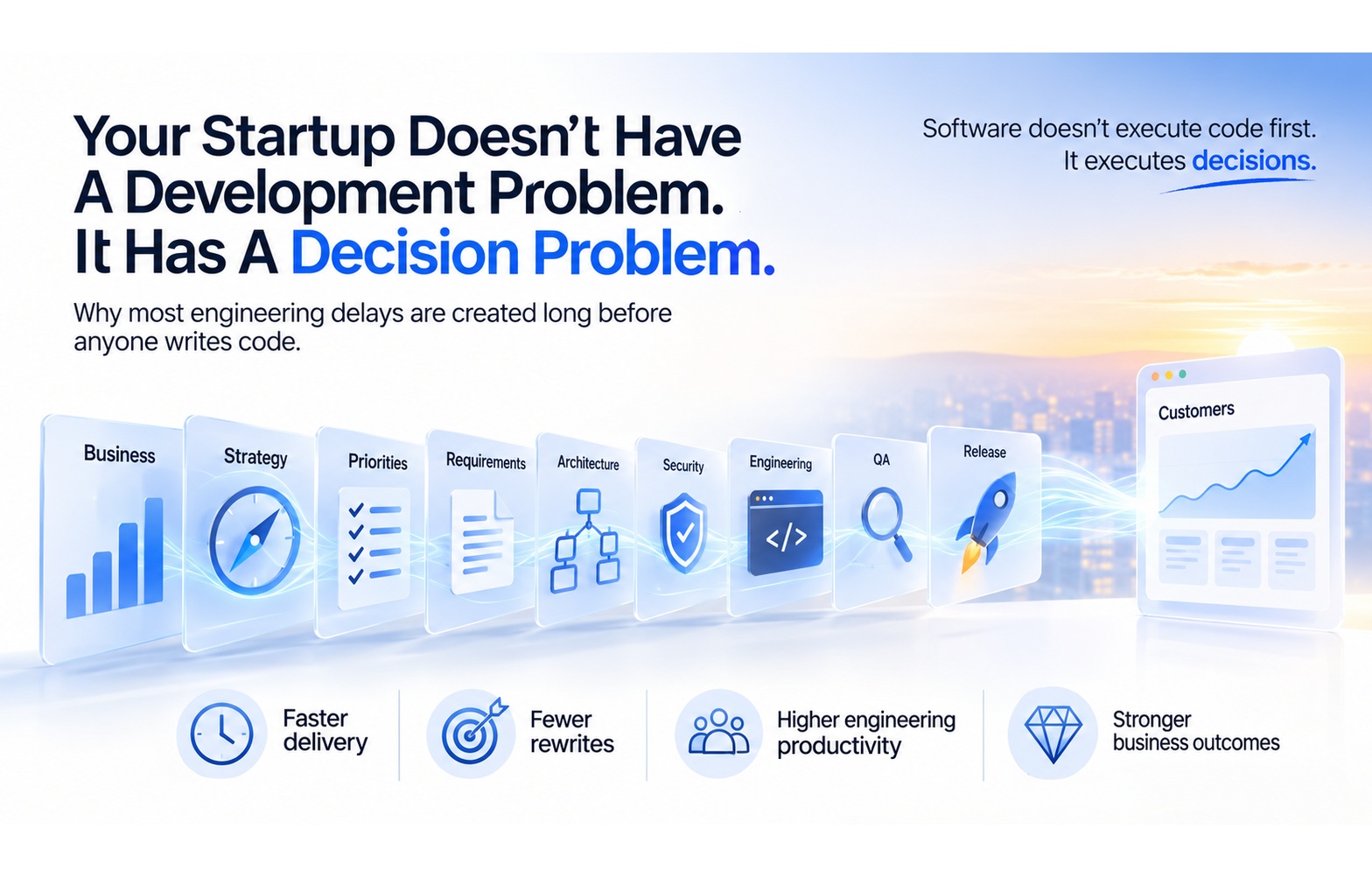
Most engineering leaders assume slow software delivery is caused by legacy code, understaffed teams, or outdated technology. In reality, those are often symptoms rather than root causes.
This article introduces the concept of Decision Debt and explores why engineering velocity is ultimately determined by the quality, ownership, and speed of organizational decisions—not by how quickly developers write code.
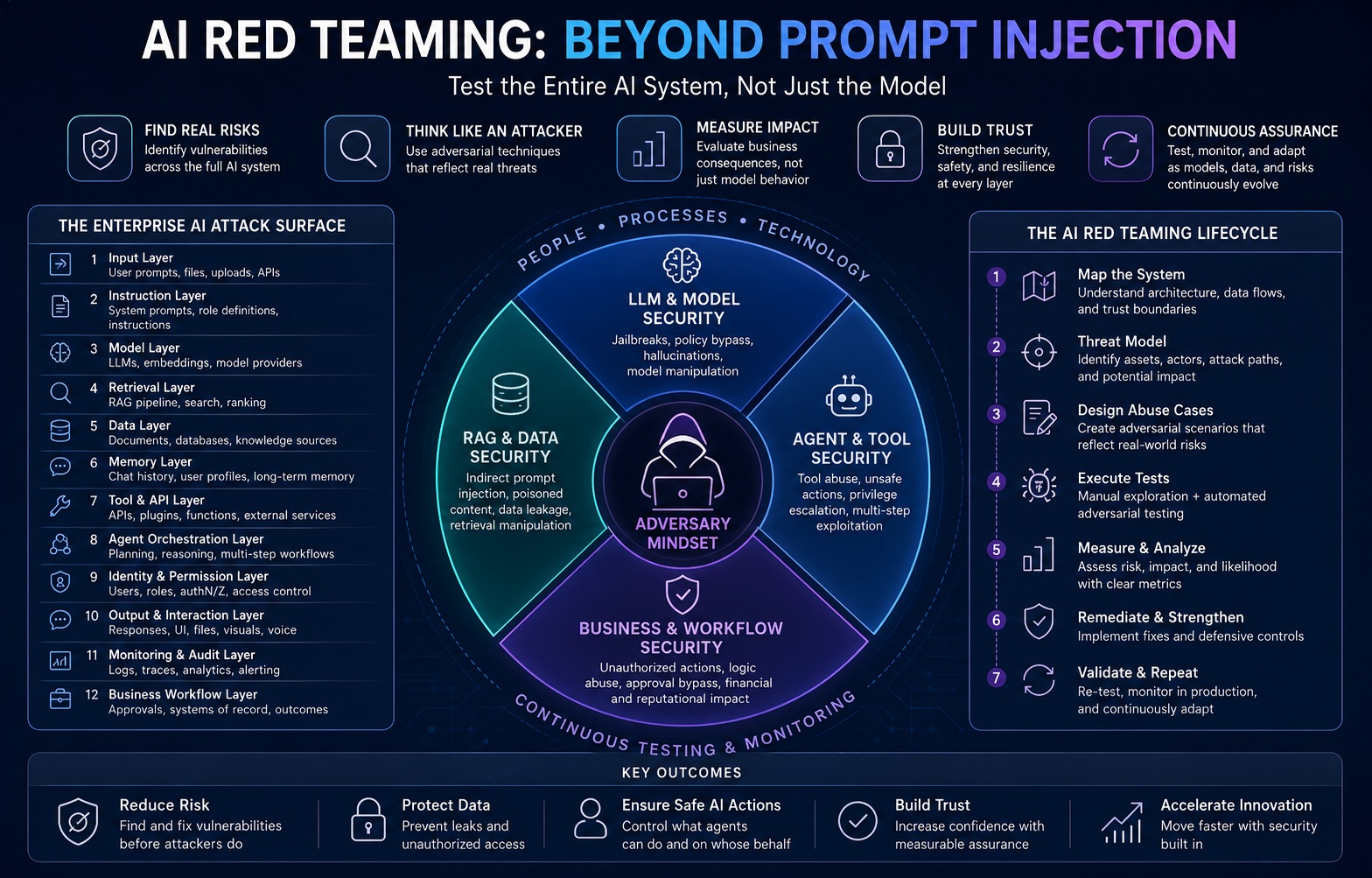
Artificial intelligence introduces entirely new security challenges that traditional software testing was never designed to address. Modern AI applications combine LLMs, retrieval systems, autonomous agents, external tools, memory, and business workflows into highly interconnected systems where failures often occur between components rather than inside the model itself.
This guide explores how enterprise AI red teaming extends beyond prompt injection to evaluate the complete AI ecosystem—from RAG pipelines and agent actions to permissions, business logic, and operational resilience.
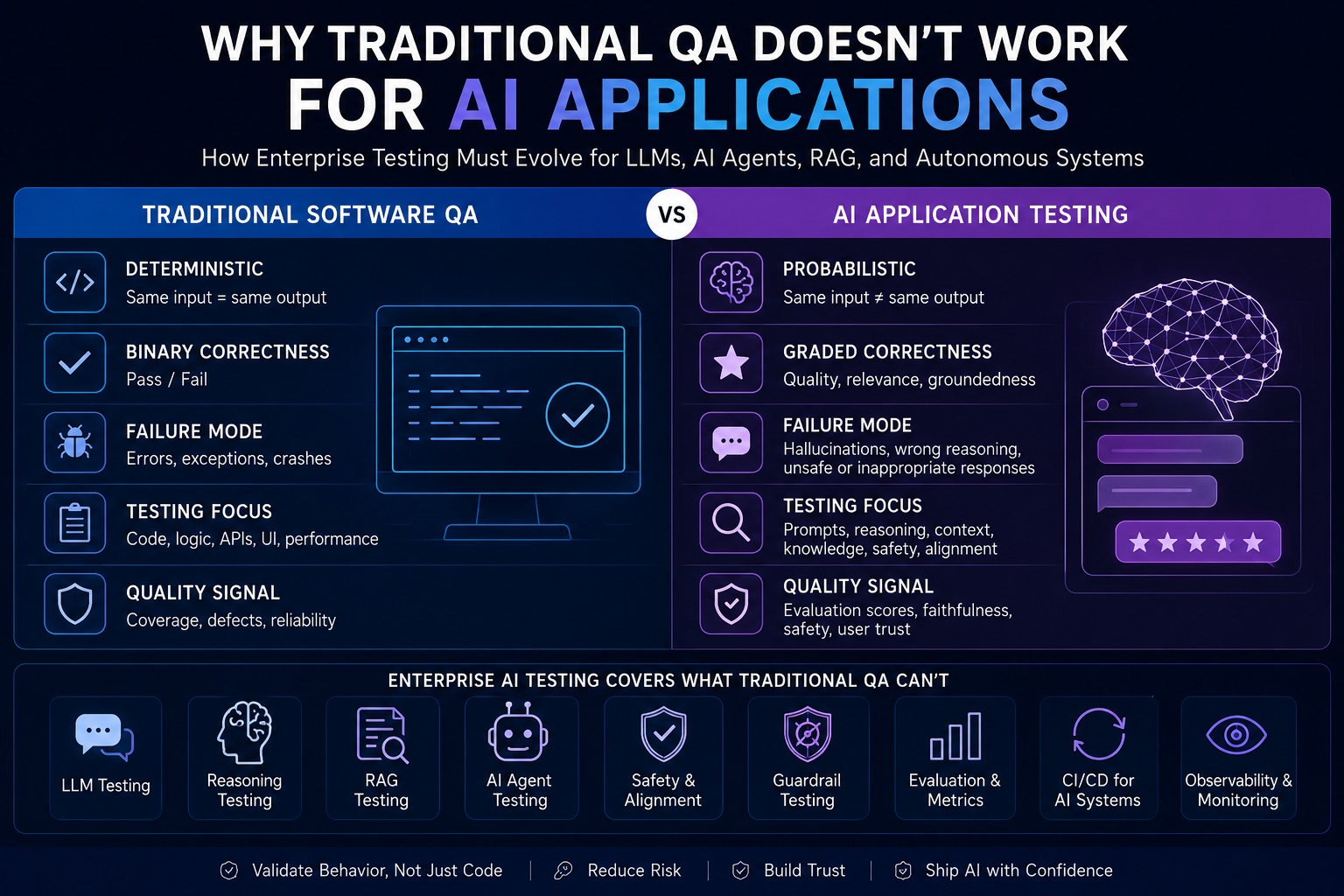
Most software testing practices were built for deterministic systems, where the same input always produces the same output. AI changes that assumption entirely.
Large Language Models, AI Agents, and Retrieval-Augmented Generation systems make probabilistic decisions that traditional QA was never designed to validate. A system can pass thousands of automated tests and still produce incorrect, unsafe, or hallucinated responses in production.
This guide explains why classical QA is no longer sufficient, introduces a modern enterprise AI testing framework, and demonstrates how organizations can validate AI behavior before it reaches customers.
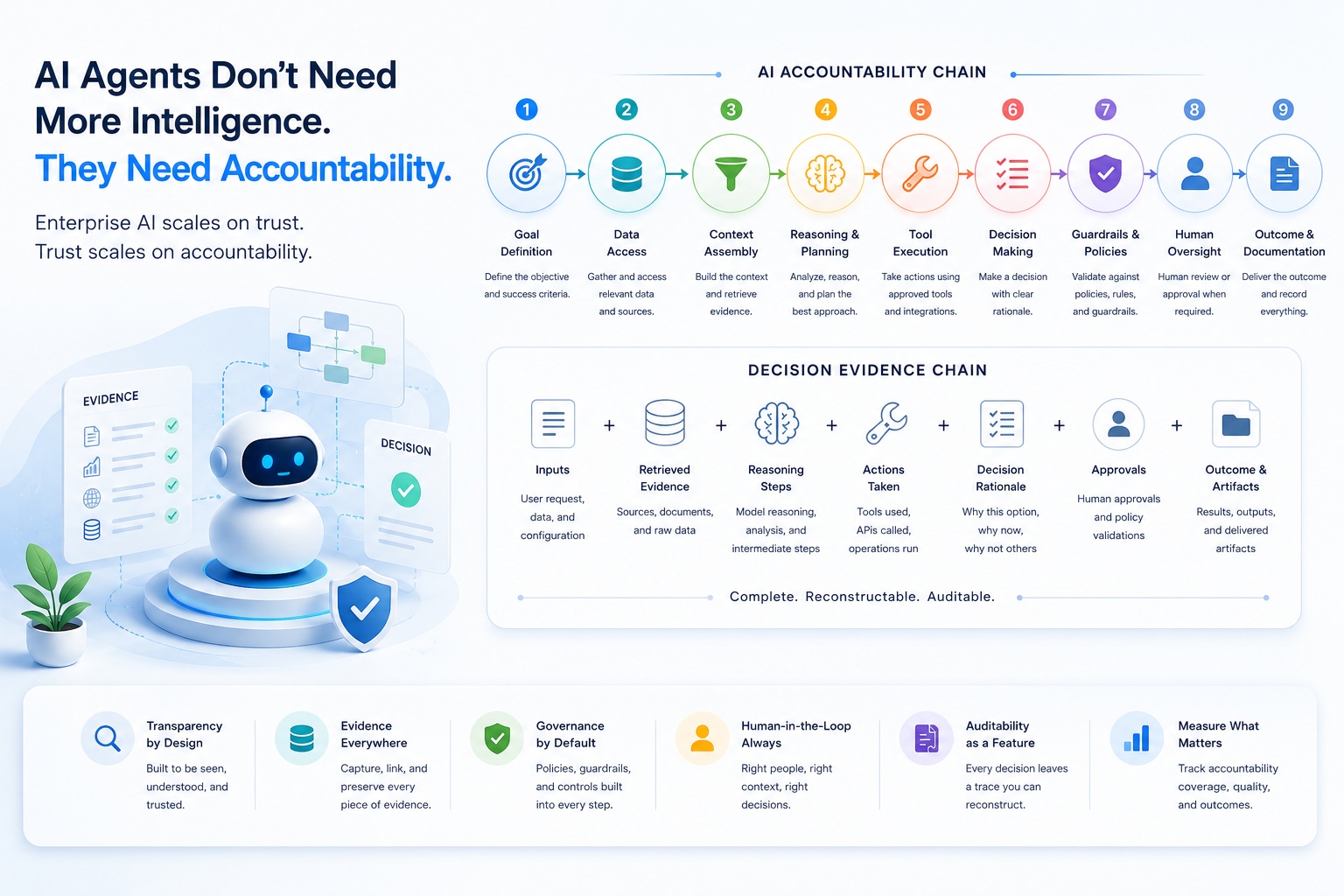
Every new generation of AI models becomes more capable, more autonomous, and more confident. Yet the biggest barrier to enterprise adoption is no longer model quality—it's accountability.
When an AI Agent approves a refund, selects a supplier, blocks a transaction, or makes any consequential decision, one question inevitably follows:
Can you prove why it happened?
Most organizations can't.
This article introduces Accountability Engineering—a practical engineering discipline for designing AI systems whose decisions can be reconstructed, audited, and defended long after they were made. You'll learn the AI Accountability Chain, the Decision Evidence Chain, and architectural patterns that help enterprise AI scale safely without sacrificing autonomy.
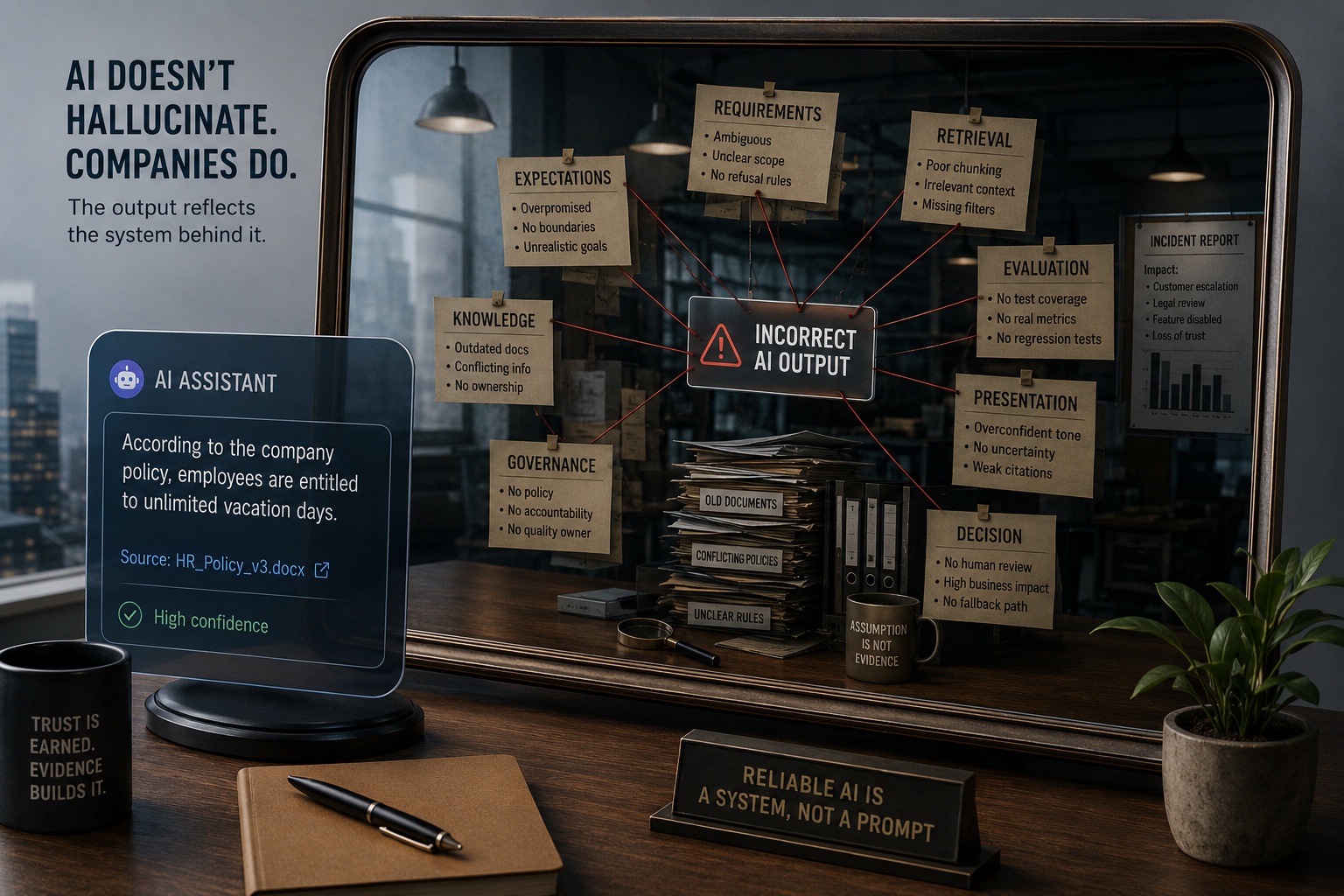
When an AI system hallucinates, the model is rarely the only reason. Unreliable AI often reflects weaknesses in product decisions, data quality, retrieval design, evaluation, and governance. Discover why trustworthy AI is built through engineering discipline—not by choosing a different model.

The most expensive engineer isn't the one with the highest salary. It's the one whose decisions quietly create technical debt, expensive rework, delayed releases, and business uncertainty. Discover why engineering systems—not individuals—determine long-term software success.
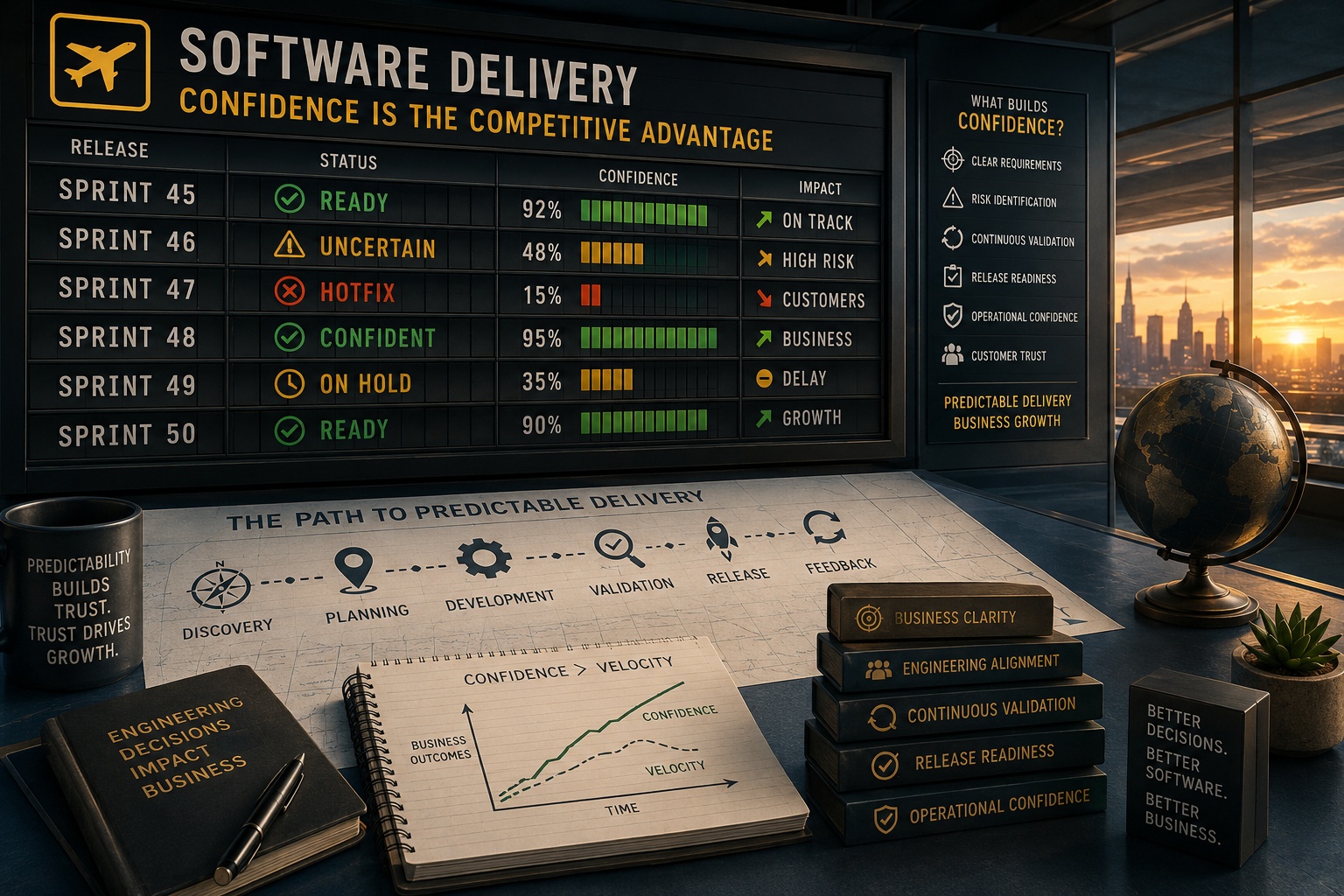
Fast software delivery means little without confidence. The most successful engineering teams don't compete by releasing more often—they compete by delivering predictable, reliable software that customers and businesses can trust. Learn why confidence has become one of the most valuable metrics in modern software engineering.
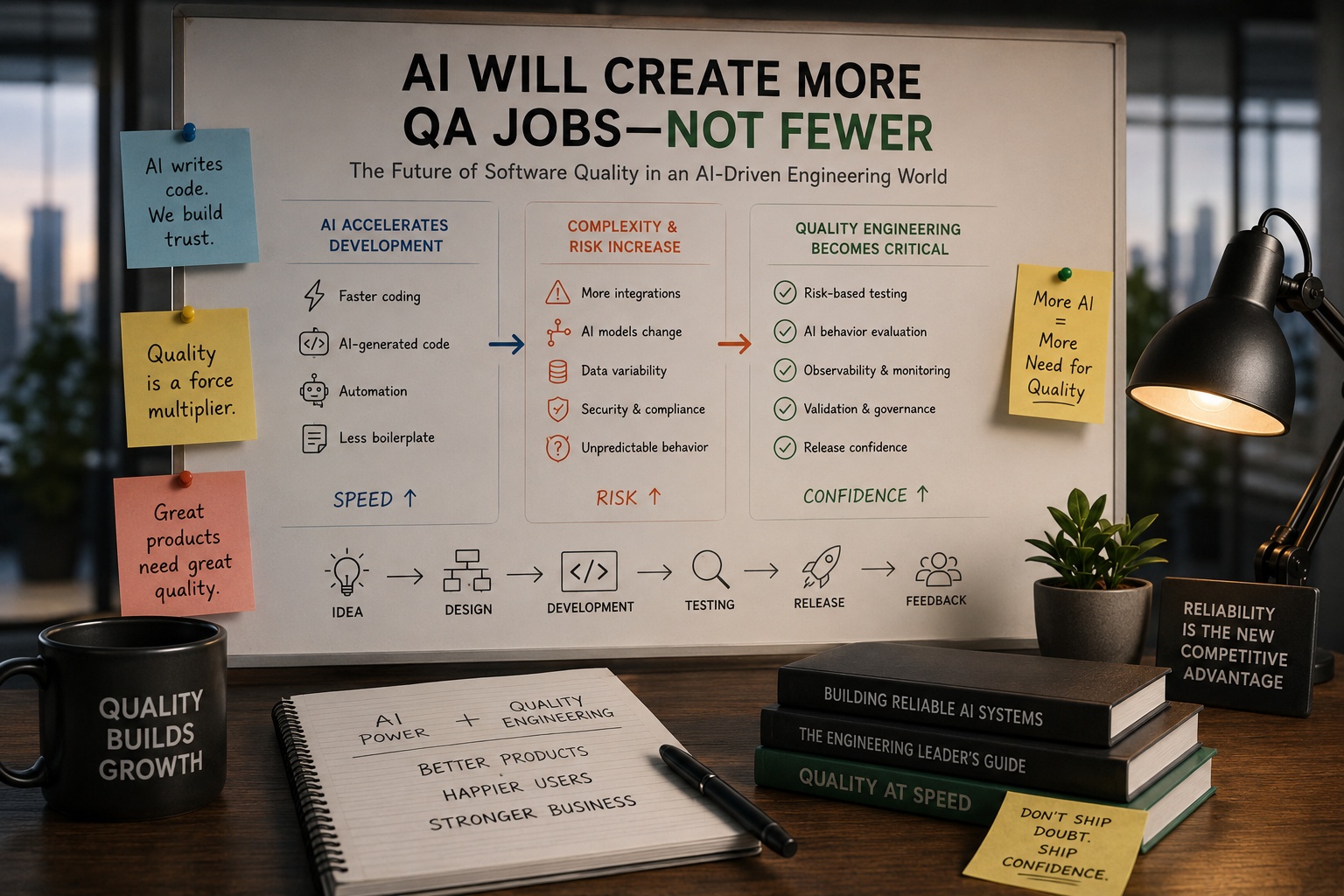
Artificial intelligence is transforming how software is built, but faster development doesn't automatically mean better software. As AI accelerates coding and increases system complexity, quality engineering becomes more important—not less. Discover why the future belongs to teams that combine AI-powered development with strong software quality practices.

The most expensive software bug is rarely introduced during development—it often begins with an overlooked decision made much earlier. Unclear requirements, missing acceptance criteria, and rushed planning can quietly create risks that surface only days before release. Discover why the most successful engineering teams treat quality as a product strategy, not just a testing activity.
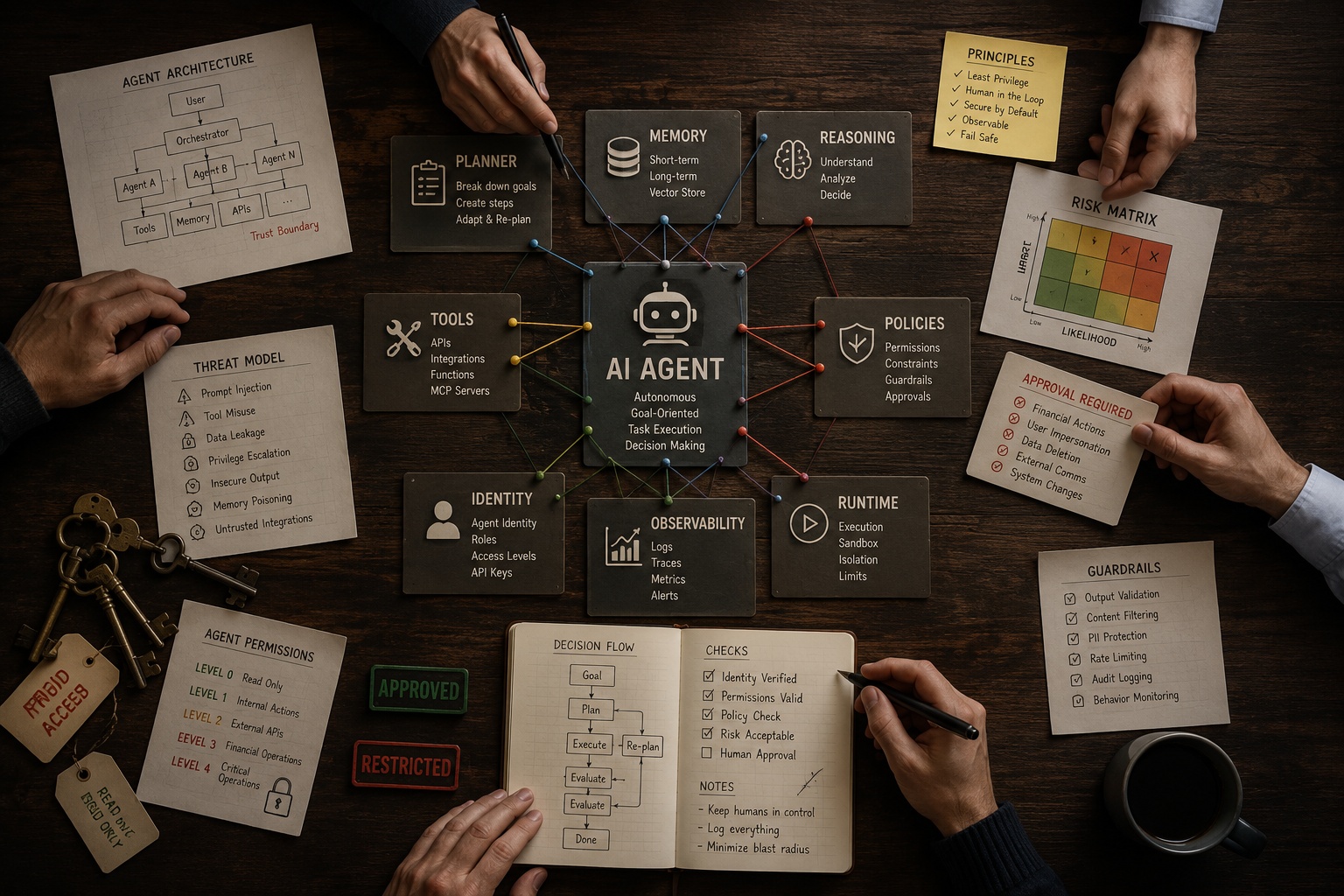
Autonomous AI agents are transforming enterprise software by moving beyond simple conversations to independent decision-making and task execution. As AI gains access to business systems, APIs, and critical workflows, organizations must rethink how they manage trust, permissions, governance, and operational control. This guide explores the engineering principles and architectural strategies required to build AI agents that are not only intelligent, but also secure, reliable, and ready for enterprise adoption.