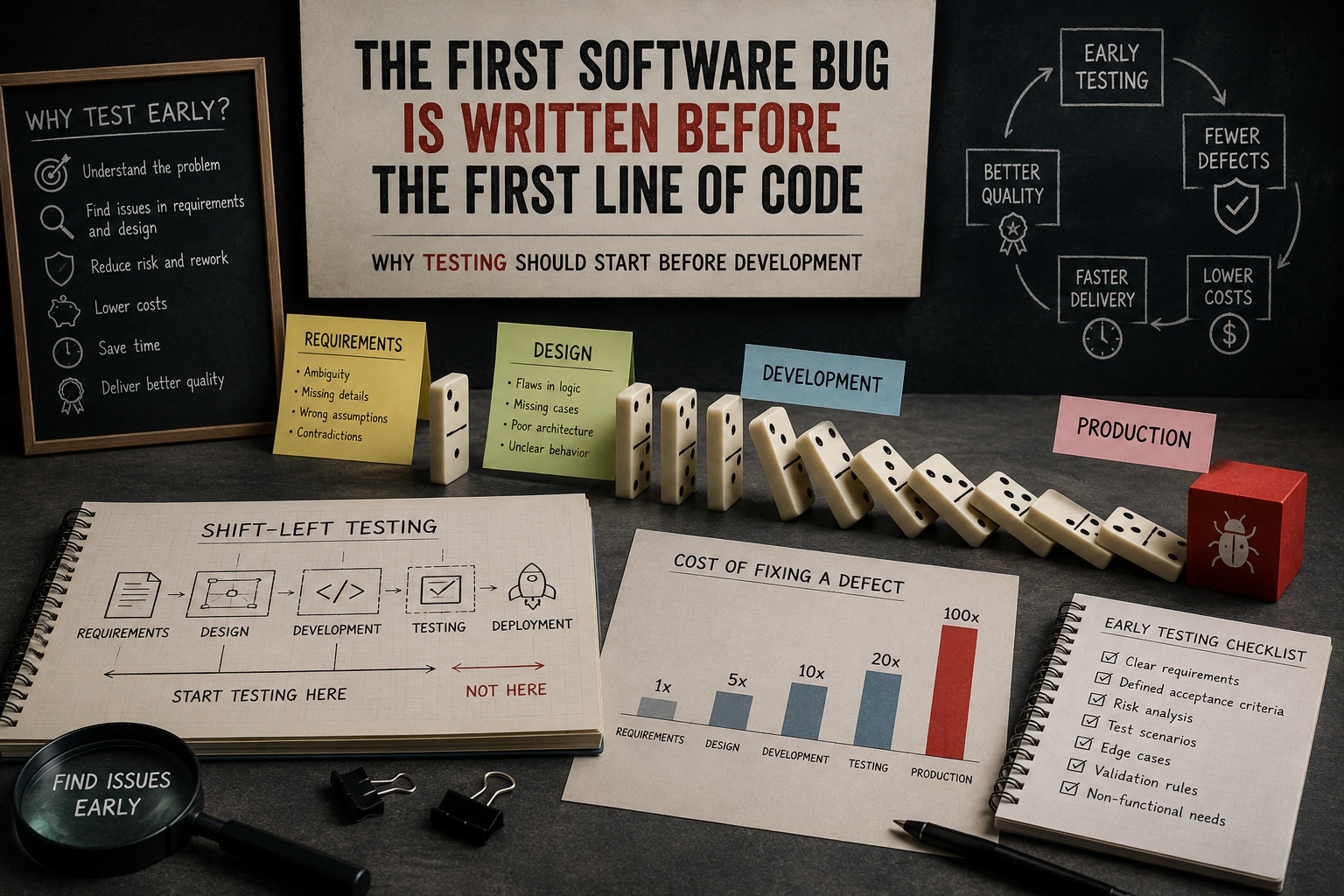
Every successful software product begins long before the first line of code is written. The decisions made during product discovery, requirement discussions, architectural planning, and stakeholder collaboration often determine the quality of the final application more than the implementation itself. When assumptions remain unchallenged and questions go unanswered, defects become part of the product before development even starts. This article explores why software quality is built through better thinking, stronger communication, and smarter decisions—not just through testing after development.
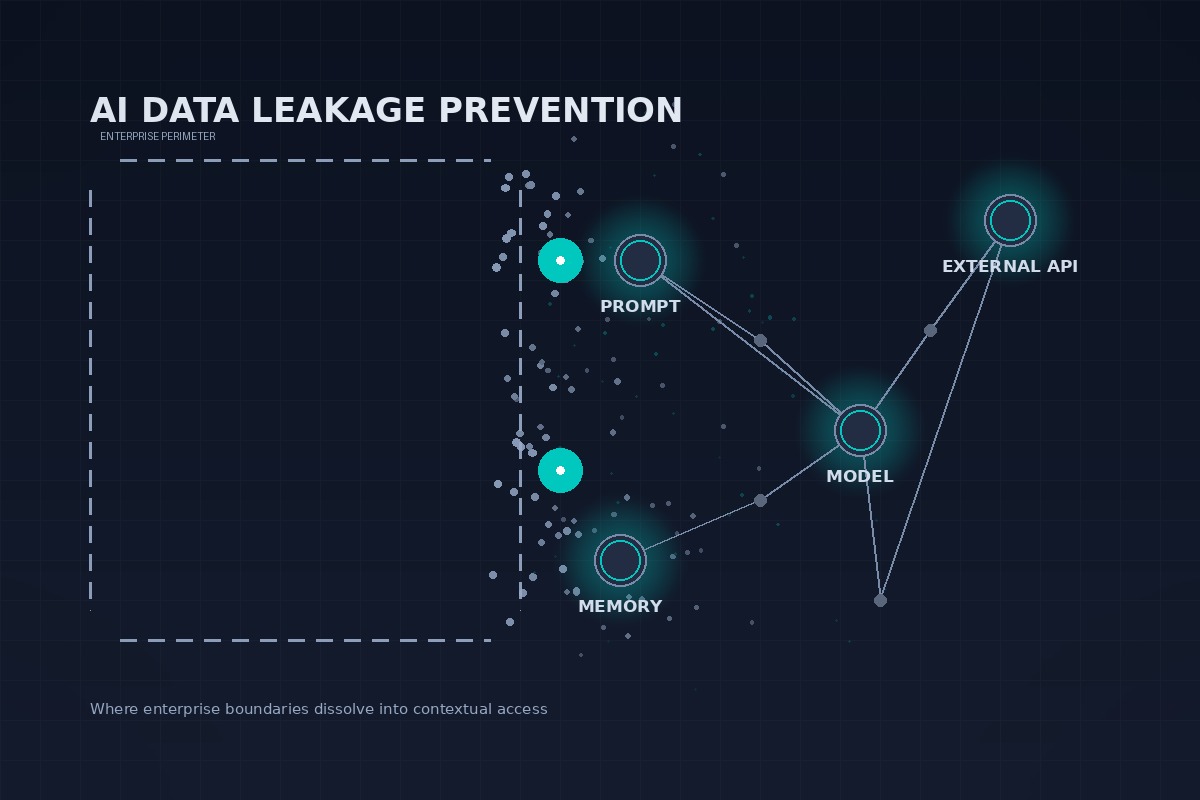
As organizations integrate AI into customer-facing products and internal business processes, protecting sensitive information has become more challenging than ever. Unlike traditional applications, AI systems process dynamic prompts, retrieve contextual knowledge, and generate responses that can unintentionally expose confidential data. Preventing AI data leakage requires more than conventional cybersecurity controls—it demands secure architecture, intelligent governance, and continuous protection throughout the AI lifecycle. This guide explores the strategies and best practices organizations need to safeguard enterprise data while building trustworthy AI-powered applications.
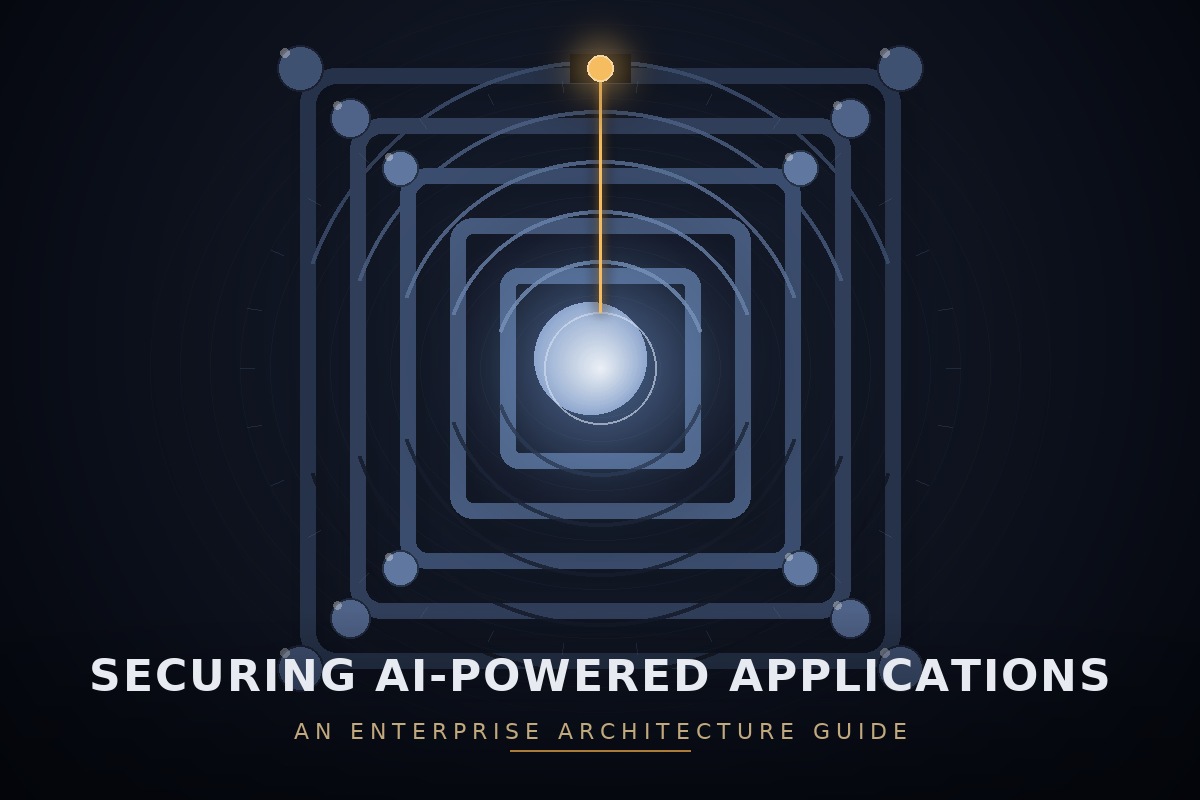
AI-powered applications introduce new security challenges that traditional software security practices were never designed to address. From prompt injection attacks and sensitive data leakage to insecure integrations and model misuse, organizations must rethink how they protect modern AI systems. Building secure AI applications requires a combination of robust architecture, continuous monitoring, governance, and proactive risk management. This guide explores the best practices for designing, deploying, and operating secure AI-powered applications that users and businesses can trust.
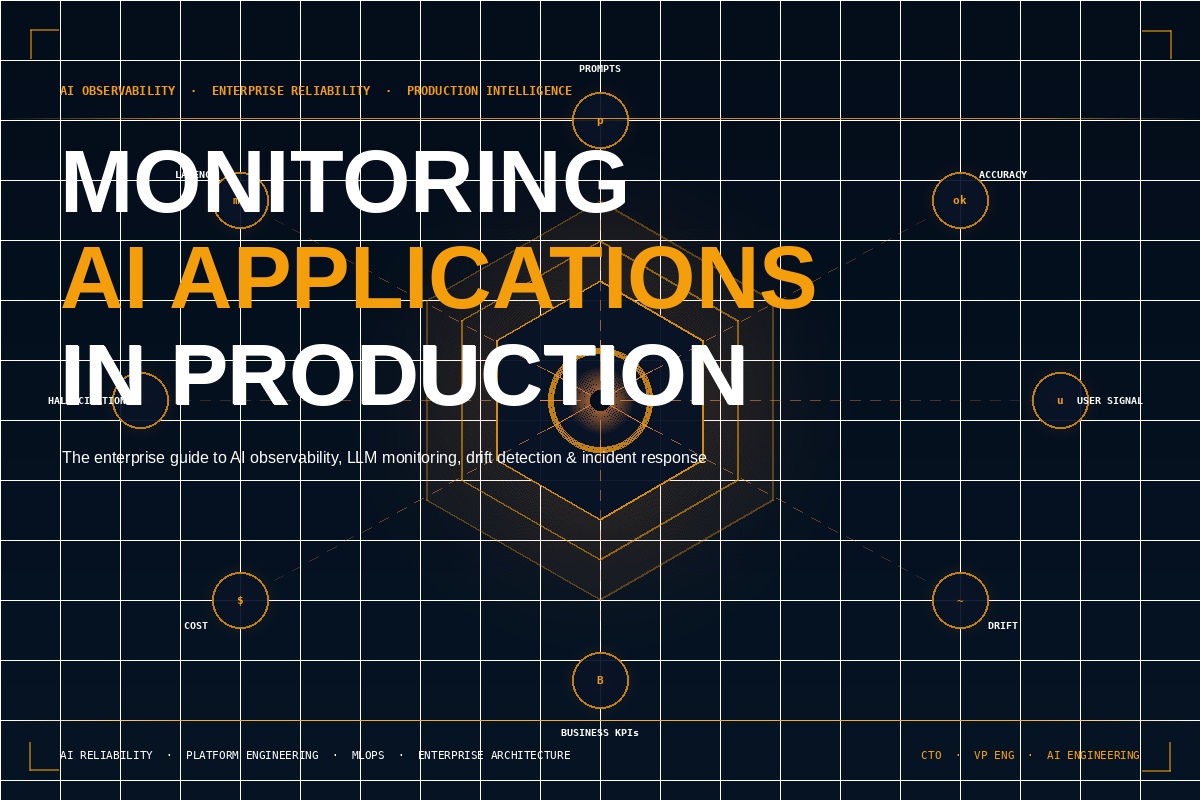
Deploying an AI application is only the beginning of its lifecycle. Without continuous monitoring, even high-performing AI models can experience hallucinations, model drift, rising costs, and declining response quality over time. AI observability provides engineering teams with the visibility needed to detect issues early, optimize performance, and maintain reliable production systems. This guide explores the best practices, metrics, and monitoring strategies for building trustworthy AI applications at scale.
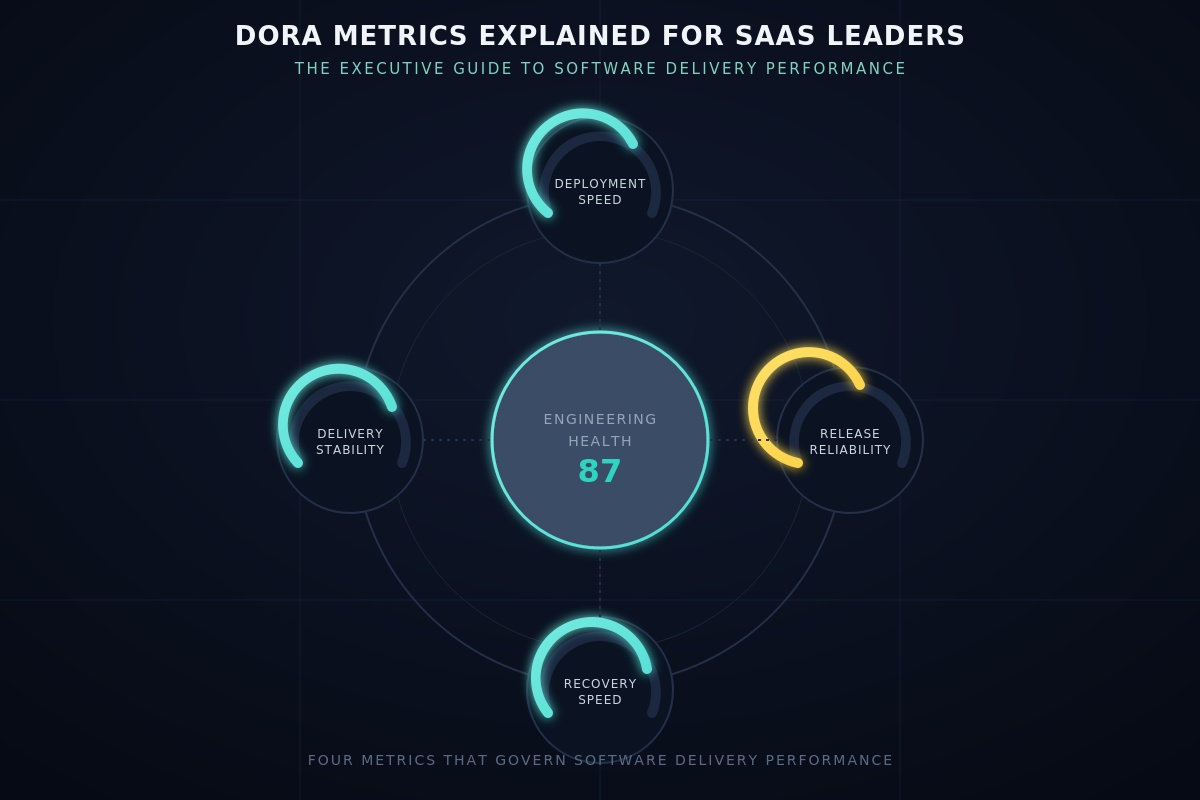
High-performing engineering teams don't rely on intuition—they rely on measurable performance. DORA Metrics have become the industry standard for evaluating software delivery speed, reliability, and operational excellence across modern DevOps organizations. By tracking deployment frequency, lead time, change failure rate, and mean time to recovery, engineering leaders can identify bottlenecks, reduce risk, and continuously improve software delivery. This guide explains how SaaS companies can use DORA Metrics to build faster, more reliable, and more scalable engineering organizations.
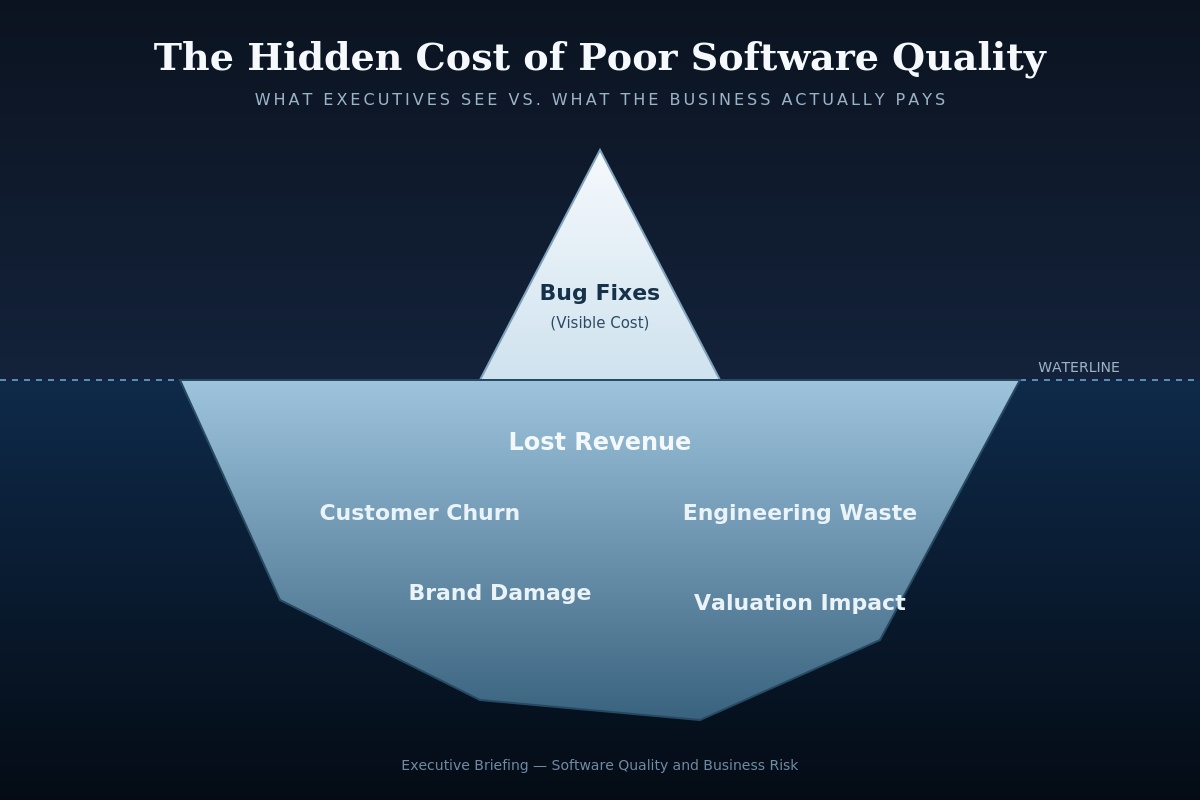
Poor software quality rarely shows its full cost on a development budget. Beyond fixing bugs, it can create hidden losses across customer support, engineering productivity, product delivery, customer retention, and brand trust. For fast-growing software companies, even a small production issue can trigger delays, churn, missed revenue, and long-term technical debt. This article explores the hidden business impact of poor software quality and explains why investing in QA is not just a technical decision, but a strategic growth decision.
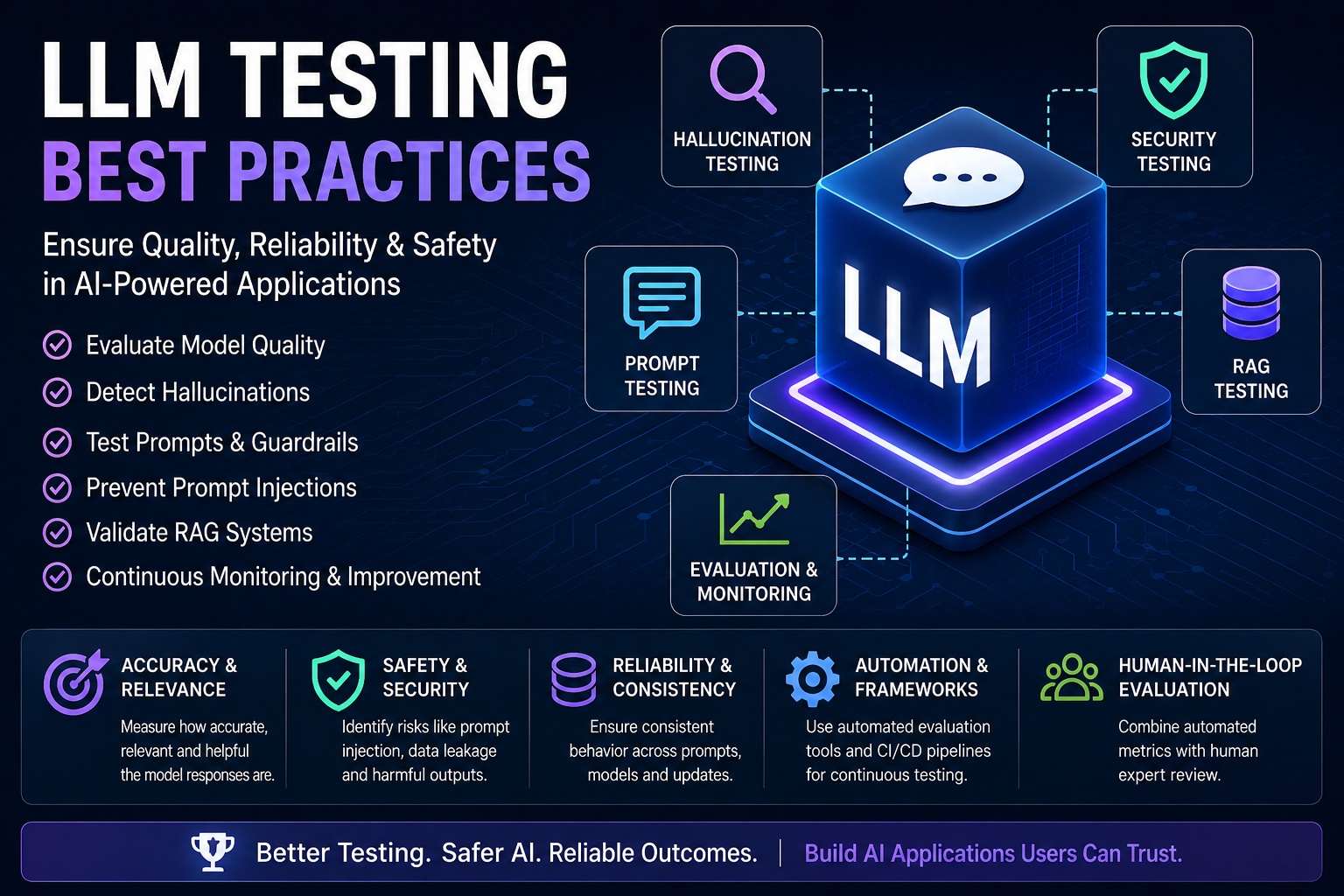
Large Language Models are transforming modern software, but testing AI-powered applications requires a completely different approach than traditional software testing. From hallucinations and prompt injection attacks to inconsistent outputs and security risks, LLMs introduce new challenges that every engineering team must address. This guide explores proven LLM testing best practices, evaluation frameworks, automation strategies, and quality metrics for building reliable AI applications. Whether you're developing AI-powered SaaS products, chatbots, or enterprise solutions, these insights will help you improve AI reliability, reduce production risks, and deliver a better user experience.
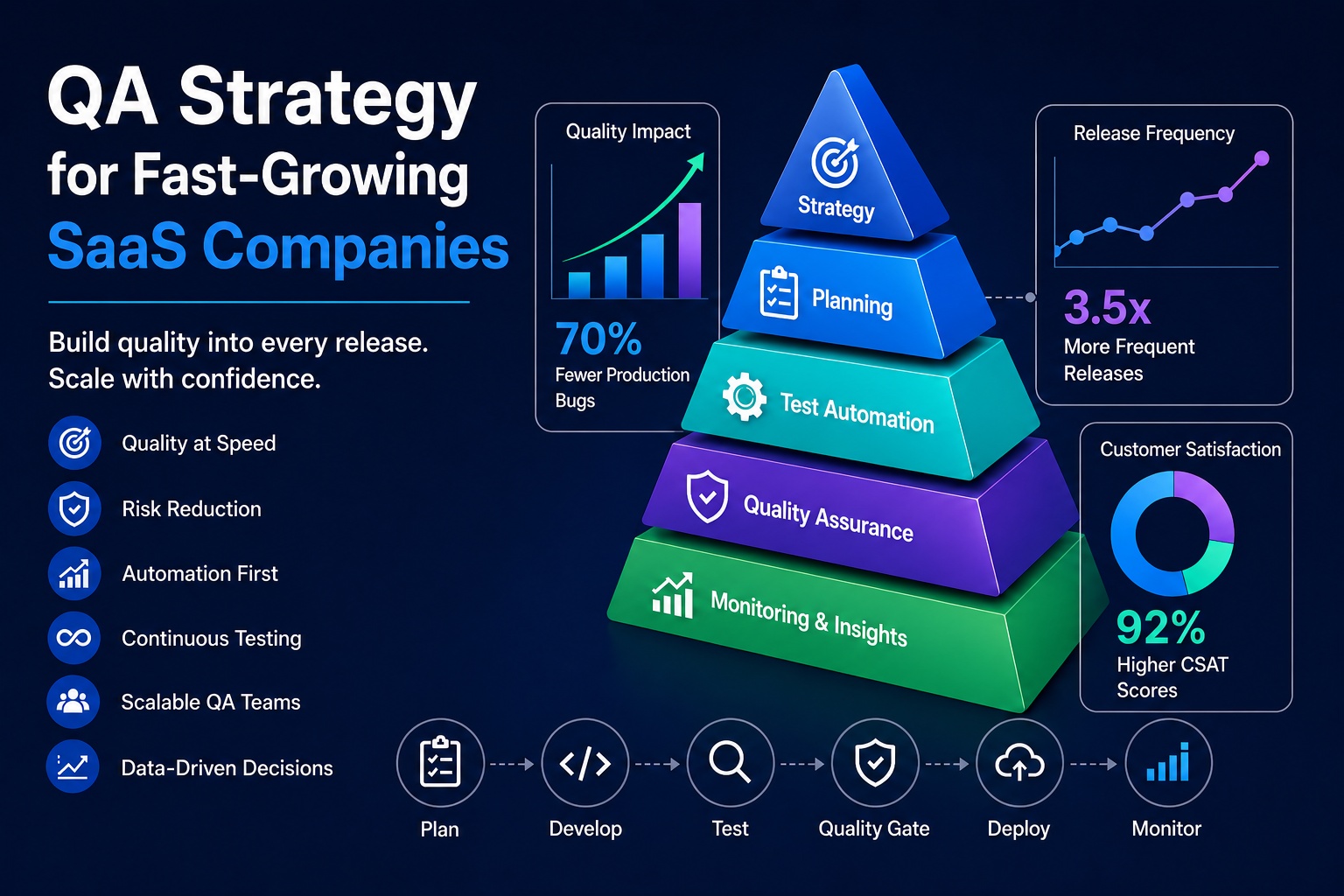
As SaaS companies grow, maintaining software quality becomes increasingly challenging. Faster release cycles, expanding development teams, and rising customer expectations require a structured and scalable QA strategy. Without the right quality assurance processes in place, businesses risk production issues, customer churn, and slower product growth. In this guide, we explore how fast-growing SaaS companies can build an effective QA strategy that supports scalability, reliability, and continuous delivery.
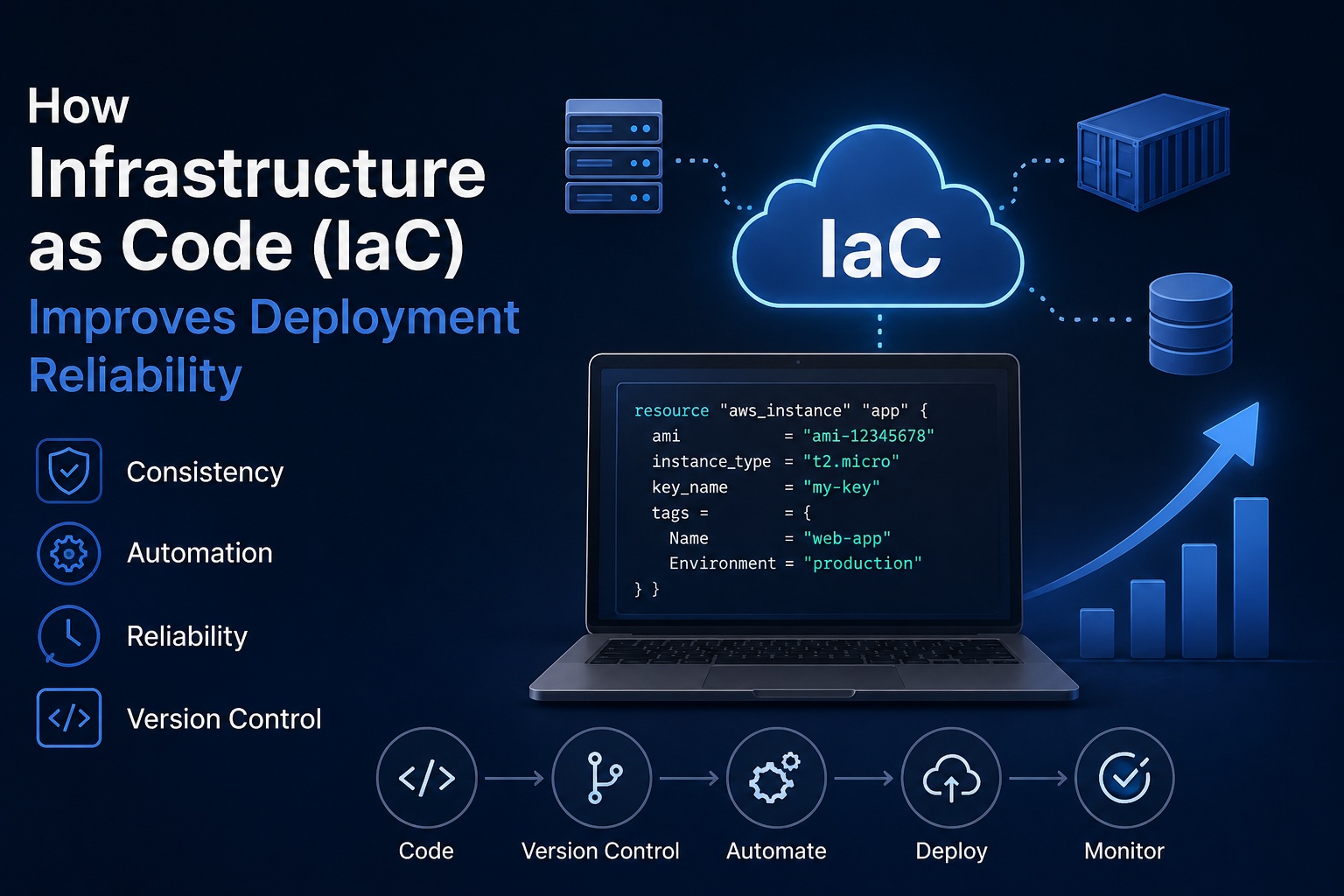
A deployment that works in staging but breaks in production usually isn't a people problem — it's what happens when infrastructure is managed by hand, with no single source of truth. Infrastructure as Code fixes this by treating infrastructure like application code: version-controlled, reviewed, and automated. This guide explains how IaC improves deployment reliability, compares Terraform, Ansible, and CloudFormation, and includes a real-world case study showing an 85% faster deployment cycle.
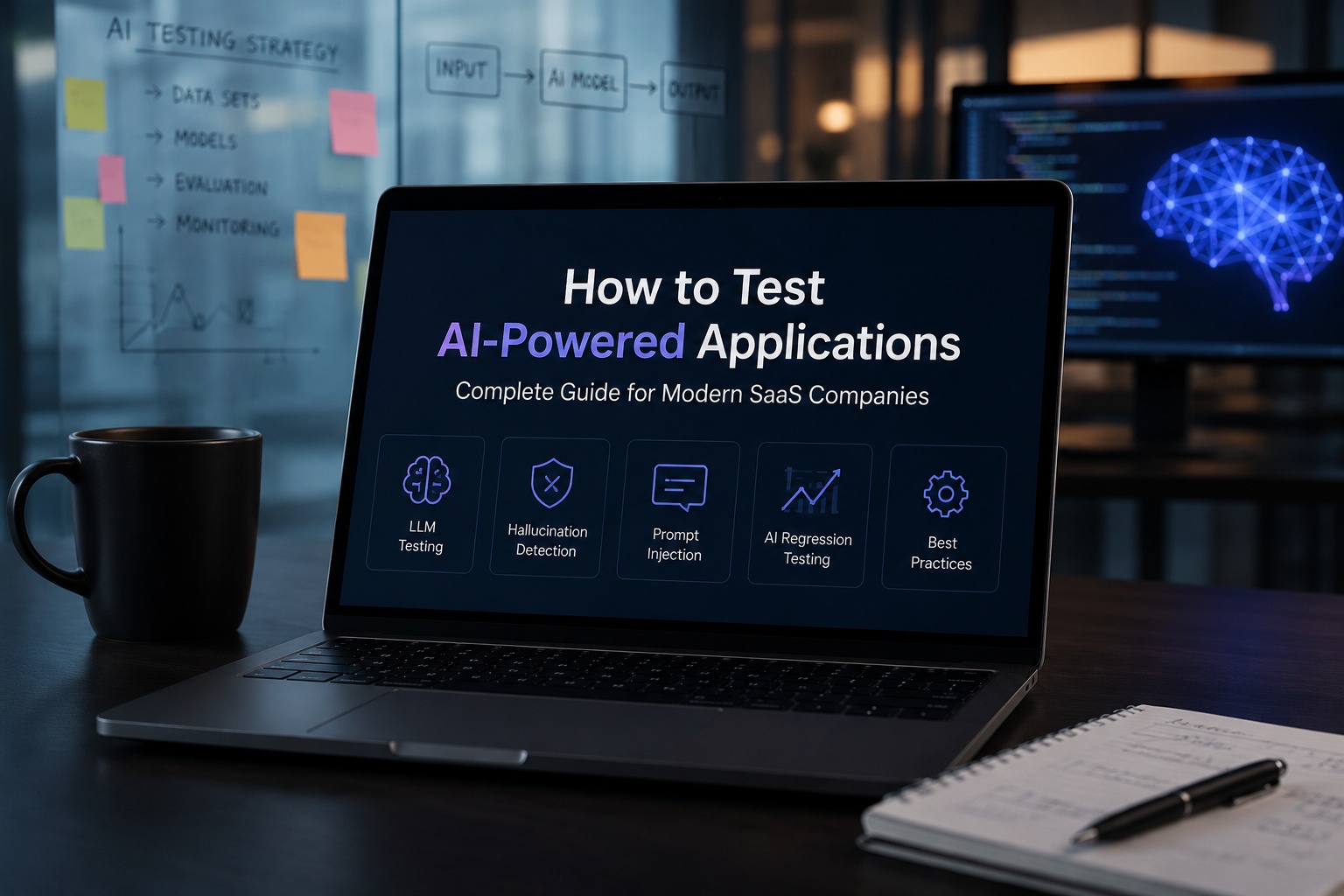
Testing AI-powered applications requires a fundamentally different mindset than traditional QA. Unlike deterministic software, AI systems produce non-deterministic outputs, can hallucinate, drift over time, and are vulnerable to unique security attacks like prompt injection. This guide covers every dimension of AI QA testing — from LLM evaluation and hallucination detection to security hardening and performance benchmarking — with practical frameworks SaaS teams can implement today.
Software bugs cost businesses worldwide an estimated $1.1 trillion in 2016, according to Tricentis. These numbers show why software testing services have become significant for modern businesses. Companies that implement complete testing strategies prevent costly errors and substantially boost their return on investment (ROI) in industries of all sizes.

In the ever-evolving IT industry, organizations regularly face challenges in meeting assignment closing dates, handling prices, or finding specialized expertise. Staff augmentation has emerged as a famous way to these issues. But how do you recognize if it’s the right technique on your commercial enterprise? In this article, we’ll discover key scenarios where body of workers augmentation can remedy your resourcing challenges.